 Deshwale
A Second Chance Is Not Enough: The Real Challenge Is Winning Back Trust
In brief · AI summary Rohit Sharma is returning as captain of Mumbai Indians for IPL 2027, after Hardik Pandya replaced him in December 2023 and the team finished tenth in 2024, reached the playoffs in 2025, and ended the 2026 season in ninth place. Sharma admitted that the team had been struggling and asked supporters to stand beside it during this difficult period. The article argues that a comeback depends on earning back people's trust through consistent actions, not simply on returning to a former position.
Everybody loves a success story. We celebrate people when they achieve something remarkable, businesses when they reach the top and sports teams when they lift trophies. But what happens when the applause fades, expectations are disappointed and the same people who once celebrated you begin to lose faith? That is when the real test begins.
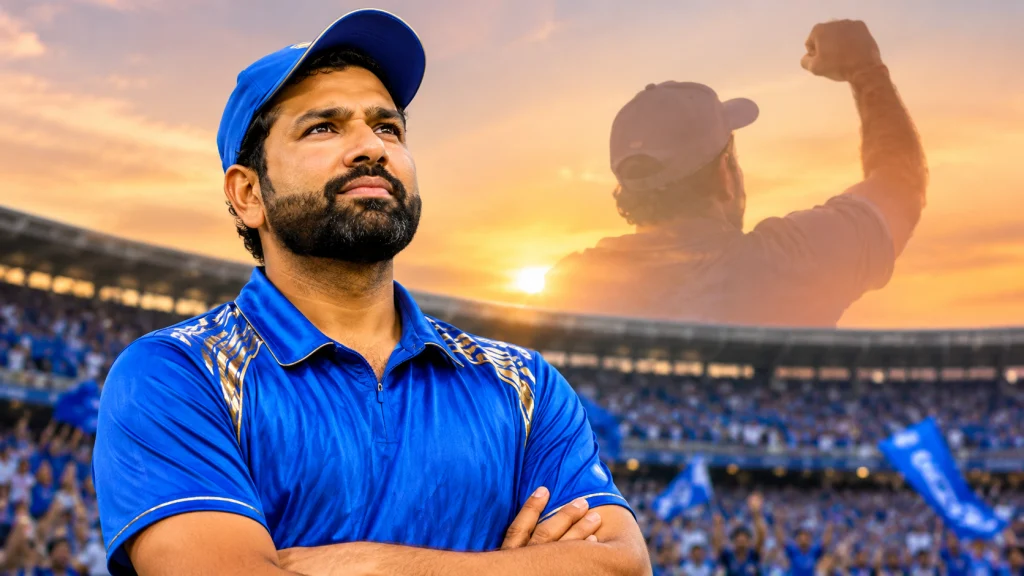
The return of Rohit Sharma as captain of Mumbai Indians for IPL 2027 offers an interesting lesson that goes far beyond cricket. After leading the franchise to five IPL titles, Sharma was replaced as captain by Hardik Pandya in December 2023. However, the change in leadership did not bring the expected results. Mumbai Indians finished tenth in 2024, reached the playoffs in 2025 and ended the 2026 season in ninth place. Now, Sharma is returning to lead a team that needs more than just victories. It needs to rebuild its confidence, rediscover its identity and reconnect with its supporters.
Reflecting on this difficult period, Sharma admitted that the entire team had been struggling. He acknowledged that several players were frustrated and that Mumbai Indians were no longer performing like the team people had known for years. Interestingly, he also accepted that the team had finished at the bottom in 2022, during his own captaincy. His comments showed that he was not looking to place the blame on one individual. Instead, he recognised that the responsibility for a team’s performance belongs to everyone.
His words raise an important question: Is making a comeback really about returning to the position you once held, or is it about earning back the confidence of people who once believed in you?
This question applies to almost every area of life.
Consider a business that has enjoyed years of success but suddenly begins losing customers. Its products may no longer attract the same attention, competitors may become stronger and customers may start looking elsewhere. Simply appointing a new manager or announcing a fresh strategy will not automatically restore its reputation. The organisation must understand what went wrong, improve its performance and give people a reason to trust it again.
The same happens in professional and personal life. A person who was once highly respected may make mistakes, experience setbacks or fail to meet expectations. Getting another opportunity may be possible, but regaining the confidence of others is often much harder. People may forgive a mistake, but they usually wait to see whether anything has genuinely changed.
This is where the difference between success and a meaningful comeback becomes clear. Success often brings recognition, appreciation and rewards. A comeback demands patience, honesty and the willingness to accept that something went wrong. It requires people to look beyond excuses and take responsibility for their actions.
Another important aspect of Sharma’s message was his appeal to Mumbai Indians supporters. He acknowledged that their faith had weakened and asked them to stand beside the team during this difficult period. He also described the Wankhede Stadium crowd as the team’s 12th man, recognising the important role supporters have played in the franchise’s journey.
We see a similar pattern in everyday relationships. People are happy to celebrate our achievements, but genuine support becomes particularly meaningful when we are struggling. A friend who stands beside us during a difficult phase, a family member who encourages us after a setback or a customer who gives a struggling business another chance can make a tremendous difference.
However, support should never be mistaken for an unlimited licence to repeat mistakes. Trust is a two-way relationship. Those who receive another chance must demonstrate through their actions that the faith placed in them is worthwhile. Words may bring people back temporarily, but consistent actions are what make them stay.
There is also an important lesson for anyone who has experienced failure. A difficult phase does not erase everything you have achieved in the past. But past achievements alone cannot guarantee future success either. What matters is the ability to learn, adapt and make a sincere effort to improve.
Rohit Sharma’s return as captain is an opportunity, not yet a proven comeback. Whether Mumbai Indians regain their old standing will depend on how the team performs in the coming season. But the larger lesson is worth remembering.
Getting another chance may open the door, but what we do after entering is what matters. Whether in sports, business or personal life, the real comeback begins when we stop depending on our past achievements and start earning people’s confidence through our present actions.
Subscribe Deshwale on YouTube