 Deshwale
Cataract Awareness Month: Symptoms, Causes, How to Protect Your Vision
In brief · AI summary Cataracts occur when the eye's lens becomes cloudy, causing symptoms such as blurry vision, trouble seeing at night, light sensitivity, faded colors, and more frequent needs for updated glasses. Cataracts are the leading cause of blindness worldwide, but they are treatable, usually with a simple surgery that can restore clear vision, often within hours. The article recommends wearing sunglasses that block UV rays, eating antioxidant-rich foods, quitting smoking, limiting alcohol, managing conditions like diabetes, and getting regular eye checkups.
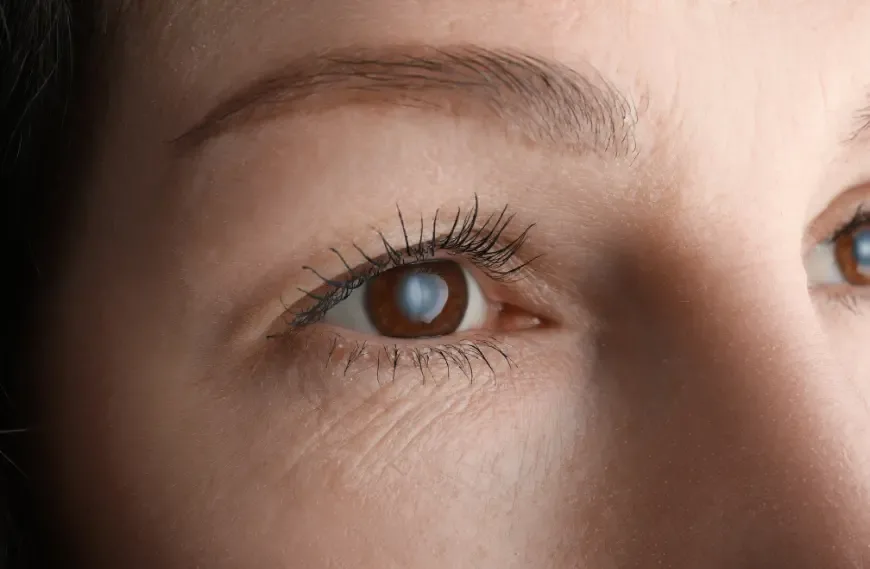
June marks Cataract Awareness Month, a perfect time to shine a light on a condition that affects millions of people around the world, often without them even realizing it at first.
Cataracts can sneak up slowly, gradually changing how you see the world. But here’s the good news: with the right care and attention, they don’t have to stand in the way of living life clearly and confidently.
Let’s talk about what cataracts really are, how they affect our vision, and what you can do to protect your sight.
What Exactly Is a Cataract?
A cataract happens when the lens inside your eye, the clear part that helps you focus, becomes cloudy. Imagine trying to see through a foggy window. That’s what living with a cataract can feel like.
At first, the changes might be subtle. But over time, you may notice things like:
- Blurry or hazy vision
- Difficulty seeing at night
- Sensitivity to light or glare
- Colors looking faded or more yellow
- Needing to update your glasses prescription more often
These changes can make daily activities like driving, reading, or recognizing faces much more difficult.
Cataracts: A Global Challenge
Cataracts are the leading cause of blindness worldwide. While they’re most common in older adults, they can affect people of all ages. Unfortunately, in many parts of the world, people go without treatment simply because they can’t access it or they don’t know it’s available.
But here’s a hopeful fact: cataracts are treatable. In most cases, a simple surgery can restore clear vision, often within hours.
So When Should You See an Eye Doctor?
It’s easy to chalk up vision changes to aging or tired eyes, but catching cataracts early can make a big difference.
You should consider making an eye appointment if:
- Night driving feels harder than it used to
- You need extra light to read or see clearly
- Watching TV or using a screen feels more difficult
- Your glasses no longer seem to help
Even if you’re not noticing symptoms, regular eye exams, especially after age 60, are key to catching issues early.
What Causes Cataracts and Can You Prevent Them?
While you can’t avoid every risk, you can take steps to protect your vision:
- Wear sunglasses that block UV rays
- Eat a diet rich in antioxidants such as leafy greens, berries, and carrots
- Quit smoking and limit alcohol
- Manage health conditions like diabetes
- Get regular eye checkups even if your vision seems fine
Busting Common Cataract Myths
There’s a lot of misinformation out there. Let’s clear up a few of the most common myths:
Myth: Cataracts grow on the surface of the eye
Truth: They actually develop inside the eye’s lens.
Myth: Eye drops can cure cataracts
Truth: Currently, surgery is the only effective treatment.
Myth: Only older people get cataracts
Truth: More young adults are being diagnosed than ever before.
Cataracts in Younger Adults: A Growing Trend
Not long ago, most people didn’t worry about cataracts until their 60s or 70s. But that’s changing. Doctors are now seeing cataracts in people in their 40s or even younger.
Why? Lifestyle and environmental factors may be at play. Things like long hours in front of screens, poor diet, more exposure to UV rays, and certain medications can all increase the risk. This shift is a strong reminder that eye health matters at every age, not just later in life.
Your Eyes Matter
Cataracts may be common, but they don’t have to be life-changing. With awareness, regular checkups, and the right treatment, clear vision is possible.
So this Cataract Awareness Month, take a moment to check in on your eye health or encourage a loved one to do the same. That eye exam you’ve been putting off? Maybe now’s the time.
After all, clear sight isn’t just about seeing. It’s about truly experiencing the world around you.