 Deshwale
Home Is Where the Code Is: India’s Digital Address Revolution
In brief · AI summary The Indian government plans to assign a unique Digital Address Code to every physical location in the country, led by the Department of Post, to create a standardised, verifiable digital identity for each address. The codes are intended to be GPS-linked and more precise than the current pin code system, which covers hundreds of addresses, and could be used across sectors such as logistics, emergency response, and banking. The project is in advanced planning, with internal tests underway and a possible first rollout in select urban centres before scaling to rural areas.
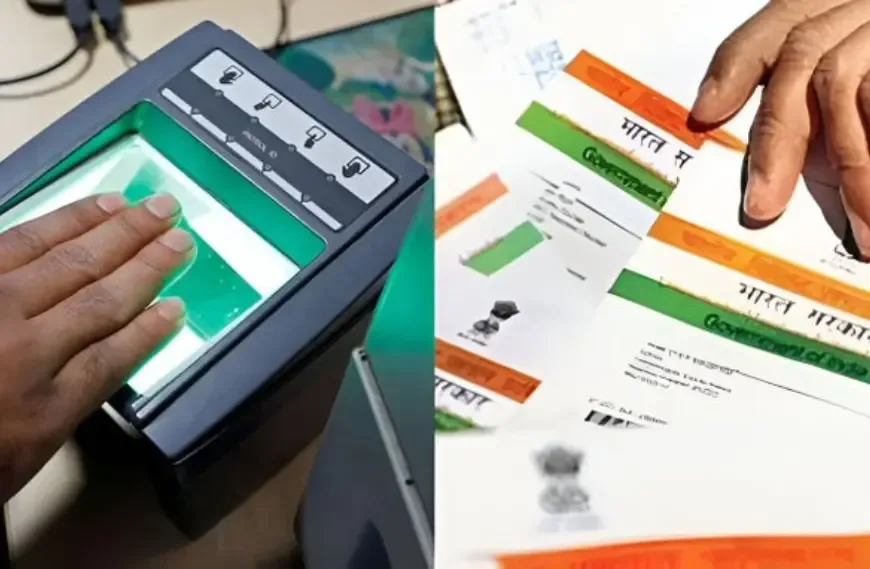
After Aadhaar and UPI, now your house gets a unique ID.
India’s digital transformation is set to take another major leap. After giving every citizen a unique Aadhaar number and enabling seamless payments through UPI, the government now plans to assign Digital Address Codes (DACs) to every physical location across the country.
This initiative, led by the Department of Post, aims to create a standardised, verifiable digital identity for every address — homes, offices, shops, institutions, and even public spaces.
What is a digital address code?
A DAC is a unique alphanumeric code linked to a specific geospatial coordinate. It will act as a permanent digital identifier for that location, just like Aadhaar does for people or UPI does for bank accounts.
The code will likely follow a format that combines state, district, pin code, and latitude-longitude data, making it searchable and machine-readable.
Why India needs digital address codes
India’s addressing system is messy and inconsistent. Misspellings, missing landmarks, duplicate street names, and vague directions are common. This affects:
- E-commerce deliveries
- Emergency response
- Postal efficiency
- Utility services
- Urban planning
With DACs, every building or plot gets an exact, GPS-linked ID. This helps map locations precisely, regardless of how locals describe the area.
From pin codes to precise points
India currently uses pin codes — a system introduced in 1972 — to sort mail. But pin codes can cover hundreds of addresses, offering only rough localisation. In contrast, DACs will pinpoint exact locations, even within housing societies or multi-storey buildings. The system is expected to follow international geospatial standards, enabling interoperability with digital maps and government records.
Pilot and future rollout
The project is in advanced planning stages, with internal tests already under way. DACs may be first introduced in select urban centres and rapidly scaled to rural areas, using postal data and satellite mapping.
Integration with Aadhaar, property databases, and municipal systems is likely. Officials are also exploring QR code stickers and app-based interfaces to share DACs easily.
Privacy and public access
Like Aadhaar, privacy safeguards will be built in. The DAC will not reveal ownership details unless linked with public records. Access levels may vary for public users, officials, or businesses.
Citizens will likely be able to claim, verify, or update their DACs through a digital portal or app.
Impact across sectors
DACs can improve logistics, tax mapping, land records, and disaster response. Ambulances, for instance, could reach exact locations without relying on local descriptions. Start-ups, especially in e-commerce, food delivery, and geolocation services, may benefit massively from DAC integration. Banks, insurance firms, and telecom companies can also use DACs for KYC, service eligibility, and fraud checks.