



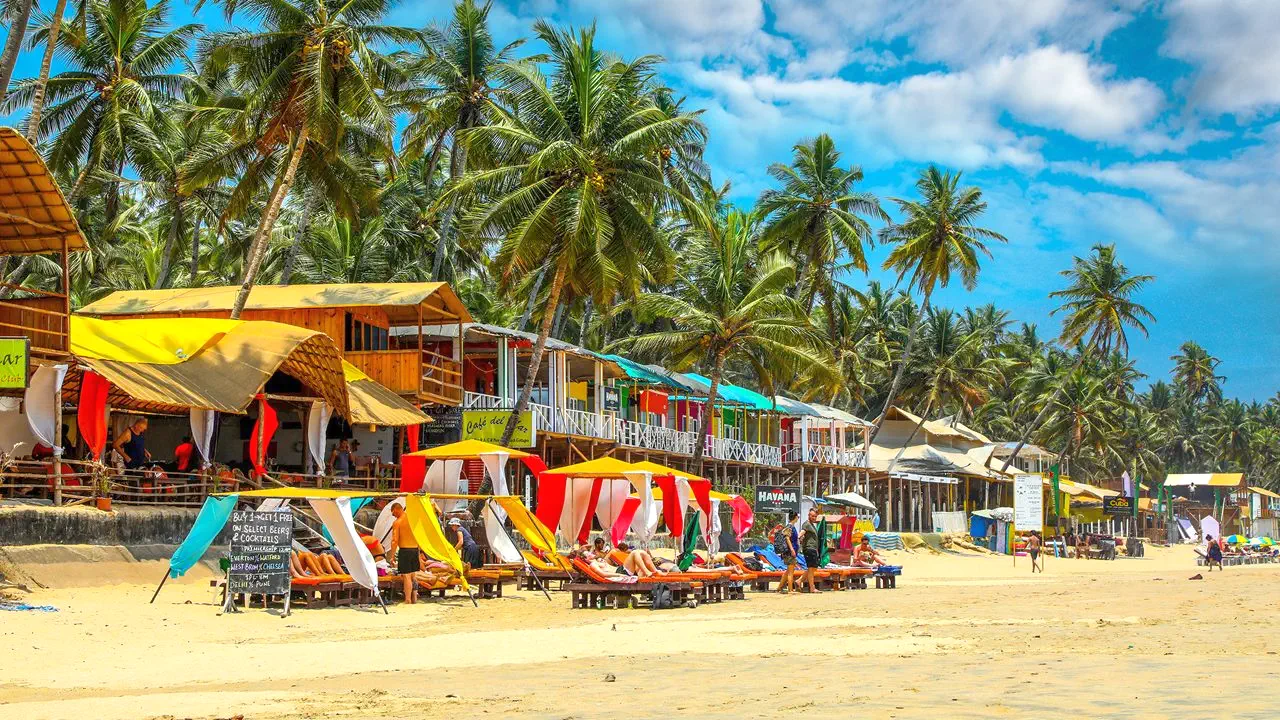
The golden beaches of Goa, lined with lively shacks, have long been an essential part of the state’s tourism experience. However, recent developments have shaken this beloved sector. The Goa Tourism Department has ordered the closure of 23 beach shacks following allegations of unauthorised subletting and policy violations. This decision has sparked widespread debate among locals, tourists, and industry stakeholders.
The Crackdown: What Went Wrong?
Under the Goa State Shack Policy (2023-2026), only unemployed Goans can operate these shacks, ensuring that the economic benefits stay within the local community. The government allocates licenses through a lottery system, distributing 361 shacks across North and South Goa. However, inspections revealed that several shack owners had violated the rules by subletting their businesses to non-Goans and external operators.
Some violations included:
- Payment systems registered under names not listed as original license holders.
- Unauthorized deck beds placed without proper licensing.
- Discrepancies in GST registration details.
The tourism department issued 110 show-cause notices to shack operators suspected of violations. After an investigation, 23 were found guilty and ordered to shut down within 15 days. Their licenses were revoked, and security deposits forfeited.
Impact on Tourism and Local Economy
For many tourists, beach shacks offer an affordable and authentic experience, unlike expensive restaurants and resorts. They are known for their fresh seafood, laid-back atmosphere, and stunning sunset views. Closing down these establishments, even temporarily, could disrupt tourism during peak season.
However, for local Goans, the issue runs deeper. Many rely on these shack businesses for their livelihood, and illegal subletting threatens their rightful opportunity. The government’s decision aims to protect local employment and maintain control over the industry.
What Happens Next?
With the deadline to dismantle the 23 shacks fast approaching, the affected shack owners have little choice but to comply. However, this crackdown is likely to spark further debates over how Goa’s tourism industry is regulated. The government might now face increased pressure to ensure transparency in shack allocations and prevent future violations.
As Goa’s tourism season picks up, visitors and locals alike will be watching closely to see how this decision shapes the state’s iconic beach culture. Will the government introduce stricter policies, or will tourism stakeholders find a middle ground to keep the shack tradition alive? Only time will tell.
