



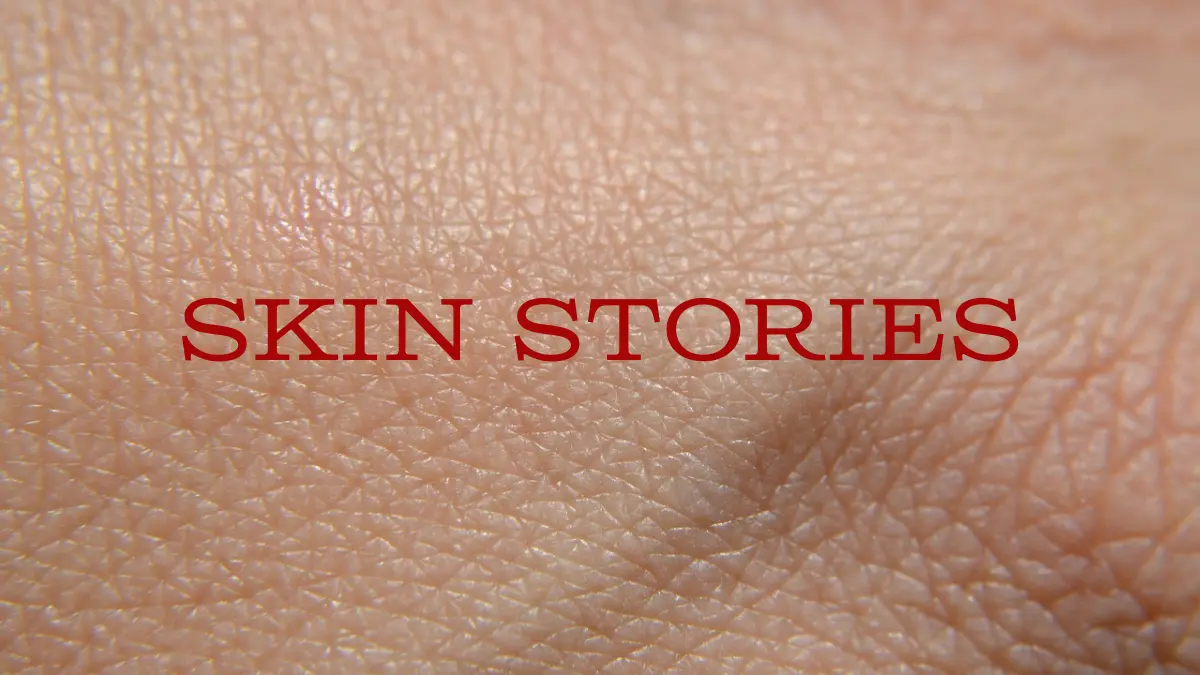
The skin is often taken for granted, yet it is the first line of defence, the largest organ, and a silent communicator of our health and emotions. Every touch, every shiver, and every warm embrace begins here. More than just a covering, skin is alive. It shields us, senses our surroundings, heals itself, and reflects our inner well-being.
Layers of Strength and Protection
The skin is made up of three essential layers, each with a distinct purpose. The outermost layer, the epidermis, acts as a barrier against harmful elements while continuously renewing itself by shedding dead cells. Beneath it lies the dermis, rich in collagen and elastin, which lends the skin its strength and elasticity. The deepest layer, known as the hypodermis, stores energy and provides insulation.
Sweat glands help regulate body temperature, while sebaceous glands release natural oils to keep the surface soft and resilient. Together, these layers and systems form a remarkable ecosystem built for protection and survival.
A Network of Sensation
Our skin is a finely tuned sensory organ, equipped with specialised receptors. Meissner’s corpuscles respond to gentle touches, while Pacinian corpuscles detect deeper pressure. Thermoreceptors measure changes in temperature, and nociceptors signal pain to warn us of danger. Thanks to this complex network, the skin allows us to experience the softness of fabric, the heat of a summer day, or the warmth of a caring hug.
The Miracle of Healing
When the skin is injured, it sets in motion an intricate repair process. Clotting quickly stops the bleeding, inflammation defends against microbes, new cells grow to close the wound, and tissue gradually restores its strength. Few organs can regenerate with such efficiency. However, persistent wounds, such as diabetic ulcers, still pose significant challenges. Research into stem cell treatments and improved skin grafting methods offers new hope in this area.
The Story Behind Skin Colour
Human skin colour is an evolutionary masterpiece. Darker tones evolved to protect against ultraviolet damage and preserve essential nutrients like folate. Lighter tones developed in regions with less sunlight, helping the body produce enough vitamin D. Despite this, society has often used skin colour as a basis for prejudice. Science has made it clear: race is a social idea, not a biological one. Our skin differences are only surface-level adaptations to the environment.
More Than a Covering
Skin reflects who we are and how we express ourselves. Tattoos, piercings, and makeup have long been part of human culture, while henna art celebrates life’s special moments in many traditions. Blushing may reveal shyness or affection, and certain conditions such as vitiligo or psoriasis can affect confidence and mental health. Healthy skin supports not just physical wellness but also emotional balance.
The Invisible Shield: Skin Microbiome
Billions of microbes live on the skin, forming a protective microbiome. These microscopic allies strengthen the immune system and keep harmful invaders at bay. Excessive use of harsh soaps or antibiotics can disrupt this balance, leading to infections or chronic conditions like eczema.
Caring for Skin Through the Years
As we age, exposure to sunlight gradually breaks down collagen, leading to fine lines and age spots. Daily sun protection remains one of the most effective ways to keep skin youthful. Adequate sleep, balanced nutrition, and proper hydration also play vital roles in maintaining its resilience.
More Than Skin Deep
Skin is far from a simple covering. It is a boundary that guards us and a bridge that connects us to the world. It allows us to feel, to heal, and to express our identity. Caring for it is not only an act of self-preservation but also an appreciation of this remarkable, living organ.
