 Deshwale
Japan’s Walking Craze: Steps to Fitness and Zen!
In brief · AI summary Walking is a cultural cornerstone in Japan, from the namba walk used by samurai, which faded in the Meiji era but survives in martial arts, to today's city commuting and rural trails. Interval Walking Training, which alternates three minutes of brisk walking with three minutes of strolling for 30-60 minutes, is a popular modern fitness method that the article says boosts heart health, lowers blood pressure, and strengthens muscles. The article also notes that Tokyo residents average 7km of walking daily.
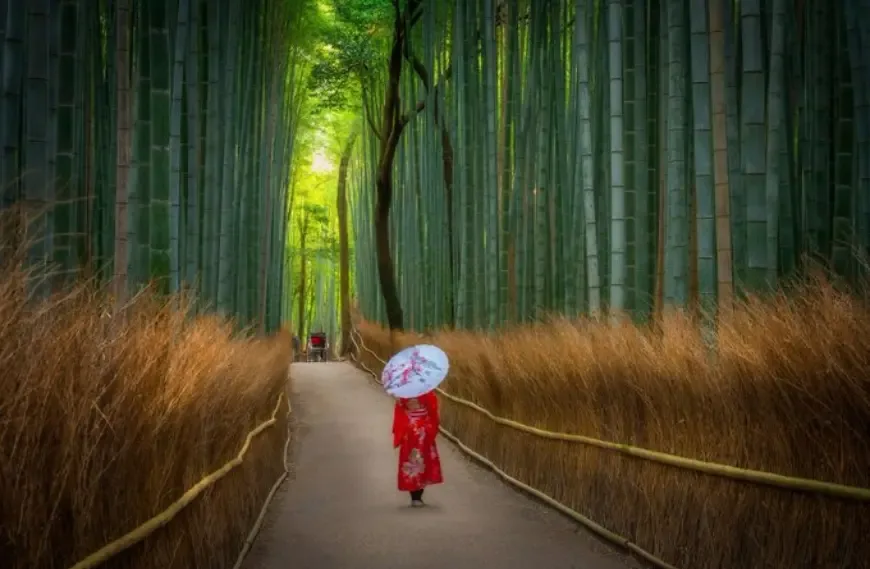
Japan moves on foot. Walking is more than transport. It’s a cultural cornerstone. From ancient samurai strides to modern fitness trends, walking shapes Japanese life. Cities pulse with pedestrians. Rural paths offer serenity. New techniques like interval walking boost health. This article explores Japan’s walking culture, its history, and its modern evolution.
A historical stride: The Namba Walk
Centuries ago, walking was deliberate. Parents taught children the namba walk. This style synced the right arm and leg forward. The left followed suit. Unlike global norms, where opposite limbs move together, namba was unique. Scholars say it was widespread until 150 years ago. It reflected Japan’s regimented society. Samurai used it for efficiency. Short strides kept balance. The tanden, or lower abdomen, led each step. This minimised fatigue over long distances.
The namba faded in the Meiji era (1868-1912). Western military marching arrived. Samurai struggled to adapt. Modern walking, with heel strikes and arm swings, took over. Today, namba is rare but lives in martial arts. Experts like William Reed teach it. His Reed-Style Namba Walking blends tradition with health benefits. It promotes balance and clarity.
Walking as a way of life
Japan’s cities are built for walking. Tokyo residents average 7km daily. Wide sidewalks and crosswalks abound. Parks invite strolls. Urban design nudges movement. Public transport demands walking too. Commuters often trek to stations. This “incidental exercise” keeps metabolism high. It’s low-impact, stress-free fitness.
Rural Japan offers tranquil paths. The Zen Temple Trail is a highlight. Ancient trees line stone steps. Temples nestle in forests. Walkers find peace and wisdom. The Nakasendo Trail, an Edo-era route, connects Kyoto and Tokyo. Post towns like Magome charm hikers. These paths blend history and mindfulness.
Walking tours thrive. Walk Japan, a pioneer since 1992, offers off-beat routes. Tourists discover culture and nature. Guides share local stories. Onsen baths reward weary feet. This slow travel fosters connection. It’s Japan’s ethos in motion: unhurried, mindful steps.
Interval walking: Japan’s fitness revolution
Japan leads in longevity. Obesity rates are low at 4.3%. Gym culture is minimal. Walking drives fitness. Interval Walking Training (IWT) is a game-changer. Developed for older adults, it alternates fast and slow paces. A typical session involves three minutes of brisk walking, then three minutes of strolling. Repeat for 30-60 minutes. It’s simple yet effective.
IWT boosts heart health. It lowers blood pressure. It strengthens muscles. Studies show better glucose control and leg strength. Unlike 10,000-step goals, IWT maximises benefits in less time. Dr. Saurabh Sethi praises its simplicity. Anyone can start, from kids to seniors. No tools are needed. Even heart patients can join with precautions.
Social media buzzes with IWT. Posts on X call it “Japanese Walking.” It’s trending for weight loss and mood lifts. Beginners are advised to start small. Wear proper shoes. Pick a daily time. Consistency is key.
Cultural Nuances in walking
Walking carries etiquette. In Tokyo, escalators demand standing on the left. Osaka prefers the right. This Kanto-Kansai rivalry confuses visitors. Watch locals to blend in.
Footwear matters too. Geta clogs evoke nostalgia. Their “karan koron” sound signals festivals. Maiko wear high okobo sandals. These keep kimonos clean. Jikatabi boots aid farmers. Shoes mark transitions. Homes require slippers. Toilets need special ones. Barefoot rules indoors preserve cleanliness.
Some quirks persist. Young women may walk with toes inward. It’s seen as cute, especially in kimonos. In formal settings, women trail men slightly. Empresses step behind emperors. Daily life is more equal.
Walking for mind and soul
Walking is meditative. It’s not just exercise. Japan’s culture embeds mindfulness. Strolls clear the mind. They connect body and nature. The Zen Temple Trail offers spiritual calm. Each step feels like prayer.
Schools once pushed extreme walks. Otawara High’s 85km kyoho trek tested resilience. Safety concerns cut it to 35km in 2025. Yet, the spirit of “spartan and sturdy” endures.
The future of japanese walking
Japan’s walking culture evolves. IWT gains global fans. Urban designs prioritise pedestrians. Trails like Nakasendo draw tourists. Namba walking may see a revival. It’s eco-friendly and healthy. As transport shifts, walking remains vital. It links Japan’s past and future.
Japan walks with purpose. From samurai to city commuters, steps tell stories. Interval walking adds science to tradition. Lace up, step out, and join the journey.