 Deshwale
Lutetium Lifeline: Jaslok Saves ‘Untreatable’ Prostate Cancer Patient
In brief · AI summary A 66-year-old man with terminal prostate cancer that had spread to his bone marrow, and a platelet count of just 7,000, was treated with lutetium therapy at Jaslok Hospital in Mumbai, a first of its kind in India. After two cycles, his PSA levels fell from over 100 to under 1, and he no longer needs platelet transfusions and has resumed his daily activities.
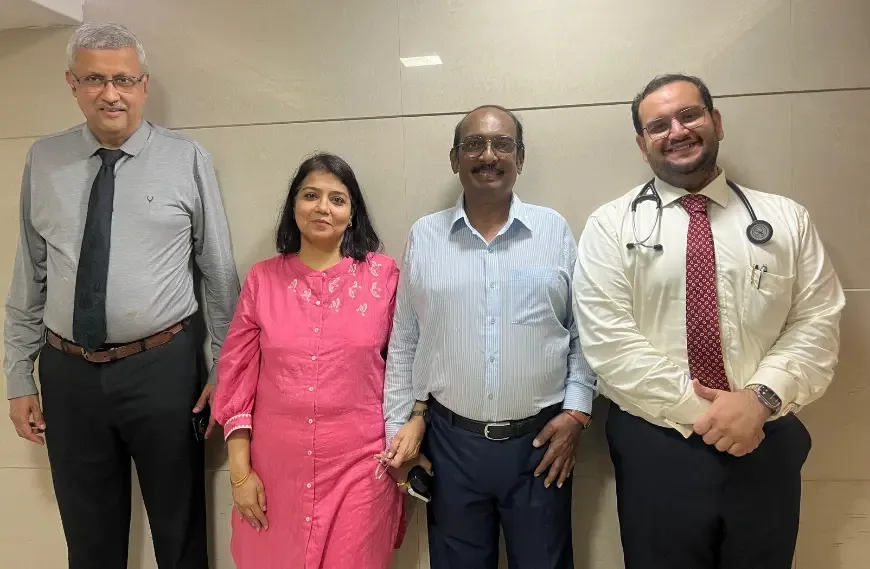
Jaslok Hospital breaks medical barriers with nuclear therapy in a high-risk case
Jaslok Hospital & Research Centre in Mumbai has pulled off a medical feat by successfully treating a terminal prostate cancer patient using lutetium therapy, even with a critically low platelet count of just 7,000. This first-of-its-kind intervention in India marks a major milestone in advanced cancer care.
The 66-year-old patient had exhausted nearly all conventional treatment options. His disease had spread aggressively to the bone marrow, affecting blood cell production. His condition required constant blood transfusions, and doctors elsewhere advised only palliative care.
But at Jaslok, doctors saw a glimmer of hope.
Therapy against the odds
Led by oncologist Dr Jeyhan Dhabhar and nuclear medicine expert Dr Vikram Lele, the Jaslok team opted for a daring and innovative approach. Typically, lutetium therapy is not given if platelet counts fall below 50,000. This patient had 7,000. Yet, with calculated risk and round-the-clock care, the doctors stabilised his health through transfusions and support therapies.
“Treating someone with such a low count was unheard of,” said Dr Dhabhar. “We explained every detail to the patient. He knew it was a leap of faith—but a well-planned one.”
Dr Lele added, “We didn’t just apply textbook rules—we redefined them. It shows how personalised care and innovation can give hope where none exists.”
A story of recovery
The patient has now received two cycles of lutetium therapy. His PSA levels—a key indicator of prostate cancer—dropped from over 100 to under 1. Even more impressive, he no longer needs platelet transfusions and has returned to his regular daily activities.
Dr Milind Khadke, Chief Medical Officer, praised the team’s determination. “This wasn’t just about medicine. It was about standing firm when others had stepped back. That’s Jaslok’s spirit.”
A new chapter in cancer care
For the patient, this has been nothing short of life-changing. “I was written off by many,” said Vinay Vaidya. “But Jaslok gave me more than treatment. They gave me my life back.”
This landmark case highlights how pushing medical boundaries can change outcomes—especially when patients, technology, and trust come together.