 Deshwale
A Step Toward Ending Preventable Deaths: How Maldives is Leading the Way
In brief · AI summary Maldives has become the first country in the world to eliminate mother-to-child transmission of hepatitis B, following earlier successes against HIV and syphilis. The achievement rests on nearly universal antenatal screening and treatment, timely newborn vaccinations, and healthcare access for all residents, including migrants. The article presents it as proof that similar results can be reached elsewhere with political will, public health investment, and community engagement.
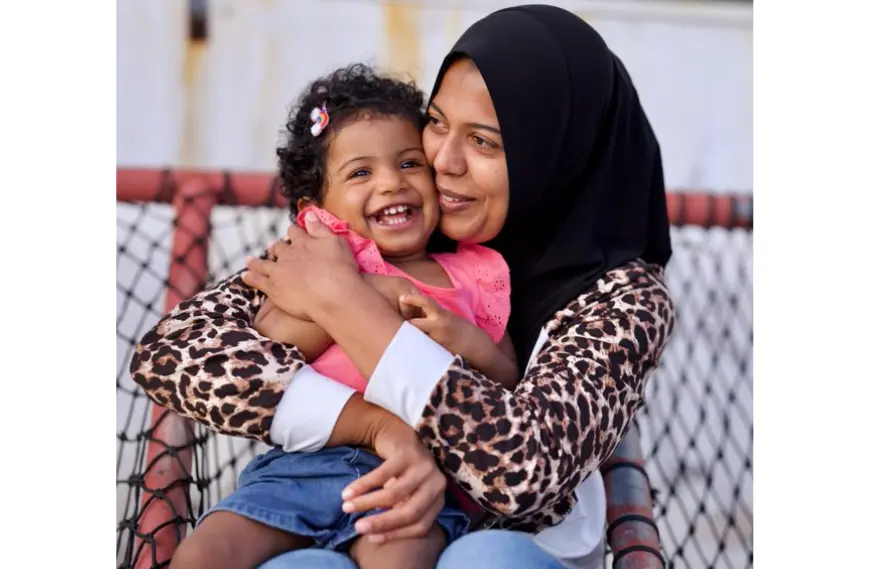
In a world where preventable infections still claim the lives of thousands of newborns and mothers each year, Maldives has achieved something extraordinary. The island nation has become the first country in the world to eliminate mother-to-child transmission of hepatitis B, joining its earlier successes against HIV and syphilis. This historic achievement is more than a health milestone it is a beacon of hope in the global fight to end preventable maternal and infant deaths.
Mother-to-child transmission of infectious diseases has long been a silent crisis. In many countries, babies are born vulnerable to infections that could have been prevented with timely interventions. Maldives’ success story proves that with commitment, planning, and access to healthcare, these preventable deaths can be dramatically reduced, if not eliminated.
The key to Maldives’ success lies in its comprehensive healthcare system. Nearly every pregnant woman in the country receives antenatal care, where she is screened for hepatitis B and other infections. Expectant mothers identified with infections are given appropriate treatment, and newborns receive timely vaccinations crucial steps that prevent transmission at birth. These measures, backed by strong government support and international guidance, have created a system where the health of both mother and child is safeguarded.
Equally important is the inclusive approach adopted by the Maldives. Healthcare is available to all residents, including migrants, ensuring that no child is left at risk. This universal access is a lesson in health equity preventable deaths are reduced not just through medical interventions, but by making care accessible to everyone.
The impact of this achievement goes beyond the islands of Maldives. It sends a powerful message to countries across the globe: ending preventable maternal and infant deaths is possible. With the right combination of political will, public health investment, and community engagement, similar successes can be replicated worldwide.
For global health advocates, UN agencies, and NGOs focused on child mortality, Maldives’ accomplishment is a source of inspiration. It demonstrates that focused action, guided by data and human compassion, can transform lives. Every mother who gives birth safely, and every child who starts life healthy, is a testament to what we can achieve when preventable deaths are no longer accepted as inevitable.
Maldives has taken a bold step forward, proving that with dedication and innovation, the dream of a world where no child dies from preventable infections can become a reality.