



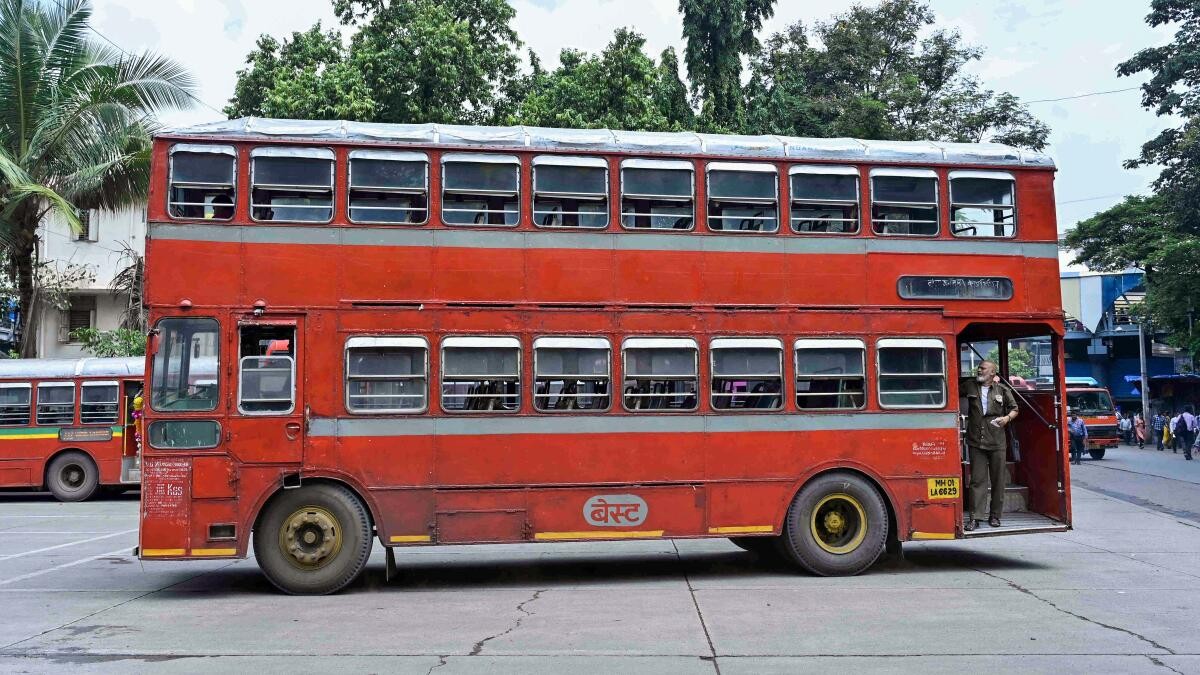
For generations of Mumbaikars, the sight of a red double-decker bus moving through the busy streets of the city has been more than just a mode of transport. It has been a symbol of Mumbai’s fast-paced life, everyday struggles and unforgettable memories.
Introduced in Mumbai during the British era, double-decker buses became an important part of the city’s public transport system. The first double-decker buses started operating in Mumbai in 1926, allowing more passengers to travel while using less road space. Over the years, these buses became one of the most recognisable symbols of the city.
Operated by the Brihanmumbai Electric Supply and Transport (BEST), the iconic red buses connected different parts of Mumbai and became a daily companion for thousands of commuters. From office-goers rushing to work to students travelling to colleges, the upper deck of these buses offered passengers a unique view of the city’s streets.
For many Mumbaikars, sitting on the front seat of the upper deck was an experience in itself. Watching the city pass by from above, crossing busy roads and seeing Mumbai’s changing skyline created memories that many still cherish.
The popularity of double-decker buses grew as Mumbai expanded. They became especially useful on crowded routes where passenger demand was high. Their design allowed more people to travel without increasing the number of buses on already congested roads.
However, over the years, changing infrastructure, rising maintenance costs and the introduction of modern buses led to a decline in the number of traditional double-decker buses. The older diesel-powered buses gradually started disappearing from Mumbai’s roads.
In 2023, BEST retired its last non-air-conditioned diesel double-decker buses, marking the end of an era for many Mumbaikars. The decision left many nostalgic passengers remembering their daily journeys on the iconic red buses.
But the legacy of Mumbai’s double-decker buses did not disappear completely. To continue this heritage, BEST introduced electric double-decker buses with modern features while keeping the classic design alive. These new buses offer better comfort, are environment-friendly and continue the connection between Mumbai’s past and future.
Beyond transportation, double-decker buses have been a part of Mumbai’s cultural identity. They have appeared in films, photographs and stories that capture the spirit of the city. For many residents, these buses represent a simpler Mumbai — a city where journeys were slower, conversations happened with strangers and everyday travel became a memorable experience.
Today, Mumbai’s double-decker buses stand as a reminder of the city’s evolution. While the roads, buildings and lifestyles have changed, the emotional connection people share with these buses continues to remain strong.
The double-decker bus was never just a vehicle. It was a moving piece of Mumbai’s history, carrying millions of stories along its routes.
Subscribe Deshwale on YouTube
