



Mumbai is facing a growing but often overlooked healthcare crisis. A severe shortage of skin donations is making it difficult for doctors to treat patients with serious burn injuries. For many of these patients, skin transplants are not just a medical procedure but a lifeline. However, the gap between demand and availability continues to widen.
At the centre of this concern is the National Burns Centre, which has raised repeated alarms about the situation. The organisation has been actively running awareness campaigns, yet the response remains limited.
According to available estimates, Mumbai is currently able to meet only around 25 percent of its annual requirement for donated skin. This means that a large number of patients do not receive timely treatment. The consequences are often severe, leading to prolonged suffering, complications, and in some cases, loss of life.
What makes the situation even more distressing is the age group most affected. Nearly 70 percent of burn victims fall between the ages of 15 and 35. These are individuals in the most active and productive years of their lives. A burn injury at this stage not only impacts their health but also their future, families, and livelihoods.
Medical experts say that the problem is not a lack of willingness, but a lack of awareness. Many people are still unaware that skin donation is possible after death. Unlike organ donation, it does not require complex procedures. In fact, skin can be donated within six hours after death, making timely consent from families extremely important.
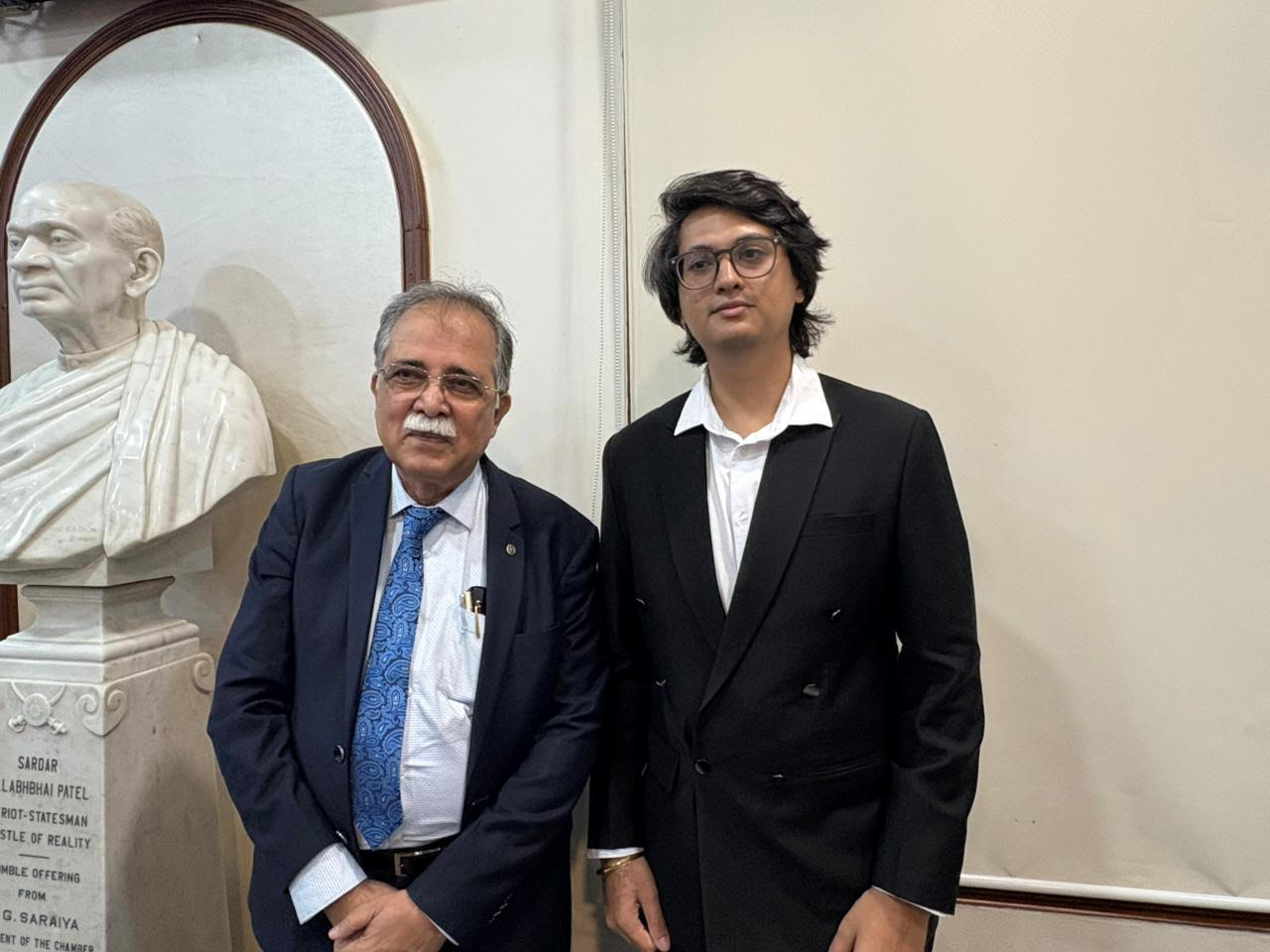
Dr. Sunil Keswani, Director and Plastic Surgeon at the National Burns Centre, has repeatedly highlighted this gap. He points out that despite conducting hundreds of awareness programmes each year, misconceptions continue to hold people back. According to him, skin donation is one of the simplest ways to save lives, yet it remains one of the least understood.
Stories of survivors underline the importance of this cause. Burn survivor Viraj Thakur recalls how timely treatment and access to donated skin played a crucial role in his recovery. His experience reflects the difference that one donation can make. A single donor can help treat multiple patients, offering them a chance to heal and rebuild their lives.
The process itself is respectful and does not disfigure the body, a concern that often discourages families. Medical teams carefully remove a thin layer of skin, usually from the back or thighs, ensuring that the dignity of the donor is maintained. The donated skin is then preserved and used for grafting in burn cases.
Despite these facts, the shortage continues. Experts believe that greater public awareness, along with community participation, is the only way forward. Conversations around skin donation need to become more open and informed.
Mumbai’s situation reflects a larger national challenge. While medical infrastructure continues to improve, the lack of donors remains a critical bottleneck. Bridging this gap requires not just institutional efforts but also individual action.
In the end, skin donation is more than a medical act. It is a gesture of humanity. One decision, taken at the right time, can give someone else a second chance at life.
Subscribe Deshwale on YouTube
