



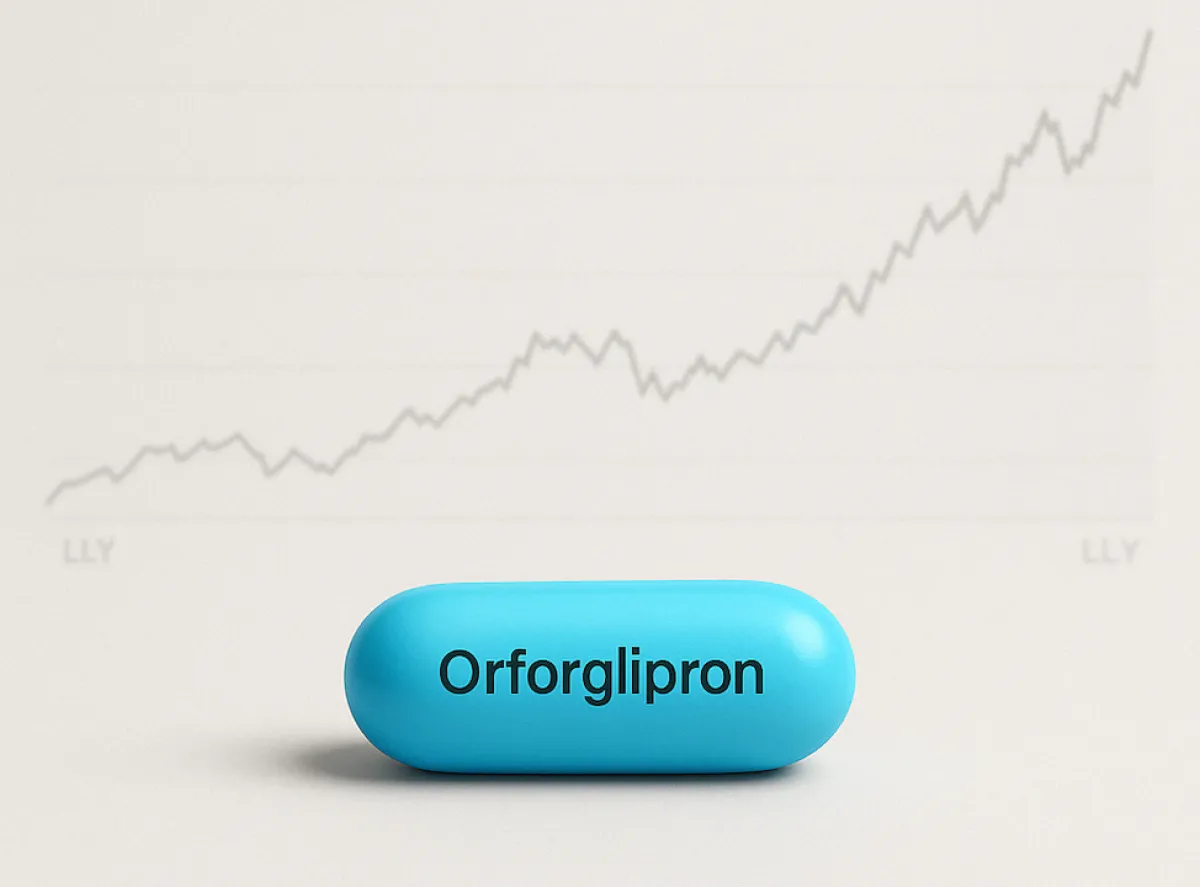
In the ever-evolving world of chronic disease management, a quiet revolution is brewing. Eli Lilly, the pharmaceutical powerhouse already celebrated for its injectable weight loss and diabetes drug tirzepatide (Mounjaro/Zepbound), is now placing its bets on orforglipron—a once-daily pill that could turn the tide against obesity and type 2 diabetes. Unlike the needle-based treatments dominating the market, orforglipron offers a simpler, more accessible option, sparking hope for millions worldwide. With Pfizer’s recent stumbles in the oral GLP-1 race, Lilly’s latest innovation is stealing the spotlight. But what makes this pill so special, and can it truly live up to the hype? Let’s dive into the science, the promise, and the challenges ahead.
The Rise of GLP-1: A Game-Changer Goes Oral
The past decade has seen GLP-1 receptor agonists transform how we tackle obesity and type 2 diabetes. These drugs mimic glucagon-like peptide-1 (GLP-1), a hormone that curbs hunger, slows digestion, boosts insulin production, and signals fullness to the brain. Blockbusters like Novo Nordisk’s semaglutide (Ozempic/Wegovy) and Lilly’s own tirzepatide have delivered jaw-dropping results—weight loss of up to 25% and significant blood sugar control. Yet, their reliance on weekly injections has left many patients hesitant, deterred by needles, refrigeration needs, or high costs.
Enter orforglipron, Lilly’s bold leap into oral GLP-1 therapy. Developed from a 2018 licensing deal with Japan’s Chugai Pharmaceutical Co., this small-molecule drug sidesteps the peptide-based limitations of injectables and even Novo Nordisk’s oral Rybelsus, which demands strict dietary rules. Orforglipron requires no food restrictions, no cold storage, and no syringes—just a daily pill. As Lilly’s chief scientific officer, Dr. Dan Skovronsky, put it, “Injections cannot be the solution for billions of people around the world.” This pill aims to make GLP-1 therapy more convenient, affordable, and scalable—a potential lifeline for the over one billion people living with obesity and the 760 million projected to have type 2 diabetes by 2050.
How Orforglipron Works—and Why It’s Different
Orforglipron’s mechanism mirrors that of its injectable cousins: it activates GLP-1 receptors to reduce appetite, slow gastric emptying, and enhance insulin secretion. But its small-molecule design sets it apart. Unlike peptide-based drugs that degrade in the gut, orforglipron is engineered to survive digestion, delivering potent effects with a single daily dose. This stability also makes it easier to manufacture and store, potentially slashing production costs compared to biologics like Wegovy or Mounjaro.
Early clinical data backs up the excitement. In Phase 2 trials, participants with obesity (but not diabetes) lost up to 14.7% of their body weight over 36 weeks, while those with type 2 diabetes saw HbA1c drop by as much as 2.1% and shed up to 10.1 kg. The ACHIEVE-1 Phase 3 trial, announced in April 2025, took it further: adults with type 2 diabetes on the highest dose (36 mg) reduced HbA1c by 1.6% and lost 7.9% of their body weight over 40 weeks, with over 65% achieving an HbA1c below 6.5%—a key diabetes control benchmark. These numbers rival injectable GLP-1s, proving an oral pill can pack a serious punch.
Standing Tall Where Pfizer Fell
The road to an oral GLP-1 hasn’t been smooth for everyone. Pfizer, a major contender, hit roadblocks with two candidates: lotiglipron, abandoned in 2023 due to elevated liver enzymes, and danuglipron, shelved in April 2025 after a patient suffered reversible liver injury and high dropout rates plagued trials. These setbacks highlight the complexity of designing small-molecule GLP-1 agonists that are both effective and safe.
Lilly, however, appears to have cracked the code. Orforglipron’s trials show no liver toxicity—a critical edge over Pfizer’s efforts—and its side effects align with the GLP-1 norm: nausea, diarrhoea, and vomiting, mostly mild and fading over time. In ACHIEVE-1, only 8% of high-dose patients dropped out due to side effects, a stark contrast to danuglipron’s 50% discontinuation rate. Analysts like Guggenheim’s Seamus Fernandez estimate Lilly is three years ahead of rivals like AstraZeneca and Viking Therapeutics, cementing its lead in the oral GLP-1 race.
The Benefits: Beyond Weight and Blood Sugar
Orforglipron’s potential stretches far beyond shedding pounds or stabilising glucose. For type 2 diabetes patients, it could reduce reliance on insulin and lower cardiovascular risks like heart attacks and strokes—benefits already seen with injectable GLP-1s. In obesity, the mental health boost from significant weight loss could ease depression linked to body image. Lilly is also exploring its use in hypertension and as a preventive tool, aiming to stop chronic diseases before they take hold.
The pill’s simplicity—no refrigeration, no needles—could be transformative in low-resource regions where injectables are impractical. With obesity and diabetes surging globally, experts see orforglipron as a way to broaden access, improve adherence, and lighten the healthcare burden.
The Risks: What’s Still Unknown
No drug is without drawbacks, and orforglipron is no exception. Gastrointestinal side effects—nausea (13–18%), diarrhoea (19–26%), and vomiting (5–14%)—are common, though usually temporary. Rarer risks like gallbladder issues or low blood sugar (when paired with other diabetes meds) also loom. Long-term effects remain a question mark, as trials like ACHIEVE-1 span just 40 weeks, while obesity and diabetes require lifelong management.
Cost is another wild card. Injectable GLP-1s often exceed £800 per month without insurance, and while orforglipron’s simpler production could lower prices, Lilly hasn’t confirmed affordability. Will insurers cover it? Can patients in poorer countries access it? These uncertainties could make or break its global impact.
When Will It Arrive?
Lilly is charging toward approval. Phase 3 trials—ATTAIN for obesity and ACHIEVE for diabetes—are underway, with obesity results due later in 2025 and diabetes data expected by 2026. If all goes well, orforglipron could hit shelves by 2026–2027 as a prescription-only drug. Analysts predict sales could reach £9 billion by 2030, tapping into a £120 billion GLP-1 market. Lilly’s £2.4 billion investment in manufacturing since 2024 signals confidence in scaling supply—unlike the shortages plaguing injectables.
Orforglipron vs. the Competition
| Drug | Company | Type | Avg. Weight Loss | HbA1c Reduction | Status |
| Orforglipron | Eli Lilly | Oral | 8.6–14.7% | Up to 2.1% | Phase 3 |
| Zepbound | Eli Lilly | Injection | 20–25% | Up to 2.5% | Approved |
| Wegovy | Novo Nordisk | Injection | 15–20% | Up to 1.8% | Approved |
| Rybelsus | Novo Nordisk | Oral | 5–10% | Up to 1.4% | Approved |
| Danuglipron | Pfizer | Oral | ~10% | Not fully reported | Discontinue |
A Pill to Change Lives?
Orforglipron isn’t a cure-all—diet and exercise remain vital—but it could reshape obesity and diabetes care. A daily pill could sway needle-averse patients, cut costs, and reach underserved populations. Yet, success hinges on pricing, insurance coverage, and Lilly’s ability to meet demand. Public chatter on platforms like X reflects cautious optimism: some hail its potential, others question if its 7.9–14.7% weight loss can match injectables’ 20%-plus benchmarks.
For now, orforglipron stands as a beacon of innovation. If Phase 3 trials confirm its promise, this tiny pill could deliver big wins for Lilly and millions of patients. As Professor Naveed Sattar told The Guardian, “Having new oral agents that lower glucose but also meaningfully lower weight is critical to future care.” The world awaits Lilly’s next move—could this be the breakthrough we’ve been waiting for?
