



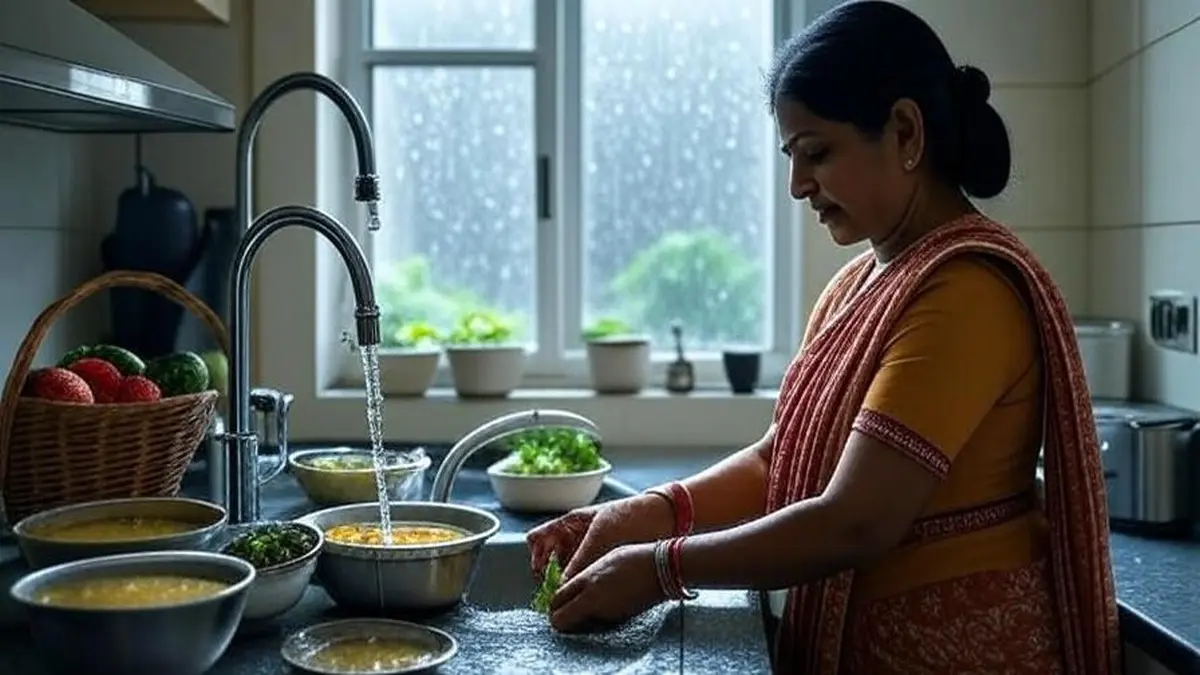
The monsoon season brings much-needed relief from the scorching heat, but it also creates a perfect environment for bacteria, viruses, and fungi to thrive due to high humidity and fluctuating temperatures. Food poisoning cases often surge during this time, caused by improper storage, contamination, and poor hygiene. Here’s a comprehensive guide to keeping your food safe and preventing foodborne illnesses during the rainy season.
Why the Monsoon Increases Food Poisoning Risk
Warm, moist conditions accelerate bacterial growth in perishable foods like dairy, meat, and seafood. Contaminated water—common during flooding—can carry pathogens like E. coli, Salmonella, and Listeria. Power cuts and refrigeration issues further increase risks.
Practical Tips to Prevent Food Poisoning
1. Maintain Strict Hygiene
- Wash Hands Thoroughly: Always wash hands with soap for at least 20 seconds before handling food.
- Sanitise Surfaces and Utensils: Clean cutting boards, knives, and countertops using hot water and soap.
- Use Clean Water: Wash fruits, vegetables, and utensils with boiled or filtered water.
2. Store Food Correctly
- Refrigerate Promptly: Keep perishables at or below 4°C (40°F). Don’t leave food out for more than 2 hours.
- Use Airtight Containers: Prevent moisture buildup and bacterial growth.
- Avoid Overloading the Fridge: Ensure proper air circulation.
3. Be Careful with Perishables
- Check Expiry Dates: Don’t consume expired items.
- Cook Thoroughly: Ensure meats reach safe internal temperatures.
- Avoid Raw or Undercooked Food: Skip raw salads, seafood, and undercooked eggs during monsoon.
4. Handle Fruits and Vegetables Safely
- Wash Thoroughly: Rinse under running water; soak in vinegar water for extra safety.
- Peel When Needed: Helps reduce surface contaminants.
- Store Refrigerated: Keep cut or washed produce chilled.
5. Ensure Water and Beverages Are Safe
- Drink Boiled or Filtered Water: Avoid street beverages.
- Skip Unverified Ice: Ice made from unfiltered water can spread germs.
6. Manage Leftovers Wisely
- Reheat Properly: Heat to at least 74°C (165°F).
- Eat Within 2–3 Days: Don’t keep leftovers too long, even if refrigerated.
- Discard Suspicious Food: Odd smell, texture, or mould? Throw it away.
7. Avoid Street Food
Prepared in unhygienic, exposed environments, street food is a major risk during monsoon. Stick to home-cooked or trusted sources.
8. Prevent Pest Contamination
- Keep Kitchen Clean: Avoid attracting flies, cockroaches, and rodents.
- Cover Food: Use lids or wraps.
- Use Safe Pest Control: Natural repellents or traps are useful.
9. Be Ready for Power Cuts
- Keep Fridge Closed: Helps retain cold air for up to 4 hours.
- Use Insulated Coolers: Ideal for frequent outages.
- Stock Non-Perishables: Keep canned goods and dried foods handy.
Foods to Avoid During Monsoon
- Leafy Greens: Easily contaminated due to water retention and pesticide residues.
- Seafood: Spoils quickly in humid weather.
- Cut Fruits: Exposed to dust and flies at markets.
- Fried Snacks: Can become soggy and unsafe if not stored properly.
Foods to Include
- Fresh, Hot Home-Cooked Meals
- Boiled Foods: Pulses, grains, and veggies—boiling kills bacteria.
- Immunity-Boosters: Include ginger, garlic, turmeric, and citrus fruits.
Fact-Checked Tips
- WHO: Bacteria multiply fastest between 4°C and 60°C.
- CDC: Contaminated water is a major cause of foodborne diseases in monsoon.
- Public Health Data: Proper handwashing can reduce contamination risk by up to 50%.
Conclusion
Preventing food poisoning during the monsoon requires vigilance—maintain hygiene, cook food properly, store it safely, and avoid risky sources. These small, consistent actions will help you enjoy the rainy season without compromising your health. Eat fresh, stay clean, and be cautious for a safe, satisfying monsoon.
