 Deshwale
Smart Moves for Sweet Kids: School Tips for Diabetes
In brief · AI summary Parents of children with Type 1 diabetes can help them stay safe, active, and confident at school through planning and smart tech such as continuous glucose monitoring (CGM) devices, which track sugar levels day and night and send real-time alerts to parents' phones. The article also offers five tips, including checking glucose before school, encouraging exercise and sleep, managing stress, keeping a glucose journal, and planning balanced school meals.
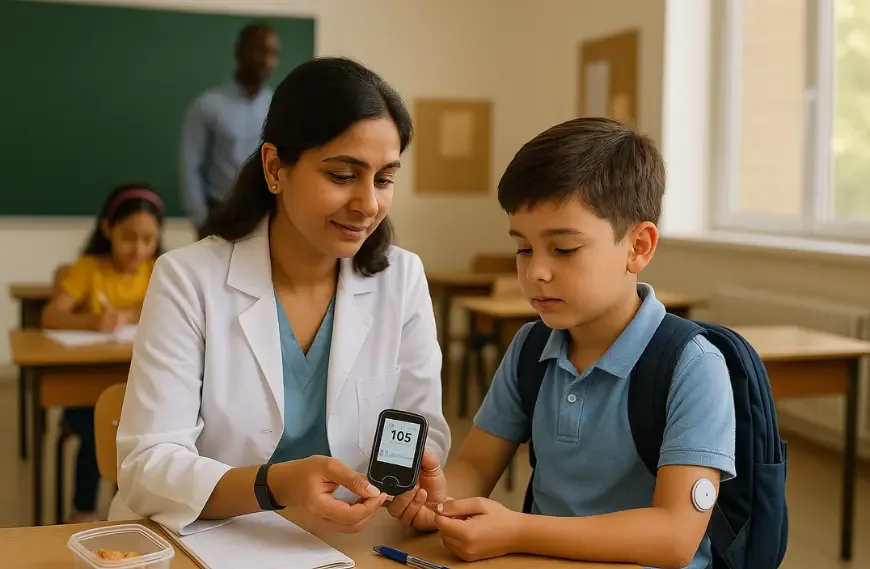
The start of a school year can feel like a fresh chapter. But for parents of children with Type 1 diabetes, it also brings extra worries. With some planning and smart tech, kids with diabetes can stay safe, active, and confident at school.
What is Type 1 Diabetes?
Type 1 diabetes is an autoimmune condition. The immune system destroys insulin-making cells in the pancreas. This means the body can’t manage blood sugar naturally. Kids need insulin doses and frequent checks.
Routine Builds Confidence
Dr Anjana Hulse, Paediatric Endocrinologist at Hulse Clinic, Bangalore, explains the value of routine. “Regular exercise, a balanced diet, and consistent monitoring help control sugar levels. This improves insulin sensitivity and supports healthy living,” she says.
She also highlights the benefits of tech. “Parents can use continuous glucose monitoring (CGM) devices. These track sugar levels day and night and show how food or exercise affect glucose. It helps parents and doctors react quickly.”
Real-Time Alerts Bring Peace of Mind
CGM tech now sends real-time alerts to parents’ phones. If glucose levels drop or spike, caregivers are instantly notified. Dr Kenneth Lee, Director of Medical Affairs at Abbott, adds, “Today’s CGMs show real-time data and link to smartphones. Families can monitor levels anytime, anywhere.”
Unlike older CGMs that only showed past data, newer devices provide instant updates. This allows for quicker action. It also gives schools, parents, and doctors shared access to data—boosting safety and teamwork.
Five Must-Know Tips for School Diabetes Management
- Start the Day with a Check
Before heading to school, check your child’s glucose level. This helps guide the next insulin dose. With CGMs, you can track patterns affected by stress, meals, or physical activity. - Make Exercise Fun
Encourage team sports or playful games like kho kho, cricket, or cycling. Fun workouts make kids more likely to stay active. Sleep is also vital—tired kids can experience sugar swings. - Teach Self-Care and Stress Control
Stress can spike glucose levels. Help your child recognise stress signs. Encourage reading, music, or talking with friends. These help reduce pressure and improve focus. - Keep a Glucose Journal
Track meals, sugar levels, and physical activities with timestamps. This helps detect patterns and tweak the routine if needed. Always consult a doctor before making big changes. - Plan Smart Meals
School lunches are tricky. Teach kids to identify balanced foods. Make sure they understand which foods cause highs or lows in sugar. Small snack packs and timely eating can help.
A Shared Journey
Managing diabetes is a team effort. With modern tools and good planning, your child can thrive in school, enjoy fun with friends, and lead a full, healthy life.