 Deshwale
Uganda Rolls Out Free Malaria Vaccinations for Children
In brief · AI summary Uganda has launched a malaria vaccination campaign for children under two, aiming to immunise about 1.1 million infants in 105 districts with high to moderate transmission. The R21/Matrix-M vaccine is given in four doses, and Uganda becomes the 19th African country to add a malaria vaccine to its routine immunisation programme. Health officials stress that the vaccine should complement existing measures such as insecticide-treated bed nets, indoor residual spraying, and prompt treatment.
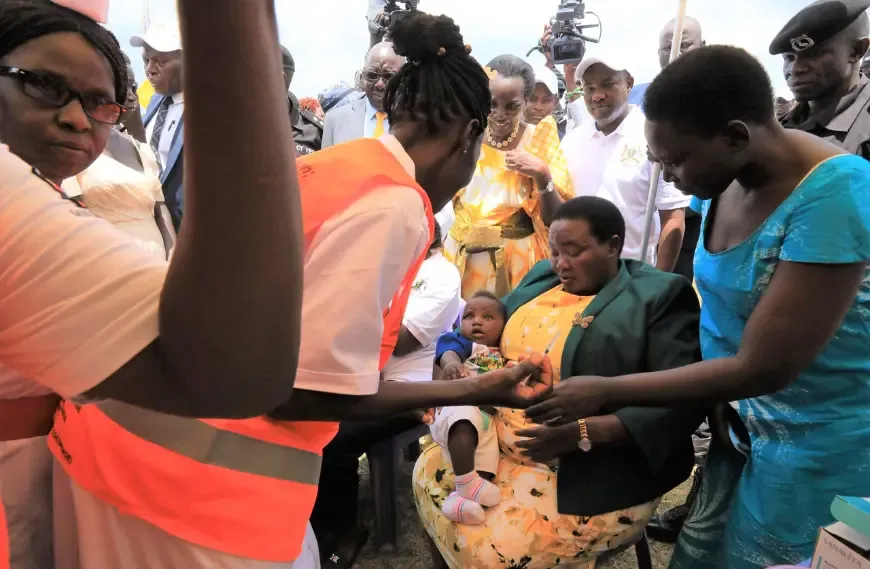
Uganda has launched a major malaria vaccination campaign targeting children under two years old. The initiative aims to immunise approximately 1.1 million infants in 105 districts with high to moderate malaria transmission rates.
Vaccine details and administration
The vaccine, known as R21/Matrix-M™, is administered in a series of four doses. The schedule includes vaccinations at six, seven, and eight months, with a booster at 18 months. This regimen is designed to provide optimal protection against malaria during the most vulnerable early years of life.
Government’s commitment to combat malaria
Health Minister Jane Ruth Aceng highlighted the significance of this initiative, stating that the vaccine is expected to prevent at least 800 cases of severe malaria among children daily. This effort is part of Uganda’s broader strategy to reduce the malaria burden and improve child health outcomes.
Support from international partners
The vaccination campaign is supported by international organisations, including Gavi, the Vaccine Alliance, UNICEF, and the World Health Organization (WHO). These partnerships have facilitated the procurement and distribution of the vaccines, ensuring they reach the targeted districts efficiently.
Integration into routine immunisation
With this rollout, Uganda becomes the 19th African country to incorporate a malaria vaccine into its routine immunisation programme. This integration reflects the country’s commitment to leveraging all available tools to combat malaria, which remains a leading cause of illness and death among young children in Uganda.
Complementary malaria prevention measures
Health officials emphasise that the vaccine should complement existing malaria prevention strategies, such as the use of insecticide-treated bed nets, indoor residual spraying, and prompt treatment of confirmed cases. A comprehensive approach is essential to achieve significant reductions in malaria transmission and related mortality.