




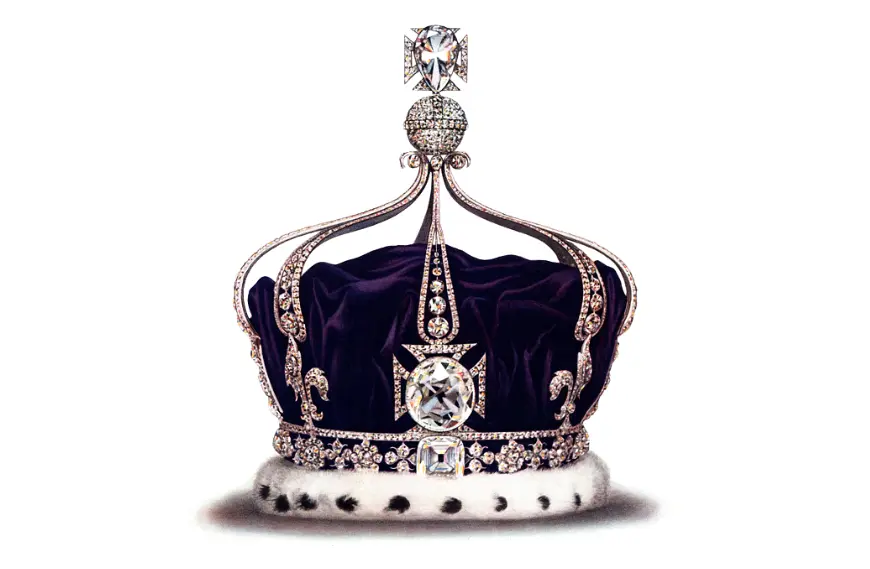
In April 2025, a single statement from UK Culture Secretary Lisa Nandy in New Delhi reignited one of India’s most emotive cultural debates: the fate of the Kohinoor diamond. Addressing questions about returning the 105.6-carat gem to India, Nandy proposed “shared access” to cultural artefacts, including the Kohinoor, rather than full repatriation. This suggestion, part of a broader cultural cooperation agreement with India, has sparked hope, scepticism, and fervent demands for justice across the nation. For an Indian audience, the Kohinoor is not just a diamond it’s a symbol of heritage plundered during colonial rule, and its story resonates deeply with the country’s past and present aspirations.
A gem steeped in history
The Kohinoor’s journey began centuries ago in the Golconda mines of South India, where it was unearthed as one of the world’s largest diamonds. Revered by Indian rulers, it adorned the treasuries of the Mughals and later the Sikh Empire under Maharaja Ranjit Singh. Its allure transcended borders, drawing Persian invaders like Nadir Shah, who reportedly named it “Kohinoor” (Mountain of Light). However, in 1849, following the British annexation of Punjab, the diamond was ceded to the East India Company under the Treaty of Lahore. The young Maharajah Duleep Singh, barely 10 years old, was coerced into “gifting” it to Queen Victoria.
Since then, the Kohinoor has remained in the UK, set in the Queen Mother’s Crown and displayed in the Tower of London. Its acquisition remains a sore point for Indians, symbolizing the exploitation of the colonial era. As historian Dr. Anita Sharma notes, “The Kohinoor’s removal was not a transaction but an act of power, stripping India of its sovereignty and pride.”
The UK’s proposal: shared access or sidestepping justice?
Nandy’s visit to New Delhi, part of ongoing UK-India trade and cultural talks, culminated in a significant agreement with India’s Culture Minister Gajendra Singh Shekhawat. The deal aims to foster collaboration, including digitizing Indian manuscripts held in UK archives and exploring shared access to artefacts like the Kohinoor. Nandy described the approach as a way to “celebrate our shared heritage,” suggesting joint exhibitions or temporary loans to bring the diamond to India periodically.
This proposal aligns with global trends where former colonial powers negotiate access to contested artefacts. For instance, Greece has pursued similar arrangements for the Parthenon Marbles. Yet, in India, the idea has met mixed reactions. Some cultural scholars see it as a pragmatic step, allowing Indians to reconnect with their heritage without the legal complexities of repatriation. Others, including political leaders and activists, view it as a diplomatic dodge. “Shared access is a compromise that avoids addressing the moral debt of colonialism,” argues Priya Menon, a Delhi-based historian.
India’s heartbeat: A call for repatriation
For many Indians, the Kohinoor is a wound that time has not healed. Social media platforms like X have amplified these sentiments, with users posting under hashtags like #ReturnKohinoor. A recent petition to the Indian government, garnering thousands of signatures, demands renewed diplomatic efforts to reclaim the diamond. The sentiment is echoed in India’s media, with editorials framing the Kohinoor as a test of the UK’s commitment to decolonization.
The diamond’s cultural significance cannot be overstated. In Indian folklore, it is tied to tales of power and destiny, believed to bring fortune to its rightful owners. Its absence from India feels like a missing piece of the nation’s soul, particularly for communities in Punjab and Andhra Pradesh, where its historical roots lie. As Mumbai-based activist Rohan Desai puts it, “The Kohinoor belongs to India’s soil, not a British museum. Shared access feels like borrowing our own legacy.”
Diplomacy and decolonization: what lies ahead?
The Kohinoor debate is a microcosm of broader UK-India relations, which balance economic partnerships with historical redress. The cultural agreement signals a willingness to engage, but full repatriation remains a contentious issue. Legal hurdles, including the UK’s laws protecting Crown Jewels, complicate matters, as does the precedent it might set for other artefacts, like the Amravati Marbles or Tipu Sultan’s treasures, also held in the UK.
Globally, the push for repatriation is gaining momentum. Nigeria’s Benin Bronzes and Ethiopia’s Magdala treasures have seen partial returns, fueling India’s hopes. A potential shared access model could involve the Kohinoor being displayed in Delhi or Amritsar for extended periods, accompanied by educational exhibits on its history. Such a move could strengthen cultural ties and pave the way for further dialogue on colonial-era artefacts.
A step toward healing?
The Kohinoor remains a glittering symbol of India’s past and a test of its future with the UK. Nandy’s proposal, while innovative, has yet to satisfy the Indian public’s yearning for justice. As both nations navigate this delicate issue, the diamond’s fate could redefine cultural diplomacy, offering a chance to heal colonial wounds and celebrate a shared, if complex, heritage. For now, India waits, hoping the Mountain of Light might one day shine on its soil again.
Key facts about the Kohinoor Diamond
| Attribute | Details |
| Origin | Golconda mines, South India |
| Carat Weight | 105.6 carats |
| Historical Owners | Mughals, Persian rulers, Sikh Empire |
| Acquisition by UK | 1849, Treaty of Lahore, “gifted” by Maharajah Duleep Singh |
| Current Location | Tower of London, Queen Mother’s Crown |
| Recent Development | UK proposes shared access, April 2025 |
