



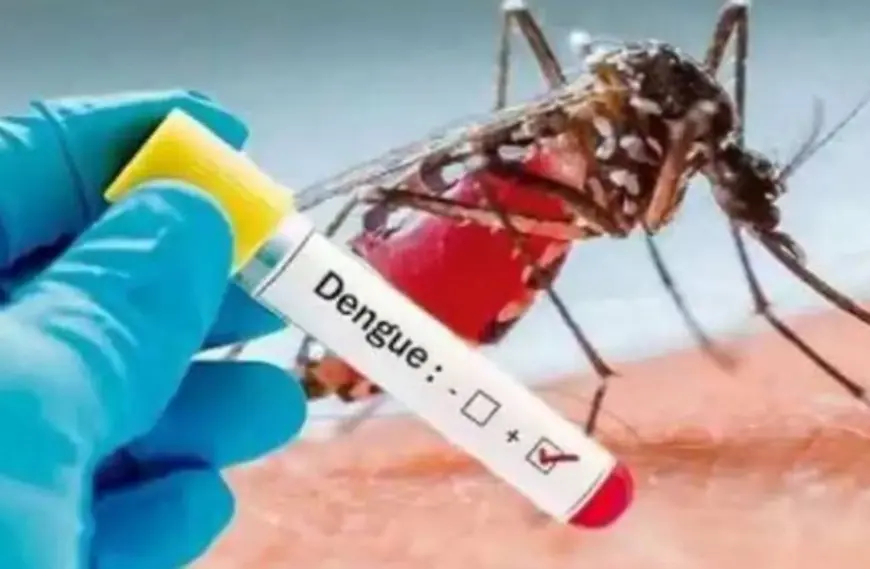
As monsoon sets in early this year, India is witnessing a sharp rise in dengue concerns. National Dengue Day 2025, observed on May 16, comes with strong advisories and urgent action plans to curb the seasonal surge.
The Union Health Ministry has issued fresh warnings to all states. The focus is on early detection, public awareness, and vector control strategies, especially in high-risk zones.
Kerala Leads With Action Plan
In Kerala, the Health Department has launched a massive vector source reduction drive. Health Minister Veena George emphasised the need for eliminating breeding grounds in residential and public areas.
Local bodies have been directed to clear stagnant water and ensure daily waste disposal. The campaign also includes house-to-house inspections, with support from health volunteers and ASHA workers.
Children at Higher Risk, Say Experts
Health experts have raised alarms over the rising vulnerability of children. According to paediatricians, children often display atypical symptoms, making diagnosis harder.
Some warning signs include:
- High fever
- Vomiting
- Severe abdominal pain
- Rash or bleeding
Parents are advised to seek immediate medical attention if symptoms persist. Dehydration and shock remain major risks in untreated paediatric cases.
Why Dengue Returns Every Monsoon
Dengue spreads through the bite of infected Aedes mosquitoes, which breed in stagnant water. With early monsoons in several parts of India, mosquito populations are rising fast.
Urban areas are particularly at risk due to blocked drains, construction sites, and discarded containers.
According to the National Vector Borne Disease Control Programme, urban vector surveillance has been stepped up in vulnerable districts. Fogging, larvicide spraying, and community awareness drives are being scaled up.
Prevention Is Still the Best Cure
As of now, there is no specific antiviral drug for dengue. Treatment focuses on managing symptoms and preventing complications. Health officials continue to urge people to:
- Use mosquito repellents
- Wear full-sleeved clothing
- Avoid water stagnation
- Clean containers and flower pots regularly
Infections tend to peak between June and September, making the next few months crucial.
With dengue cases likely to rise in coming weeks, prevention remains key. Government bodies, health workers, and citizens must act collectively. Vigilance, early treatment, and simple hygiene steps can save lives during the dengue season.
