



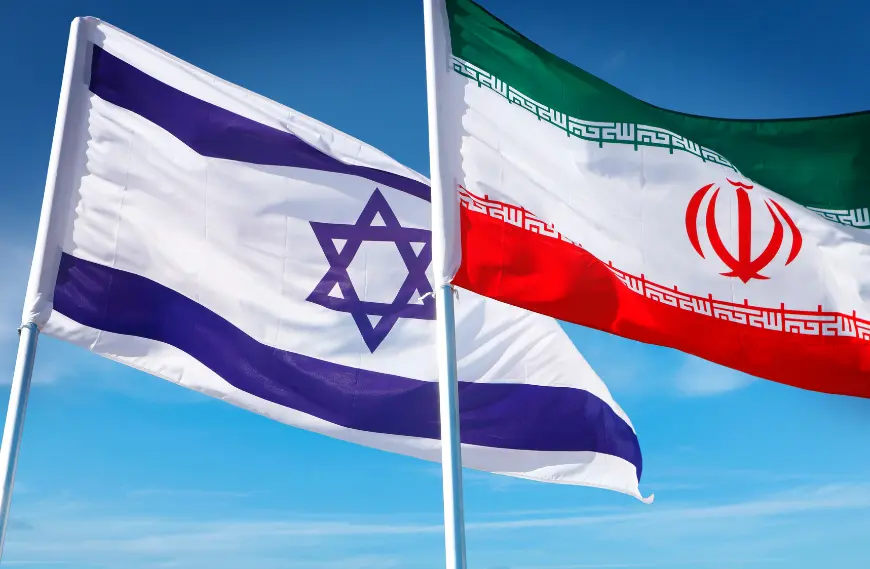
Iran and Israel, once allies, now stand as bitter rivals. Their animosity shapes Middle Eastern geopolitics profoundly. This conflict offers critical insights into global diplomacy and regional security. The USA’s role, pivotal and complex, further fuels tensions. This article traces their history and current dynamics. It unravels a tale of ideology, power, and global influence.
Early Cordiality: Pre-1979 Relations
Before 1979, Iran and Israel shared warm ties. Under the Pahlavi dynasty, Iran recognised Israel in 1950, becoming the second Muslim-majority nation to do so. Oil flowed through the Eilat-Ashkelon pipeline, a joint venture. Israeli firms contributed to infrastructure development in Iran’s cities. Secret military projects, like Project Flower, also took place. Both nations viewed Arab states as common threats. The USA backed this alliance, valuing Iran’s oil and strategic location. This era of cooperation now seems distant.
The 1979 Islamic Revolution: A Turning Point
Iran’s 1979 Islamic Revolution reshaped its foreign policy. The Shah’s pro-Western regime was replaced by Ayatollah Khomeini’s theocracy. Anti-Israel rhetoric became central to Iran’s ideology. Khomeini denounced Israel as a “Zionist entity” illegitimately occupying Palestine. Iran severed diplomatic ties and rejected Israel’s existence. It began supporting Palestinian groups like Hamas. The USA, seen as Israel’s patron, became Iran’s “Great Satan.” The 1979–81 hostage crisis worsened US-Iran relations. Iran’s new stance deeply alarmed Israel.
The 1980s: Proxy Wars and Covert Ties
During the 1980s, Iran and Israel clashed indirectly. Iran backed Hezbollah during Israel’s 1982 invasion of Lebanon. Hezbollah, a Shia militia, fiercely targeted Israeli forces. Israel supported Iraq during the Iran-Iraq War (1980–88), while the USA tacitly supplied arms to Iraq. Despite ideological hostility, covert dealings like the Iran-Contra affair took place. These contradictions reflected strategic pragmatism. Iran’s anti-Israel stance intensified, but survival also demanded flexibility. The USA’s dual approach complicated the rivalry further.
The 1990s: Nuclear Ambitions and Regional Tensions
Iran revived its nuclear programme post-war, alarming Israel. A nuclear-capable Iran was seen as an existential threat. Missile developments like the Shihab-3 increased tensions. Israel responded with covert operations targeting nuclear infrastructure. The USA imposed sanctions over Iran’s nuclear and terrorist links. Iran deepened ties with Syria and Hezbollah, encircling Israel. Meanwhile, Israel’s peace efforts with Palestinians provoked Iran’s hardliners. Regional power shifts further destabilised the balance.
2000s: Shadow War Intensifies
The 2000s marked a shift to shadow warfare. Israel allegedly assassinated Iranian nuclear scientists, including Masoud Alimohammadi in 2010. The Stuxnet cyberattack, likely a US-Israel joint operation, disrupted Iran’s centrifuges. Iran, in turn, increased support to Hezbollah and Hamas. Israel intercepted arms shipments headed for Gaza. The USA declared Iran part of the “Axis of Evil” in 2002. Intensified sanctions isolated Iran further. Iran’s nuclear progress triggered Israeli discussions on preemptive strikes.
The JCPOA and Its Fallout: 2015–2018
The 2015 Joint Comprehensive Plan of Action (JCPOA) temporarily eased tensions. Iran agreed to restrict uranium enrichment in return for sanctions relief. The deal, led by the Obama administration, was criticised by Israel. In 2018, the Trump administration withdrew from the JCPOA, reimposing harsh sanctions. Israel’s intelligence agency revealed hidden Iranian nuclear archives. Iran accused Israel of continuous sabotage. The US withdrawal aligned with Israel’s hawkish views, escalating tensions further.
2020s: From Covert to Direct Confrontations
By the 2020s, hostilities turned overt. In 2020, Iran’s top scientist Mohsen Fakhrizadeh was assassinated, allegedly by Israel. Similar accusations followed after the killing of Hamas leader Ismail Haniyeh in Tehran. Israeli airstrikes targeted Iranian positions in Syria and Lebanon. Iran launched direct missile strikes on Israel in April and October 2024. Israel retaliated by hitting nuclear and military sites in Iran. The USA assisted in intercepting Iranian drones, supporting Israel’s defence. Iran’s leadership vowed severe retaliation in November 2024.
June 2025: Escalation Peaks
On 12 June 2025, Israel launched strikes on Iran’s nuclear infrastructure. Targets included missile production sites and top military personnel. Israel called it a preemptive action against nuclear threats. Iran responded with over 100 drones and missiles. Despite ongoing nuclear negotiations, the USA supported Israel’s right to self-defence. Former President Trump praised the action while avoiding calls for escalation. Iran’s economy, already weakened, came under greater strain. The fall of Assad’s regime in Syria further diminished Iran’s regional clout. The threat of wider conflict now looms large.
The USA’s Role: Ally and Mediator
The USA has remained Israel’s steadfast ally through military aid, intelligence sharing, and diplomatic support. It considers Iran’s nuclear ambitions and proxy activities as serious threats. However, the USA has also pursued diplomacy, including JCPOA and recent negotiations in 2025. This dual role often conflicts with Israel’s hardline approach. Economic sanctions against Iran have isolated it and stoked resentment. By intercepting missiles and aiding Israel’s defence, the USA’s commitment deepens. This balancing act complicates its strategic positioning.
Iran’s Perspective: Ideology and Strategy
Iran views Israel as an occupying power backed by the USA. Its support for Hamas and Hezbollah is driven by both ideology and regional strategy. The post-revolution regime institutionalised anti-Zionism. Iran frames its nuclear programme as a defensive measure. American sanctions and Israeli strikes bolster this narrative. According to analysts, Iran’s regime seeks deterrence while using proxies to project power. Recent missile attacks, however, reflect an increasingly direct stance.
Israel’s Perspective: Security and Survival
Israel perceives Iran as its most dangerous threat. The combination of nuclear development and proxy militias poses strategic risks. Israel’s airstrikes and assassinations aim to curb Iran’s capabilities. The USA’s unwavering support enables these actions. Israeli leadership often portrays Iran as a menace to global security. The 2025 strikes reaffirm its doctrine of preemption. Public fear of retaliation remains high. Backed by advanced military resources and alliances, Israel maintains a strong position—though not without regional consequences.
India’s Stake in the Conflict
India maintains strategic relations with both Iran and Israel. Iran supplies oil, while Israel provides advanced defence technology. A wider regional conflict could spike global oil prices, impacting India’s economy. Projects like the Chabahar port face geopolitical scrutiny. India continues its policy of non-alignment, promoting stability and restraint. The conflict challenges India’s diplomatic balancing act and broader geopolitical interests.
Current Dynamics and Future Risks
The Iran-Israel conflict now teeters on the edge of full-scale war. The escalation from covert to direct strikes is unprecedented. Iran’s diminished proxy capabilities limit its retaliatory scope. Israel’s strikes on nuclear assets raise the spectre of nuclear confrontation. The USA’s efforts at de-escalation appear increasingly ineffective. Any miscalculation could trigger a larger regional or global crisis. Internal political pressures in both countries further complicate peace prospects.
A Call for Reflection
This long-standing conflict, deeply rooted in history, continues to shape global security narratives. Ideology, survival, and international alignments make resolution difficult. The stakes are high, and the world must seek dialogue and diplomatic solutions. Understanding the trajectory of this rivalry is essential for anticipating its global repercussions. The need for wisdom and restraint is greater than ever.
