



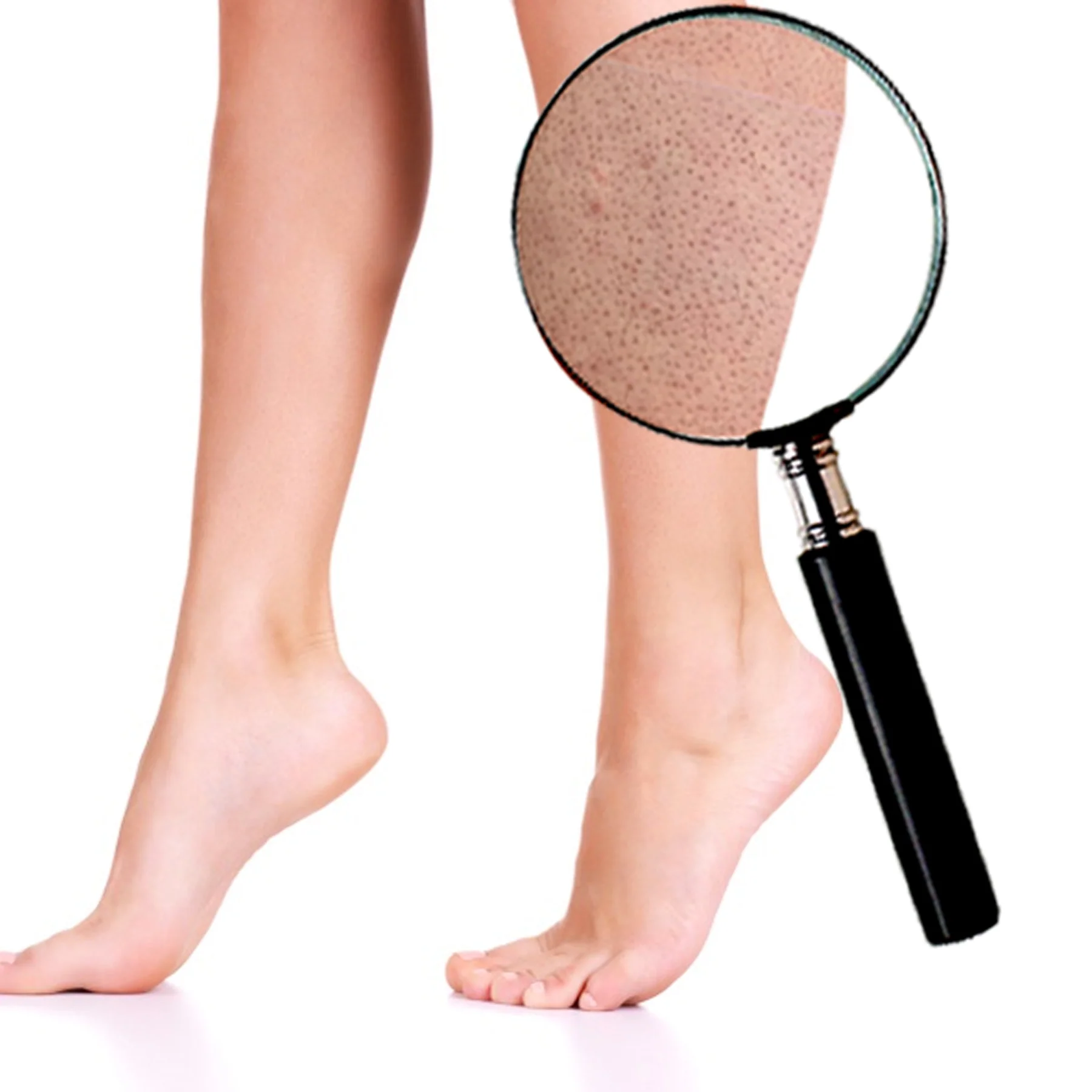
Have you ever looked at your arms or legs and noticed tiny dark spots that look a bit like the seeds on a strawberry? That’s why people call it strawberry skin. It’s common, harmless, and happens to many of us. But let’s be honest—it doesn’t always feel great when you want smooth, glowing skin.
The good news is that strawberry skin is not permanent. With the right care, you can soften those bumps, lighten the dark dots, and feel more confident. Today, I’ll explain why it happens, what it really means, and most importantly, how you can deal with it in your everyday routine.
What Exactly Is Strawberry Skin?
Strawberry skin is the name we give to small, dark dots or bumps that appear on the arms, legs, or even the buttocks. They usually show up when the pores or hair follicles get clogged with oil, dead skin, or keratin—a natural protein that protects your skin.
It isn’t a disease, it isn’t contagious, and it isn’t dangerous. But it can make your skin look uneven and sometimes feel a little rough.
Why Does Strawberry Skin Happen?
Here are the most common reasons:
- Keratin build-up: When too much keratin blocks your pores, small bumps form.
- Dry skin: Lack of moisture makes the problem worse.
- Shaving: Using blunt razors or shaving without proper prep can leave behind dark dots.
- Dead skin: Without regular exfoliation, dead cells clog the follicles.
- Genetics: Some people naturally have skin that reacts this way.
Knowing the cause is the first step. Once you do, you can start working on solutions.
The Daily Routine That Helps
Let’s keep it simple. You don’t need fancy treatments. Just a few consistent habits can make a real difference.
Cleanse Gently
Use a mild, fragrance-free cleanser. Avoid scrubbing harshly. Your skin doesn’t need punishment—it needs care.
Moisturise With the Right Ingredients
Lotions that contain lactic acid, salicylic acid, or urea are game-changers. They don’t just hydrate, they also soften the bumps. Brands like CeraVe, AmLactin, or any lactic acid-based cream are good options.
Exfoliate Smartly
Two or three times a week, exfoliate. A gentle scrub or a chemical exfoliant with AHA or BHA works best. But don’t overdo it. Too much scrubbing can make the skin worse.
Shave the Right Way
If you shave, always use a sharp razor and shaving cream. Never shave on dry skin. This reduces irritation and prevents clogged follicles.
Sun Protection
Dark dots get darker in the sun. A sunscreen on your arms and legs can stop that.
Home Remedies That Actually Work
If you love natural fixes, here are some simple ones:
- Oatmeal baths calm irritation and reduce dryness.
- Coconut oil is a natural moisturiser that helps keep the skin smooth.
- Sugar and olive oil scrubs once a week give gentle exfoliation.
These are not magic cures, but they can support your routine.
What If It Doesn’t Improve?
Sometimes, even after regular care, strawberry skin stays stubborn. That’s when you might consider:
- Prescription creams with retinoids, which speed up cell turnover.
- Laser hair removal, which can reduce the problem since hair follicles play a role.
But remember, these are for persistent cases. For most people, everyday skincare is enough.
Things to Keep in Mind
- It takes time: You won’t see results overnight. Give it a few weeks.
- Consistency matters: Missing moisturiser or skipping exfoliation will slow progress.
- Don’t compare: Everyone’s skin is different. What clears up quickly for one may take longer for another.
- It’s normal: Strawberry skin is common. Having it doesn’t mean your skin is unhealthy.
The Bigger Picture
At the end of the day, strawberry skin is not about beauty standards. It’s about comfort. If your skin feels smoother and looks clearer, you’ll naturally feel better. But even with those tiny dots, you are perfectly normal.
The real trick is learning how your skin responds to care. Once you know that, you can control it, instead of letting it control you.
Strawberry skin is something many of us deal with, but it doesn’t need to stick around forever. By cleansing gently, moisturising smartly, exfoliating regularly, and protecting your skin, you can soften those bumps and see smoother arms and legs.
It’s about small, consistent changes that add up over time. Think of it as a little self-care ritual. Your skin will thank you for it.
