



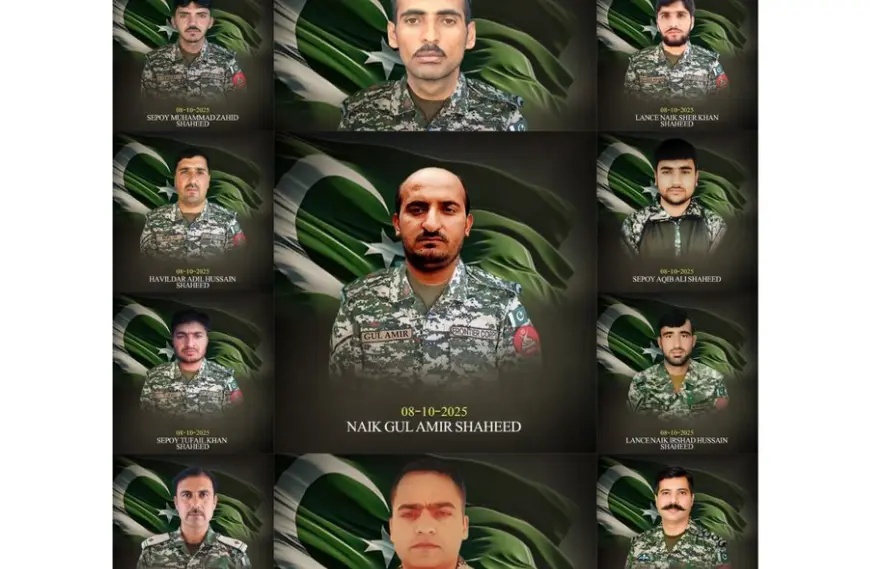
The Tehrik-e-Taliban Pakistan (TTP) is once again becoming a serious threat to Pakistan’s security. This group of militants has been regrouping and carrying out attacks in different parts of the country, targeting military personnel and civilians. Their recent attacks in North Waziristan, where several Pakistani soldiers were killed, show that the TTP is becoming stronger and more organized.
Experts say that the TTP is using Afghanistan as a base for planning and launching attacks. This safe haven allows them to train, recruit fighters, and move across borders, making it difficult for Pakistani security forces to completely eliminate the threat. The situation is concerning for Pakistan because the militants are attacking not only the military but also disrupting daily life for people living in affected areas.
The resurgence of TTP highlights weak spots in regional security. It shows that cross-border militancy is still a serious problem and requires strong cooperation between neighboring countries. Pakistan’s army and intelligence agencies are working to track and stop these militants, but the TTP’s ability to regroup shows the challenge is far from over.
This growing threat has wider implications as well. If not controlled, it could lead to more violence, instability, and fear among civilians, and it could also affect Pakistan’s overall security situation. Policymakers and security experts stress the need for strategic action, intelligence-sharing, and regional cooperation to contain the TTP and prevent further attacks.
In simple terms, the TTP’s comeback is a reminder that militant groups can regain strength if not monitored carefully, and Pakistan must remain vigilant to protect its people and maintain peace.
