



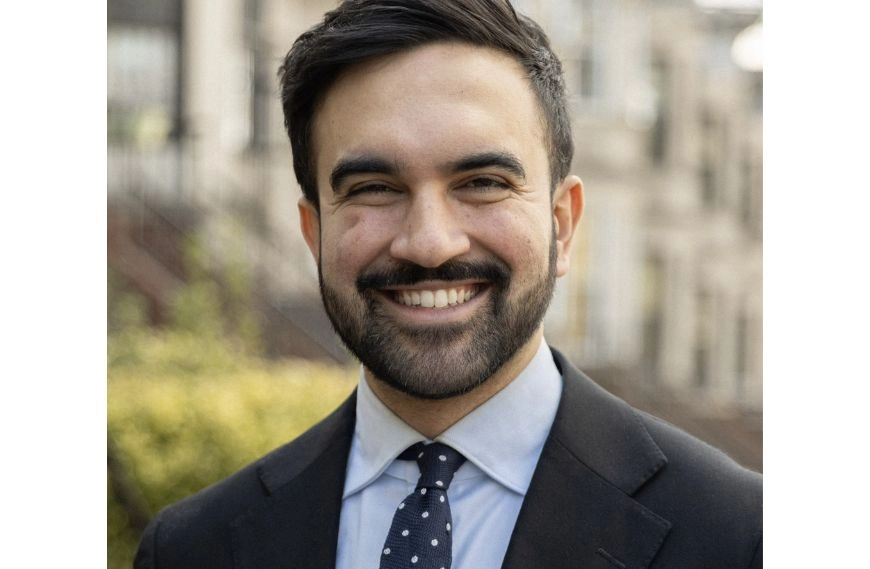
In a historic election on November 5, 2025, Zohran Mamdani was elected mayor of New York City, marking a significant moment in the city’s political history. At 34, Mamdani became the youngest mayor in more than a century, and the first Muslim and first South Asian to hold the office. His victory reflects a larger ideological shift in New York, one that signals the growing influence of progressive, diverse, and younger leadership in the city’s politics.
Mamdani ran on a progressive platform promising policies aimed at reducing economic inequality, expanding affordable housing, improving public transport, and increasing support for marginalized communities. His campaign also emphasized climate action, education reform, and social justice priorities that resonated strongly with younger voters and communities historically underrepresented in city politics.
Political analysts see Mamdani’s win as a reflection of New Yorkers’ desire for change. The city has long been a hub of political activism and diversity, and this election demonstrates that voters are increasingly supporting candidates who bring fresh perspectives and progressive ideas to the table. Mamdani’s focus on grassroots campaigning, small-donor funding, and direct engagement with communities set him apart from older, more traditional candidates like Andrew Cuomo, whose attempt at a political comeback fell short.
The outcome also highlights the influence of younger voters. Many of New York City’s millennials and Gen Z residents turned out in record numbers, driven by issues such as economic opportunity, affordable housing, and climate change. Their votes helped shift the balance in a city traditionally dominated by established political figures and institutional power.
Experts argue that Mamdani’s win may have implications beyond New York City. It could inspire similar progressive campaigns across the United States, signaling that cities and regions are ready to embrace candidates who prioritize social justice, inclusion, and forward-looking policies over political legacy and experience.
For the residents of New York, Mamdani’s election is both symbolic and practical. It represents hope for more inclusive governance and a government that reflects the city’s diverse population. For the broader political landscape, it is a reminder that changing demographics, coupled with active civic engagement, can redefine leadership and policy priorities in major metropolitan centers.
As Zohran Mamdani prepares to take office in January 2026, his election stands as a milestone in the ongoing evolution of New York’s political ideology one that embraces progressivism, diversity, and the power of new voices shaping the city’s future.
Subscribe Deshwale on YouTube
