



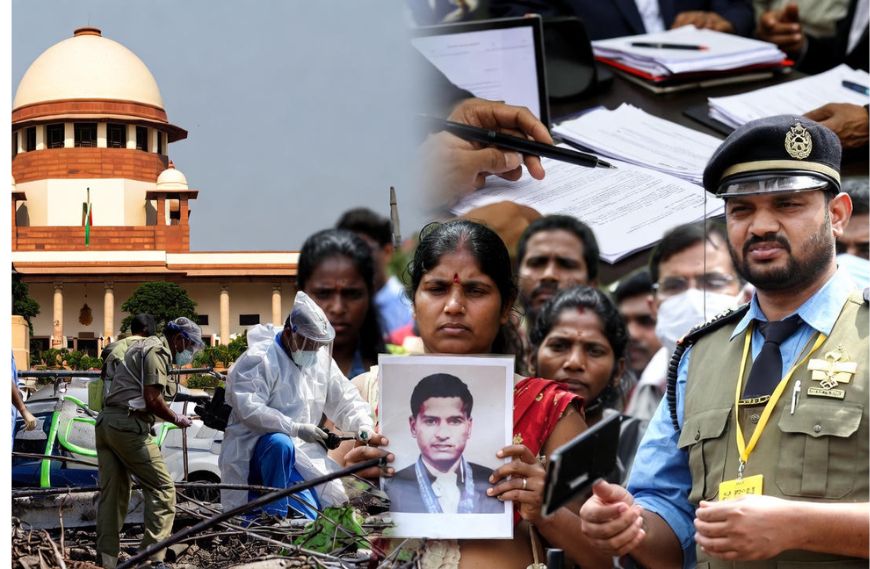
The investigation into the tragic Air India crash, which claimed hundreds of lives, has raised critical questions about transparency. The Aircraft Accident Investigation Bureau (AAIB) has been examining the causes of the crash, but concerns have emerged over whether families, the public, and the media are receiving complete and timely information.
Recently, the Supreme Court of India was informed by the government that no blame has been fixed in the preliminary AAIB report. While the report aims to determine the cause rather than assign fault, some stakeholders, including the father of the late pilot, have raised concerns about selective disclosure of information. They argue that families and the public deserve clear, comprehensive updates on the investigation’s progress.
Transparency in aviation investigations is crucial for multiple reasons. Firstly, it builds trust among the public and affected families. When large-scale accidents occur, families naturally want to know what happened, how it happened, and whether any systemic errors contributed to the disaster. Secondly, transparency ensures accountability for aviation authorities and airlines, allowing lessons to be learned and safety protocols strengthened.
The AAIB follows international norms laid out by the International Civil Aviation Organization (ICAO), which emphasize cause-finding over blame. Reports are often technical and detailed, which can make it difficult for the general public to understand the findings. However, providing summaries, updates, and accessible explanations is essential to maintain public confidence.
Experts say that while it is normal for investigative agencies to withhold certain details until a final report is ready, timely communication of key findings and safety measures can prevent speculation and misinformation. Transparency is not just about releasing the full technical report but also about maintaining a clear dialogue with stakeholders and ensuring that updates are consistent and accurate.
Families of victims, legal observers, and aviation watchdogs continue to monitor the situation closely. They emphasize that procedural fairness and open communication are as important as technical accuracy. Any perception of secrecy or selective disclosure can undermine public confidence in both the investigation and the safety of the aviation system as a whole.
In conclusion, the Air India crash investigation highlights the delicate balance between procedural correctness and public transparency. While the AAIB adheres to ICAO norms, stakeholders continue to demand that information be shared responsibly, clearly, and promptly, so that trust in aviation safety and investigative processes remains intact.
Subscribe Deshwale on YouTube
