



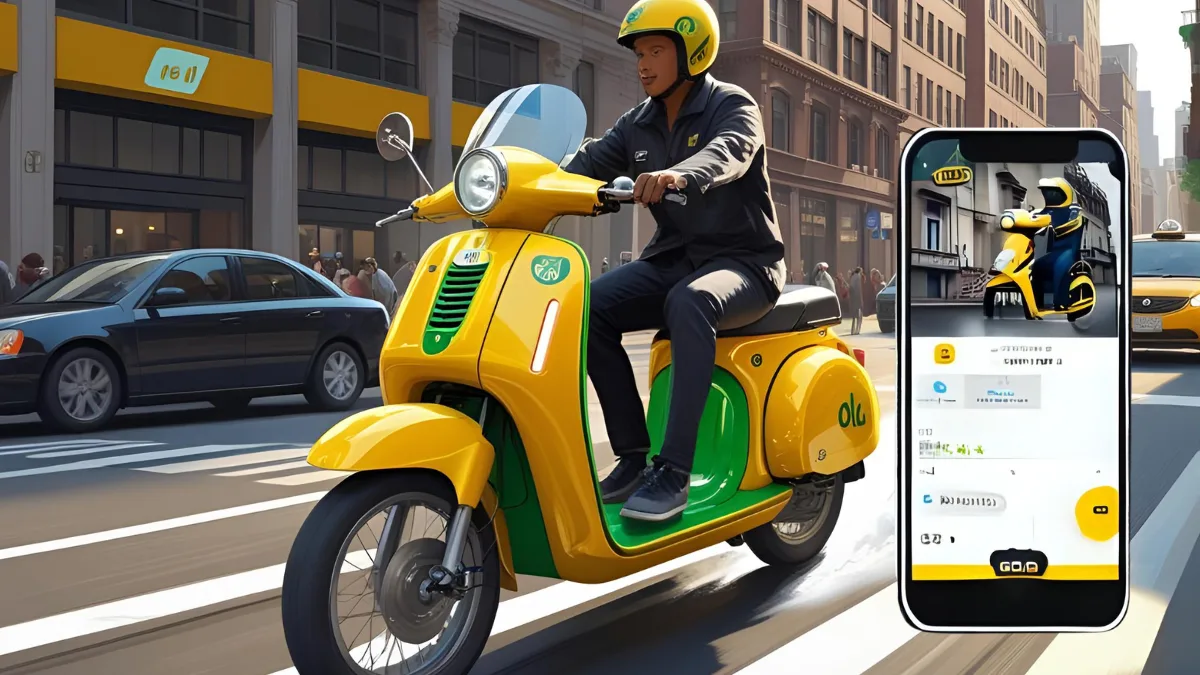
In the ever-evolving world of urban transport, bike taxis have quietly made their mark on Indian roads. With their affordability, speed, and ability to weave through congested streets, they’ve become a go-to choice for solo commuters in cities across the country.
Whether it’s a student rushing to class or an office worker trying to beat the traffic, bike taxis are making everyday travel easier, cheaper and faster.
What Are Bike Taxis and How Do They Work?
Bike taxis are app-based two-wheeler services that allow passengers to book a quick ride through platforms like Rapido, Ola Bike or Uber Moto. The concept is simple. A rider on a motorbike, usually equipped with a spare helmet, picks up the passenger and drops them at their destination.
Unlike traditional taxis or autos, bike taxis are more efficient in navigating narrow lanes and crowded junctions, making them ideal for India’s packed urban environments. Fares are lower, travel time is shorter, and the convenience appeals to both daily commuters and those travelling short distances.
Why Bike Taxis Matter
The success of bike taxis lies in their accessibility and affordability. In cities where traffic jams are a daily ordeal and public transport isn’t always reliable, a bike taxi offers a practical alternative. For the price of a cup of tea, one can often cover several kilometres in less time than a bus or rickshaw.
They are especially useful in connecting metro stations to homes or offices, solving the “last-mile” problem in urban transport. For people living in areas not directly served by buses or trains, bike taxis offer a quick and affordable link.
A New Livelihood for the Masses
Beyond convenience, bike taxis have become a major source of income for thousands across India. Many of the riders are young men, students, part-time workers or individuals who lost their jobs during the pandemic. With a personal bike and a smartphone, they found an opportunity to earn with flexibility and independence.
Unlike traditional employment, bike taxi driving allows people to work when they choose. Some ride full-time to support families, while others do it for a few hours a day to supplement other income. It’s this freedom that makes it so appealing in today’s gig economy.
Many riders also appreciate the human connection. They meet different people every day, hear stories, share small moments, and feel a sense of purpose by helping others reach their destinations.
Rising Tensions with Traditional Transport
As bike taxis have grown in popularity, they’ve also sparked concern among traditional auto-rickshaw and taxi drivers. Many from the older transport systems feel that the sudden rise of two-wheeler taxis has affected their income and disrupted the balance of urban transport.
Their worries are understandable. Auto drivers often go through formal registration, licensing processes and union regulations. In comparison, bike taxi riders seem to operate with fewer restrictions, lower costs, and more flexibility. This uneven playing field has led to frustration and feelings of being left behind.
However, the friction is not just about competition. It also reflects a larger transition in how cities are moving from fixed-route, shared vehicles to on-demand, tech-enabled rides. Finding a middle path that respects both innovation and traditional livelihoods will be key to shaping the future of urban mobility in India.
How Bike Taxis are Shaping Urban Mobility
Bike taxis are not just a transport trend, they represent a shift in how cities are adapting to rising populations, worsening traffic, and changing commuter needs. They fill the gap between cost-heavy taxis and crowded buses, offering a middle path that is fast, flexible and affordable.
Moreover, by reducing the number of four-wheelers on the road for short-distance travel, they help ease congestion and reduce emissions, especially when paired with electric scooters or bikes.
With growing mobile phone usage and increasing comfort with digital payments, the conditions are just right for this mode of transport to flourish.
The Road Ahead
India’s transport future is not just about mega highways and metro trains. It’s also about small, smart solutions that work for everyday people. Bike taxis may seem modest, but they carry big potential for mobility, for employment, and for more liveable cities.
As technology continues to evolve and the demand for low-cost transport grows, bike taxis are well positioned to become an even more important part of urban life.
