



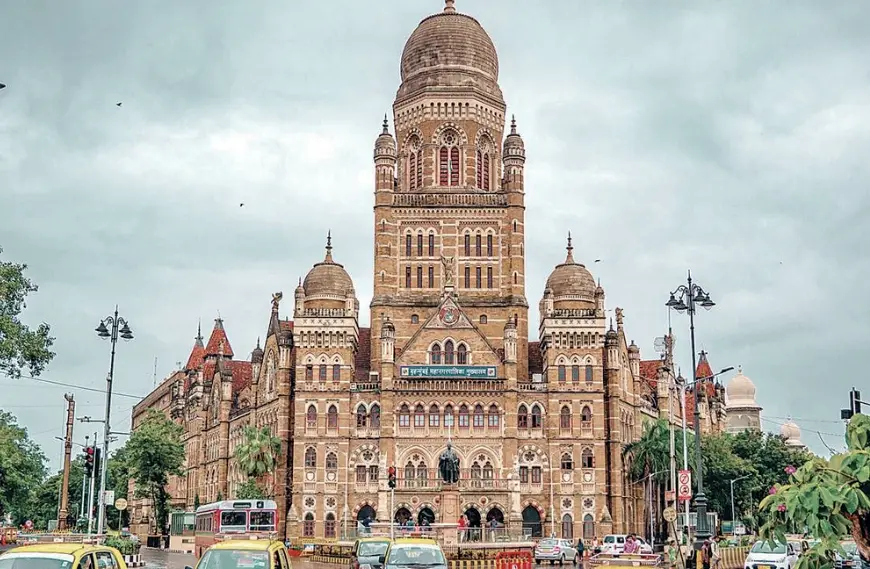
Mumbai’s two busiest arterial roads are set to undergo major repairs after the Brihanmumbai Municipal Corporation (BMC) approved a ₹130 crore project aimed at fixing persistent potholes on the Eastern Express Highway (EEH) and Western Express Highway (WEH).
Tenders for the BMC pothole repair project were issued on Monday afternoon, just hours before the Model Code of Conduct came into force following the State Election Commission’s announcement of civic elections scheduled for 15 January. The timing has drawn attention, but civic officials maintain the work is essential ahead of the next monsoon season.
Both expressways, which serve as critical north–south corridors linking south Mumbai to its suburbs, have been severely affected by potholes and uneven road surfaces, particularly during and after the monsoon. Motorists have repeatedly raised safety concerns, prompting sharp criticism of the civic body earlier this year.
Micro-surfacing to be used for repairs
Under the approved BMC pothole repair plan, road restoration will be carried out using a technique known as micro-surfacing. The process involves milling worn-out layers of asphalt, repairing damaged stretches, and restoring surface uniformity.
Civic officials said the scope of work includes:
- Milling and levelling of rough and damaged road sections
- Repair of long-neglected stretches
- Replacement and adjustment of manhole covers
- Installation of new road signage
- Improvement of pedestrian crossings
- Repair of footpaths and other associated works
The milling process, which scrapes off surface irregularities, is expected to provide immediate relief to commuters until full resurfacing is completed.
Maintenance planned through 2026 monsoon
Importantly, the project also covers road maintenance during the 2026 monsoon season. According to the BMC, contractors will be required to carry out repairs as and when necessary, with maintenance responsibilities extending for up to five years.
Officials explained that temporary pothole-filling measures used during the monsoon, particularly mastic asphalt, often lead to road bulges once the material dries. These bumps later worsen driving conditions, making post-monsoon resurfacing essential.
The need for large-scale intervention grew after the defect liability period for the expressways ended in 2023. That was also the year when the Mumbai Metropolitan Region Development Authority (MMRDA) formally handed over the highways to the BMC.
Since then, the civic body has been responsible for upkeep and has issued annual maintenance tenders for smaller road stretches. Similar tenders were floated last year, and officials have clarified that additional tenders will be issued for other sections in the coming year as well.
However, repeated complaints from motorists and traffic police highlighted that patchwork repairs were no longer sufficient, leading to the approval of the ₹130 crore BMC pothole repair initiative.
Why Eastern Express Highway and Western Express Highway Matter
The Eastern Express Highway, stretching nearly 23 kilometres, connects Sion to Thane and further into the Mumbai Metropolitan Region. It serves key eastern suburbs such as Ghatkopar, Vikhroli, Mulund and Bhandup.
The Western Express Highway, approximately 25 kilometres long, runs from Mahim to Dahisar and is a lifeline for western suburbs including Andheri, Jogeshwari, Goregaon, Borivali, Kandivali and Malad.
Any disruption on these routes directly affects daily commuters, freight movement and emergency services.
Subscribe Deshwale on YouTube
