



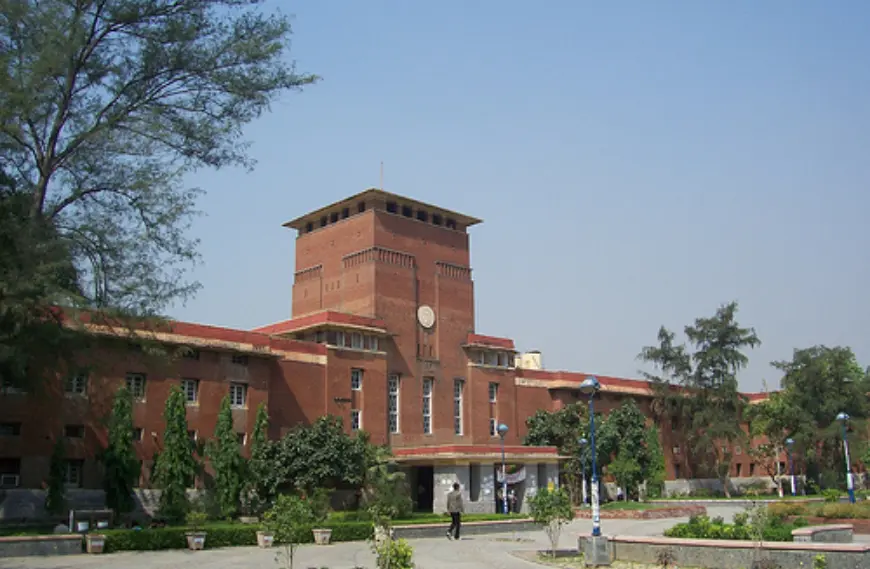
Delhi University’s Students’ Union (DUSU) has long been more than just a student body; it has served as a training ground for some of India’s most prominent political leaders. Over the decades, many DUSU presidents and office-bearers have transitioned from student politics to hold significant ministerial positions at the national level. Leaders like Arun Jaitley and Ajay Maken exemplify how Delhi University has played a crucial role in shaping India’s political landscape.
The early days of political grooming
DUSU elections are not just about campus leadership they are a microcosm of national politics. Student leaders engage in campaigning, public speaking, and policy discussions, gaining early exposure to leadership challenges. Arun Jaitley, who served as DUSU president in the 1970s, utilized this experience to navigate larger political arenas. His time at DUSU gave him a platform to develop negotiation skills, political acumen, and an understanding of public opinion all of which proved invaluable in his later career as Finance Minister and a key strategist for the Bharatiya Janata Party (BJP).
Similarly, Ajay Maken, another DUSU alumnus, went on to hold important positions in the Congress party, including as Union Minister. His involvement in student politics laid the foundation for his ability to mobilize support, understand administrative processes, and engage with constituents effectively. The experiences of these leaders highlight how Delhi University serves as an incubator for political talent.
DUSU elections: A launchpad for leadership
DUSU elections are a rigorous test of leadership. Students are expected to campaign across colleges, address diverse audiences, and handle opposition strategies all while balancing their academic responsibilities. These elections mirror national political contests, with major political parties often supporting student candidates. This direct engagement with party politics gives young leaders practical insights into governance, public policy, and party dynamics.
The union also exposes students to real-world decision-making. From managing student welfare issues to leading protests or organizing events, DUSU leaders gain hands-on experience in administration and negotiation. This practical training is why many alumni successfully transition to state and national politics.
Building networks and political capital
Beyond skills, DUSU provides a unique environment for networking. Leaders interact with politicians, academics, journalists, and social activists. These connections often serve as stepping stones for future political roles. The university setting allows students to experiment, take risks, and build their public profile in a relatively supportive environment.
The enduring legacy
The legacy of DUSU is not limited to individual success stories it reflects the broader role of Delhi University in promoting political engagement and public service. The journey from campus politics to national leadership underscores the importance of early political involvement in shaping India’s governance. By providing a platform for debate, leadership, and activism, DUSU continues to nurture future policymakers who carry forward the values of democracy and public service.
DUSU remains one of India’s most influential political training grounds. Leaders like Arun Jaitley and Ajay Maken are proof that student politics at Delhi University can be a springboard to national leadership, making DUSU an enduring symbol of India’s democratic spirit and political mentorship.
