






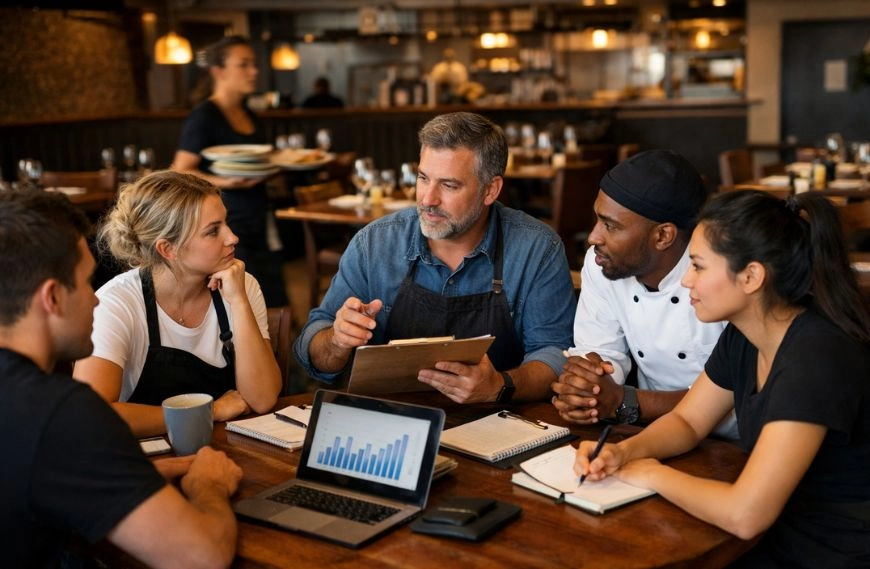
Rising Food Costs and Labor Shortages
By: Prathamesh Amrute
The restaurant industry has always been a delicate balancing act between passion and profitability. Today, however, operators face unprecedented economic challenges that threaten to tip the scales. Rising food costs and persistent labor shortages are reshaping the landscape, forcing restaurateurs to rethink strategies, streamline operations, and innovate in ways that go beyond the kitchen.
Global supply chain disruptions, inflationary pressures, and climate-related events have driven food prices to historic highs. Staples such as grains, dairy, and proteins have seen double-digit increases in recent years, squeezing margins for restaurants that already operate on razor-thin profits.
For independent restaurants, the impact is particularly severe. Unlike large chains, they lack the bargaining power to negotiate bulk discounts with suppliers. Menu engineering becomes critical—owners must decide whether to absorb costs, raise prices, or adjust portion sizes. Each choice carries risks: higher prices may alienate customers, while smaller portions can damage brand reputation.
Some restaurants are turning to local sourcing and seasonal menus to mitigate costs. By building relationships with nearby farmers and suppliers, they reduce transportation expenses and gain flexibility in pricing. Others are leveraging technology, using AI-driven inventory systems to minimize waste and optimize purchasing.
Parallel to rising food costs is the challenge of labor shortages. The pandemic accelerated workforce exits, and many employees have not returned. The industry’s reputation for long hours, modest wages, and high stress has made recruitment increasingly difficult.
Restaurants now compete not only with each other but also with alternative industries offering better pay and work-life balance. High turnover inflates training costs and disrupts service quality, eroding customer trust.
To combat this, forward-thinking operators are investing in employee experience. Competitive wages, flexible schedules, and career development opportunities are becoming standard. Some restaurants are experimenting with profit-sharing models or wellness programs to attract and retain talent. The message is clear: in a labor-constrained market, treating employees as valued partners rather than expendable resources is essential.
The combination of rising food costs and labor shortages creates a double burden. Restaurants must pay more for ingredients while simultaneously raising wages to retain staff. Passing these costs onto customers is not always feasible, especially in price-sensitive markets.
This has led to a wave of operational innovation. Automation and robotics are being introduced to handle repetitive tasks such as food preparation, order taking, and even delivery. While these technologies require upfront investment, they promise long-term savings and consistency. Hybrid models where machines handle routine work and humans focus on creativity and hospitality are emerging as a sustainable solution.
Despite the challenges, opportunities exist for those willing to adapt. Key strategies include:
- Menu optimization: Highlighting high-margin items, reducing complexity, and offering dynamic pricing.
- Technology adoption: Using AI for demand forecasting, digital platforms for reservations, and apps for loyalty programs.
- Diversification: Expanding into catering, delivery, or packaged goods to create new revenue streams.
- Community engagement: Building strong local ties through events, collaborations, and storytelling to foster loyalty beyond price.
The economic challenges facing restaurants are not temporary—they reflect structural shifts in global supply chains and labor markets. Success will depend on resilience, adaptability, and innovation. Restaurants that embrace technology, prioritize employee well-being, and craft menus that balance cost with creativity will be best positioned to thrive. The industry’s future lies in reimagining the restaurant not just as a place to eat, but as a dynamic ecosystem—where food, people, and technology converge to deliver value in new ways. Rising costs and labor shortages may be formidable obstacles, but they also present an opportunity to reinvent the business of dining for a more sustainable and profitable tomorrow
Author Bio: (With a postgraduate degree in Hospitality Management from a leading Toronto based institution, Prathamesh Amrute has cultivated deep expertise in the industry, earning recognition for his ability to blend academic rigor with real world service excellence.)
Subscribe Deshwale on YouTube