









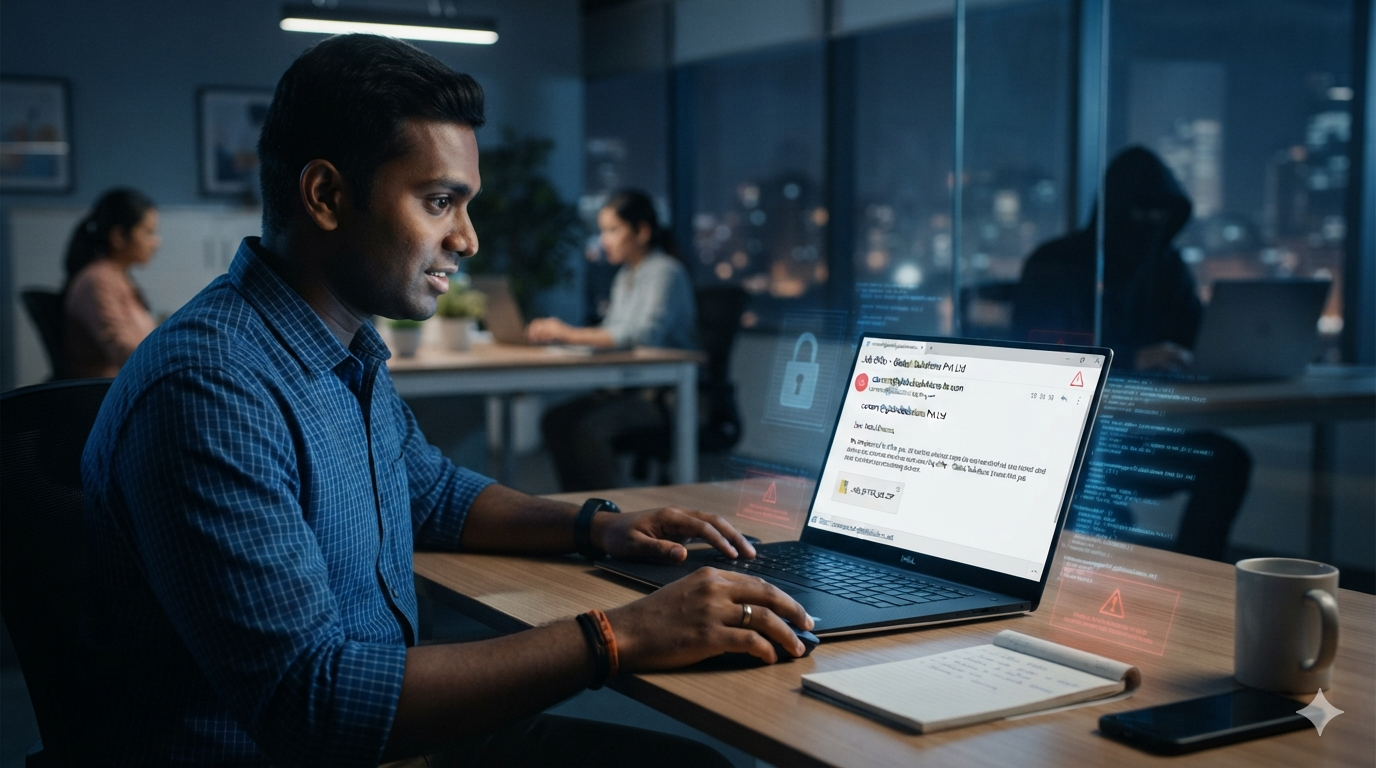
A message lands on WhatsApp. Great salary, visa sponsored, IT company based in Bangkok, interview this week. For someone who has been job hunting for months, it reads like the message they had stopped hoping for.
This is roughly how it started for hundreds of Indians who ended up not in an office in Thailand, but locked inside cybercrime compounds across the Myanmar-Thailand border. In one operation alone, the Indian government flew back 549 citizens rescued from scam centres in Myanmar’s Myawaddy region, most of them from Maharashtra, Gujarat, Punjab, Andhra Pradesh and Uttar Pradesh. Cambodia and Laos have seen similar rescues. The recruiters had promised “Digital Sales and Marketing Executive” roles. What victims actually got was confinement and pressure to run online scams on strangers back home.
That’s the extreme end of a much wider problem, and most fake job scams never go that far. But the everyday version is still dangerous because it can target almost anyone with a resume and an inbox.
Here’s how the ordinary version usually works. A recruiter, real or invented, reaches out with a role that sounds slightly too good and slightly too easy to get. There’s a company name attached, sometimes a government department, and occasionally logos lifted straight from an official website. A document follows soon after: an offer letter, an interview schedule or a form to fill in. Everything is designed to look like the paperwork a real hiring process would produce.
The Document Could Be the Trap
The document itself is often the trap. Security researchers have tracked cases where a seemingly harmless ZIP file, labelled as an “appointment letter” or “interview call letter”, actually contains a script or executable disguised as a PDF.
The moment it’s opened, malware can begin installing quietly in the background. Some attacks work in stages. One file triggers the download of a second, more damaging payload. This can help the attackers avoid detection by security software.
Depending on what gets installed, an attacker can gain remote access to the victim’s device. They may be able to read files, track activity or even operate the machine without the owner noticing anything unusual.
Your Personal Details Can Be Just as Valuable
Even when there’s no malware involved, the damage can still be serious.
A fake application form can collect a person’s full name, phone number, address, education history and copies of identity documents. Victims often share this information willingly because the form looks like a normal part of applying for a job.
That data may not stay with one scammer. Criminals can reuse, sell or combine it with other leaked information. This can make their next scam message even more convincing.
A person who has already shared their education details and identity documents may later receive another message that appears to come from a bank, recruiter or government office. The more information a scammer has, the easier it becomes to make a fake message look real.
Urgency Is a Major Warning Sign
Urgency is often the tell once you know what to look for.
“Only two seats left.”
“Confirm within 24 hours or the offer is withdrawn.”
“Pay a refundable registration fee to lock in your interview slot.”
Genuine recruiters can have deadlines too, but they rarely create panic on purpose. A hiring process that doesn’t give a candidate time to breathe, verify the offer or ask someone for advice should raise questions.
Scammers want people to act before they think. Giving yourself a few minutes to check the offer can make a big difference.
Take Two Minutes to Check the Offer
Most of these scams can be challenged with a few simple checks.
Search the company’s name alongside the job title. Check whether the vacancy actually appears on the company’s official careers page. Look closely at the sender’s email address too. A message claiming to come from a well-known company but arriving from a free or oddly spelled domain is a strong warning sign.
Be especially careful if a recruiter asks you to open a ZIP file, run a script or install software before you have even had a proper interview.
If the job involves relocating abroad, take extra time to verify the employer and the recruitment agent. Some of the worst outcomes in this area have started with an offer letter and a plane ticket that looked completely normal.
Keep Your Devices Updated
There is also a quieter layer of protection that people often overlook.
Keep your phone or laptop’s operating system, browser and security software updated. Updates will not stop a scammer from sending a fake job offer, but they can close security weaknesses that malware may try to exploit.
It is a simple habit, but it can make it harder for malicious software to install itself without your knowledge.
Companies Have a Role Too
The responsibility does not sit entirely with job seekers. Companies also have a role in making recruitment scams harder to pull off.
Recruiters can clearly state on their official websites that they will never ask candidates for certain payments or sensitive documents through unofficial channels. They can also provide clear instructions on how candidates should verify genuine recruitment messages.
When applicants already know what a company’s real recruitment process looks like, they are more likely to question a suspicious message.
A Job Offer Is Still a Message Worth Checking
Not every recruiter is a threat, and most job hunts end exactly the way they should. But an unexpected job offer deserves the same caution as any other unexpected message asking for money, personal information or downloads.
Pause. Check the company. Verify the recruiter. Look at the email address. Do not open suspicious files.
A genuine job can wait five extra minutes to be verified. If an offer cannot wait, that may be the biggest warning sign of all.
Subscribe Deshwale on YouTube


