











By: Prathamesh Amrute
The restaurant business has always thrived on innovation, but in recent years, the pace of change has accelerated. Diners today are more adventurous, health-conscious, and socially aware than ever before. As a result, three major food trends—plant-based menus, fusion cuisine, and hyper-local ingredients—are reshaping the culinary landscape and redefining what it means to deliver a memorable dining experience.
Once considered a niche offering for vegetarians and vegans, plant-based menus have now entered the mainstream. Driven by growing awareness of health benefits, environmental sustainability, and ethical concerns, plant-based dining appeals to a broad demographic.
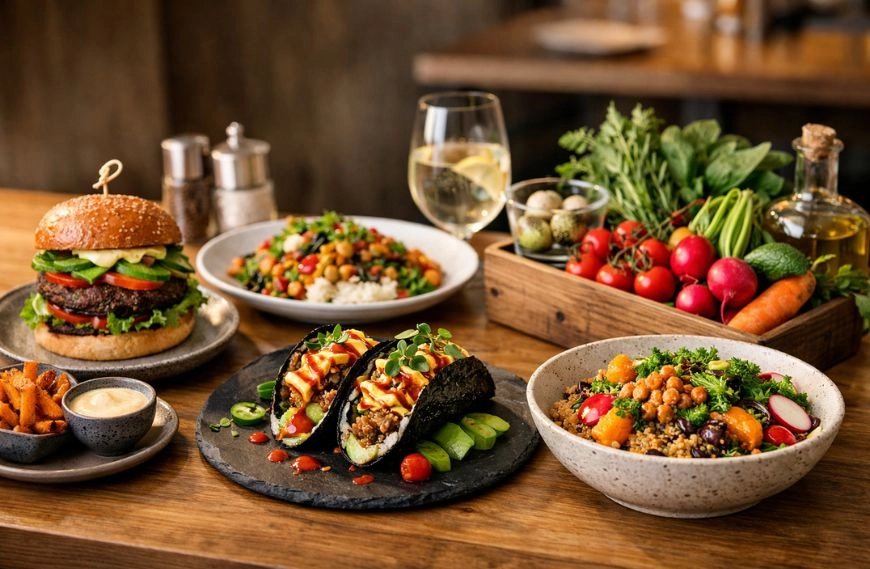
Restaurants are no longer limiting themselves to simple salads or vegetable sides. Instead, chefs are crafting innovative dishes that highlight the versatility of plant-based ingredients. From jackfruit tacos that mimic pulled pork to mushroom-based “steaks” and dairy-free desserts, the creativity is boundless. Even fine-dining establishments are embracing plant-forward menus, recognizing that diners want indulgence without compromise.
For restaurateurs, the business case is clear: plant-based options expand customer reach, reduce food costs in some cases, and align with global sustainability goals. Offering robust plant-based choices is no longer just a gesture of inclusivity—it is a competitive advantage.
Fusion cuisine has long been a playground for chefs, but today it is evolving into a sophisticated art form. Diners are increasingly open to cross-cultural experimentation, and restaurants are responding with bold combinations that surprise and delight.
The modern fusion movement goes beyond simply mixing flavors. It is about storytelling—bringing together culinary traditions to create dishes that reflect global interconnectedness. Think Korean barbecue tacos, Indian-inspired pizzas, or Japanese-Peruvian Nikkei cuisine. These offerings not only excite the palate but also resonate with diners who see food as a cultural bridge.
From a business perspective, fusion cuisine allows restaurants to differentiate themselves in crowded markets. It encourages menu innovation, sparks social media buzz, and attracts adventurous eaters seeking novelty. However, success requires balance. Fusion must respect the integrity of the cuisines it blends, avoiding gimmicks and focusing on authentic flavor harmony.
While globalization fuels fusion, hyper-local sourcing emphasizes authenticity and sustainability. Diners increasingly value transparency about where their food comes from, and restaurants are responding by building relationships with local farmers, artisans, and producers. Hyper-local ingredients go beyond “farm-to-table.” They highlight regional identity, seasonal freshness, and community connection. A restaurant that sources honey from a neighbourhood beekeeper or herbs from its own rooftop garden offers more than food—it offers a story. Diners feel part of something bigger, supporting local economies and reducing environmental impact.
For restaurants, hyper-local sourcing can strengthen brand identity and justify premium pricing. It also fosters resilience by reducing reliance on global supply chains. While challenges such as cost and availability exist, the payoff in customer loyalty and differentiation is significant.
What makes these three trends particularly powerful is their intersection. Imagine a menu that combines plant-based innovation with fusion creativity, all built on hyper-local sourcing. A dish like lentil-based sushi rolls with locally grown vegetables or a jackfruit curry taco featuring herbs from the restaurant’s garden embodies the future of dining.
Restaurants that embrace this intersection position themselves as leaders in culinary innovation. They appeal to health-conscious diners, adventurous foodies, and socially responsible consumers—all while strengthening their bottom line.
The rise of plant-based menus, fusion cuisine, and hyper-local ingredients signals a fundamental shift in the restaurant industry. Food is no longer just sustenance; it is a statement of values, culture, and creativity. Diners want experiences that align with their lifestyles and beliefs, and restaurants that deliver on these expectations will thrive. For restaurateurs, the message is clear: innovation must be holistic. By embracing these trends thoughtfully, restaurants can create menus that are not only delicious but also meaningful—turning every meal into a story worth sharing.
Author Bio: (With a postgraduate degree in Hospitality Management from a leading Toronto based institution, Prathamesh Amrute has cultivated deep expertise in the industry, earning recognition for his ability to blend academic rigor with real-world service excellence.)
Subscribe Deshwale on YouTube


