



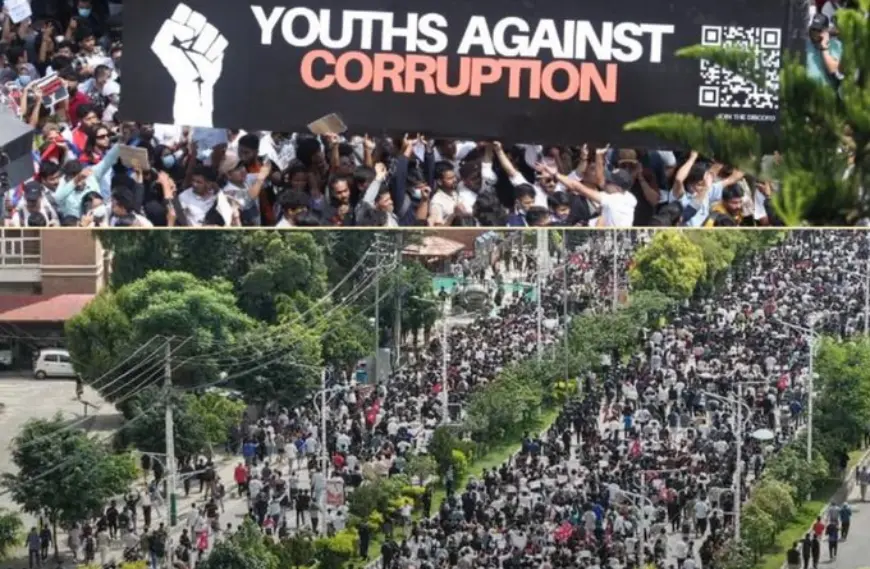
In early September 2025, Nepal witnessed powerful protests led by Generation Z that shook the nation’s political foundations. The uprising was sparked by the government’s sudden ban on over 20 major social media platforms like Facebook, X, YouTube, and Reddit prompting widespread anger and calls for reform. This ban, framed as a regulatory crackdown, came across as a ploy to silence a generation frustrated by corruption and limited economic opportunity.
Digital outrage goes physical
On 8 September, protests erupted in Kathmandu and other cities. Young demonstrators gathered in droves at Maitighar Mandala and the federal parliament area. As security forces responded with tear gas, rubber bullets, and live rounds, violence escalated sharply. Nineteen people lost their lives, and hundreds were injured in what became Nepal’s most intense unrest in decades.
Gen Z demands more than social media
While the social media ban triggered protests, deeper frustrations fueled the movement. Economic stagnation, youth unemployment, unequal opportunities, and entrenched corruption mobilized a tech-savvy generation demanding accountability and transparency. Protesters chanted slogans like “Shut down corruption, not social media” and carried placards decrying nepotism.
Structures in flames, leaders resign
As protests intensified, demonstrators stormed and set fire to Singha Durbar, the main administrative complex and other political institutions. MPs’ residences were attacked. The next day, Prime Minister K.P. Sharma Oli resigned, pledging to act in the nation’s interest amid political turmoil.
Self-reliance meets symbolic flags
Some protesters carried a “Straw Hat Pirates” flag from the manga One Piece, symbolizing rebellion in 2025’s youth movement much like global digital-age protests. It was a testament to how pop culture and global trends shaped the protests.
Military steps in
With unrest escalating, the Nepali Army was deployed. A curfew was imposed across major cities, and soldiers guarded sensitive areas like the airport and government buildings. Although the protests led to political change, the army’s presence underscored the fragile balance between restoring order and avoiding authoritarian overreach.
This Gen Z uprising marked a turning point in Nepalese politics. It demonstrated the power of young, digitally connected citizens to challenge systemic corruption. The protests show that when frustrations reach a boiling point, they can ignite rapid political transformation especially in a nation with a youthful demographic and limited economic mobility
