









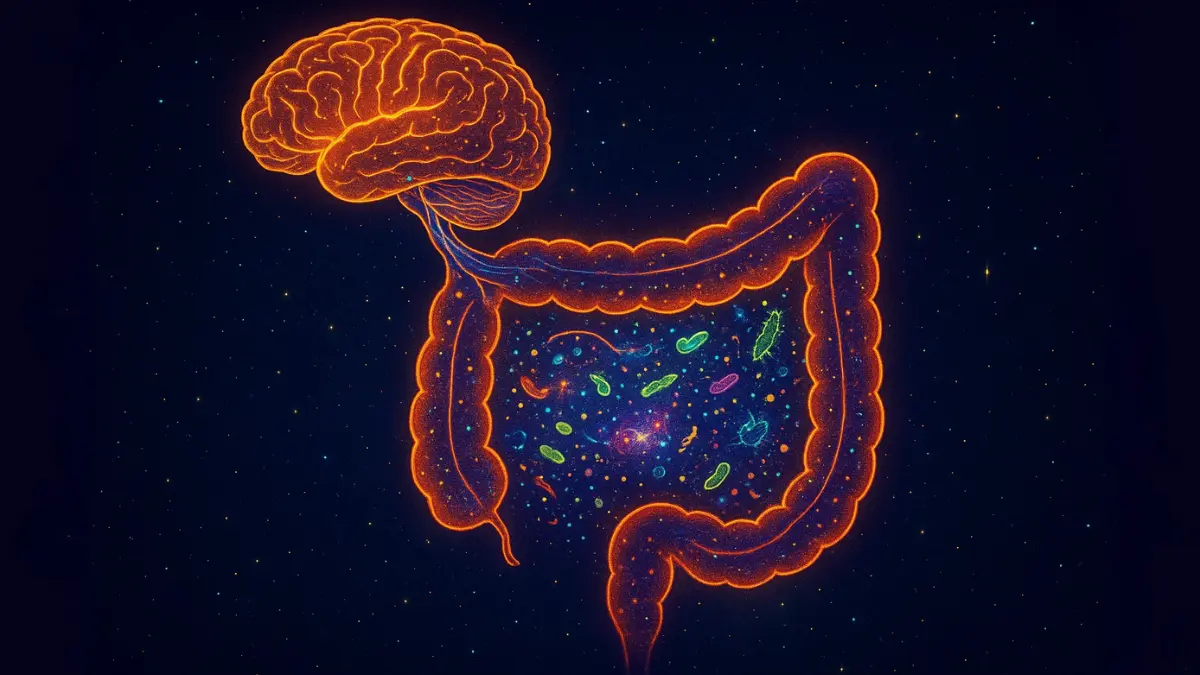
Most people think of the gut as just a food processor. In truth, it is a dynamic system with its own nervous network. This network is called the enteric nervous system or ENS. With over 100 million neurons, scientists often call it the second brain. Yet its power is still underestimated.
The Brain and Gut in Conversation
The gut and brain are in constant contact. Their main link is the vagus nerve. Signals of hunger, fullness, and pain travel through it. Even emotions ride along this highway. Surprisingly, about 90 percent of the messages move from the gut to the brain. Only a small part travels the other way.
That explains phrases like “gut feeling” or “butterflies in the stomach.” These are not just figures of speech. They are real signals from the ENS. They shape mood, influence fear, and even guide choices.
Trillions of Tiny Partners
The gut is home to a thriving community of microbes. Around 30 trillion bacteria live there, together called the gut microbiome. These microbes play vital roles. They break down food, help the immune system, and even create brain chemicals. About 95 percent of the body’s serotonin is made in the gut.
Research shows changes in these microbes can alter health and mood. Problems with diversity in the microbiome are linked to depression, obesity, and autoimmune diseases. A striking study from University College Cork proved this link. When gut bacteria from anxious mice were given to calm mice, the calm ones became anxious. The microbes themselves shaped behaviour.
Gut Links to Memory
The influence of the gut goes beyond mood. In 2016, researchers found that mice with disrupted microbiomes struggled with maze tests. Their brains showed lower levels of BDNF. This protein is vital for forming memory and learning new tasks.
This may explain why people with gut disorders like irritable bowel syndrome often feel brain fog or poor focus. The gut and brain are more connected than most imagine.
The Gut as Immune Guard
The gut is also the largest immune site in the body. About 70 percent of immune cells sit along its lining. They learn to accept good microbes and attack harmful ones. This balance is crucial. If the gut barrier weakens, unwanted particles slip into the blood. This condition, called leaky gut, sparks inflammation. Scientists now connect this process to arthritis, diabetes, and heart disease.
Modern Diets and Stressed Guts
The way we live today puts strain on this system. Processed foods, frequent antibiotics, and chronic stress reduce the diversity of gut microbes. With fewer protective bacteria, the body becomes more open to disease.
Yet there is hope. A diet rich in fibre and fermented foods like yogurt or kimchi helps. Managing stress also supports balance. Small choices each day can rebuild microbial health.
Ancient Clues, Modern Proof
Ancient traditions were not far off the mark. Ayurveda spoke of digestive fire, or agni, as central to health. Centuries ago, Hippocrates claimed all disease begins in the gut. Today, modern science echoes these old ideas. The gut does more than digest. It protects immunity, sharpens memory, and shapes emotion.
Feeding the Second Brain
The gut is not silent. It speaks constantly to the brain, guiding more than just hunger. Listening to it may be the key to lasting health. By feeding it well, supporting its microbes, and keeping stress low, you also nurture your mood, focus, and defences. The second brain deserves as much care as the first.


