







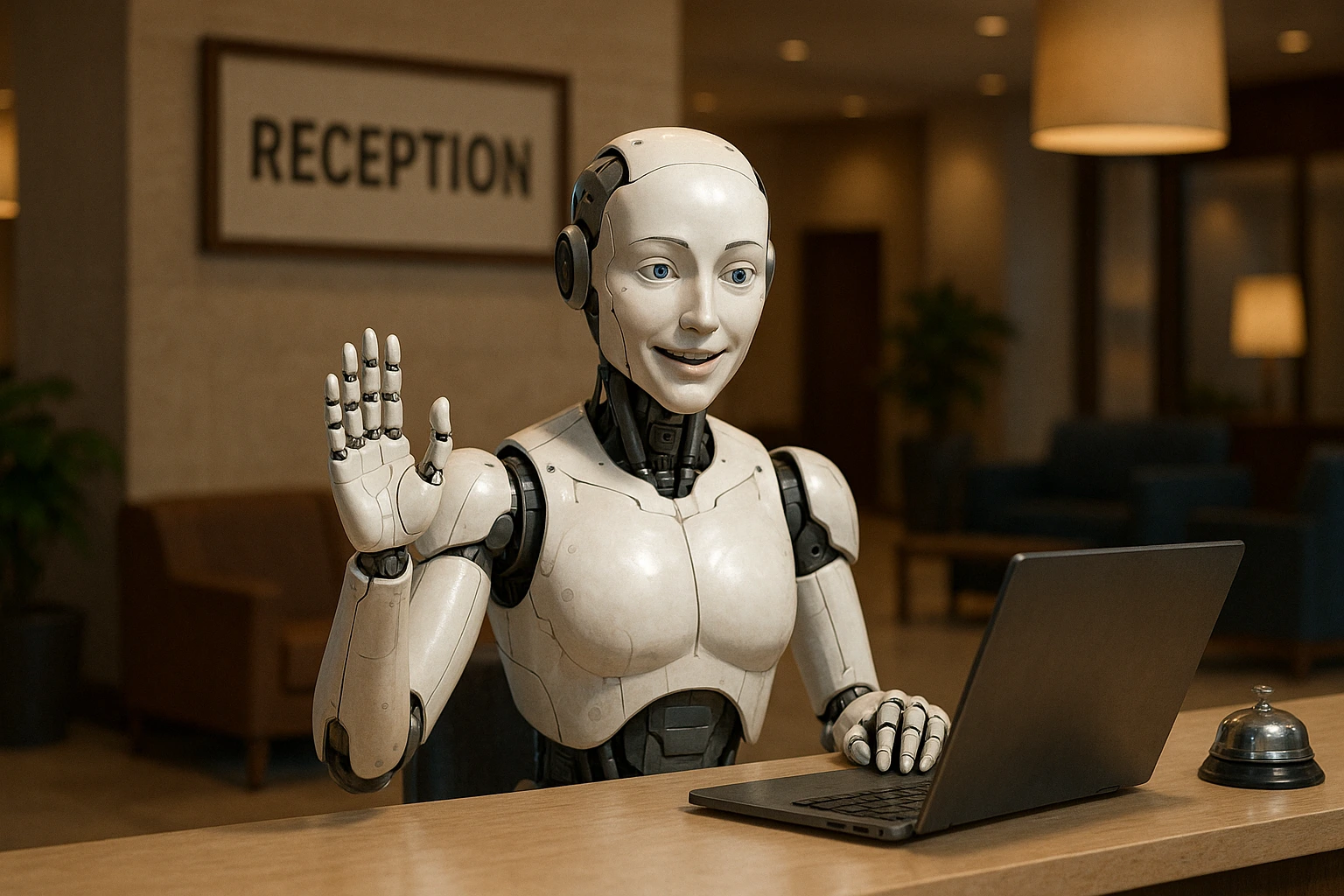
Imagine walking into a hotel and the receptionist is not a person but a robot with eyes, hands and even facial expressions. Sounds like a sci-fi film but this is already happening. Humanoid robots are no longer just a cool idea. They’re real, they’re learning fast and they’re popping up in more places than you’d expect.
So the big question is this. Are they here to help or are they going to replace us?
What Even Are Humanoid Robots?
Let’s start simple. A humanoid robot is a machine that looks and sometimes even acts like a human. It can walk, talk, blink and move its arms. Some can even show emotions like smiling or looking surprised. Think of robots like Sophia, Ameca or Tesla’s Optimus. These aren’t just metal boxes on wheels. They’re built to interact with people the way another person would.
Some are used in customer service, some in hospitals, and others in labs. They can carry stuff, speak many languages and answer your questions without ever taking a break. Sounds helpful, right?
Why Are They Being Built?
Humanoid robots are designed to handle boring, risky or repetitive tasks. Cleaning hospital rooms. Assisting elderly people. Guiding tourists. Doing things humans don’t want to do or can’t do for long. That’s the goal.
They don’t get tired. They don’t ask for holidays. And during a crisis like a pandemic, they don’t fall sick. They also work well in places where there’s a shortage of staff or where it’s risky to send a human.
Cool or Creepy?
Now here’s the twist. As much as this sounds cool, it also makes people feel a bit weird. Why? Because when a robot starts acting too human, it gets into something called the uncanny valley. That’s when a robot looks so real it starts to feel strange.
People start asking things like, can it think like me? Can it replace me? What if it learns too much?
These are fair questions. And right now, the answer is mostly no. Humanoid robots are smart, but they still follow rules written by humans. They don’t have real emotions. They don’t make personal choices. They react based on code and sensors.
But the speed of their learning is impressive. Thanks to AI, many of them are getting better at talking, walking and even reading your mood. That’s why the debate keeps growing. Where do we draw the line?
Are They Taking Our Jobs?
Let’s be real. In some industries, yes. Robots are already handling customer service, warehouse work and even doing basic medical tasks. But that doesn’t mean all human jobs are disappearing.
Experts believe it’s more about changing roles than removing them. As robots take over the repetitive work, humans may shift into roles that require empathy, creativity and decision making. Things machines just can’t copy.
So What Should We Think?
Humanoid robots are part of our future. Whether you’re excited or a bit nervous, one thing’s for sure. They’re not going away. Instead of fearing them, maybe it’s time we understand them better.
Use them wisely. Set boundaries. Make sure they help without replacing the human touch. That’s the key.