



India is quietly building the foundations of what could soon become its next billion-dollar industry battery storage. As the country shifts towards cleaner energy and electric mobility, battery technology is turning into the backbone of this transformation. From big corporations to young startups, everyone seems to be racing to capture a share of this fast-emerging market.
Over the past few years, India’s power needs have changed dramatically. Solar and wind energy projects have grown across the country, but renewable power is only as reliable as the ability to store it. When the sun sets or the wind slows, stored energy becomes crucial to keep homes and industries running. That’s where large-scale battery energy storage systems, known as BESS, come in. These facilities can store excess power and release it when demand spikes bridging the gap between generation and consumption.
The government has also recognised the importance of this technology. Through initiatives like the Production-Linked Incentive (PLI) scheme for advanced chemistry cell batteries, India is trying to attract domestic manufacturing and reduce dependence on imports. The Ministry of Power has already announced plans for massive grid-scale storage projects, with tenders worth thousands of megawatt-hours under discussion. These steps are part of a broader goal to reach 500 gigawatts of renewable energy capacity by 2030.
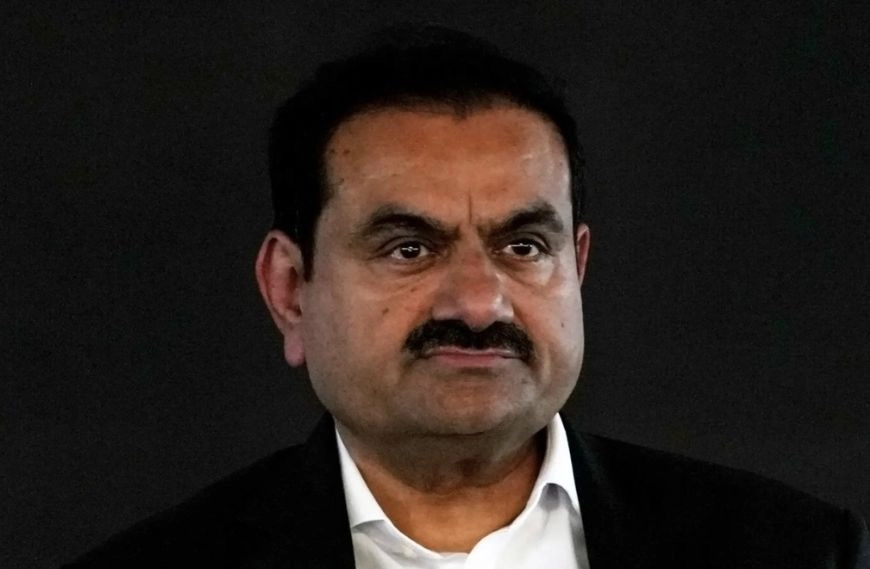
Private companies are playing a major role too. The Adani Group recently announced plans for one of India’s largest battery energy storage systems at Khavda in Gujarat, a region already known for its massive solar park. The project aims to help stabilise renewable power supply and could become a model for similar ventures across the country. Meanwhile, Reliance Industries, Tata Power, and JSW Energy are also investing heavily in battery technology, setting the stage for healthy competition and rapid innovation.
India’s electric vehicle (EV) sector is another key driver of demand. With EV sales rising steadily and the government pushing for local battery production, the need for cost-effective and durable batteries has never been greater. Cities like Bengaluru, Hyderabad, and Pune have become hotspots for EV startups and battery research, while global players are exploring partnerships to set up manufacturing bases in India.
What makes India particularly attractive is its scale and timing. The country’s vast energy demand, combined with its policy push for clean energy, creates an ideal environment for battery storage growth. According to energy analysts, India’s battery market could be worth over $15 billion by the end of this decade. But beyond numbers, it’s also about independence building an energy system that is self-reliant and sustainable.
Of course, challenges remain. Battery costs are still high, and access to raw materials like lithium and nickel is limited. India will need to secure supply chains, invest in recycling, and develop local expertise to make this transition truly successful. Yet, the momentum is clearly building. Every major energy plan, from solar parks to EV charging networks, now includes a battery storage component.
In many ways, battery storage could do for India’s green economy what the mobile phone revolution did for its telecom sector, open up new industries, create jobs, and change the way people live and work. It’s not just a technology trend; it’s a quiet revolution shaping the country’s future energy security.
If the pace continues, India won’t just be a consumer of global battery technology. It could soon emerge as a leading producer and innovator in the sector, powering its own growth and perhaps, one day, exporting clean energy solutions to the world.
Subscribe Deshwale on YouTube
