




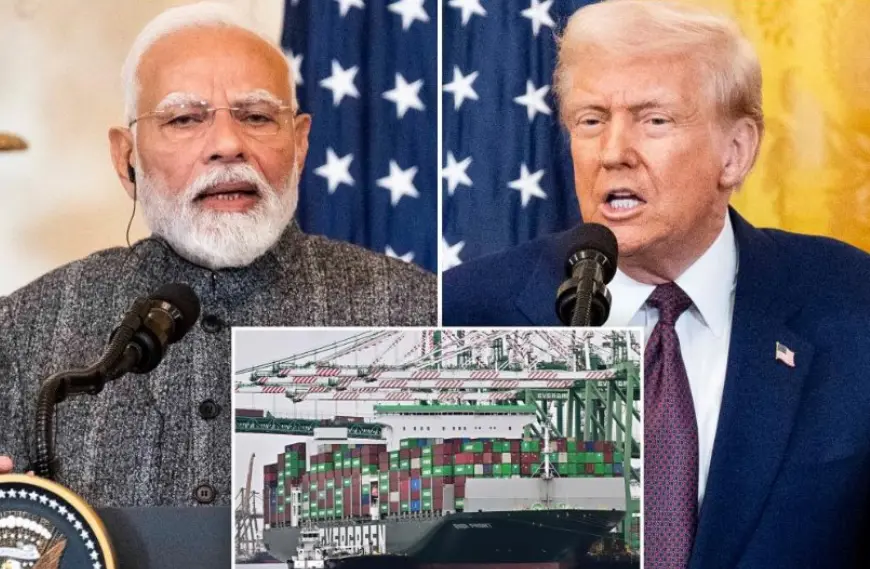
India and the United States have launched a crucial round of trade negotiations, focusing on tariff reductions and improved market access. The three-day discussions aim to strike a balance between protecting domestic industries and expanding trade opportunities for both nations.
India is considering reducing tariffs on $23 billion worth of US imports, covering sectors such as agriculture, chemicals, and industrial goods. In exchange, it seeks to secure protection for $66 billion in exports, including textiles, pharmaceuticals, and automotive products. The negotiations aim to stabilise trade relations and prevent new tariff hikes that could disrupt economic ties.
The United States is pushing for greater access to India’s agricultural sector, particularly in feedstock and cherries. However, India has long maintained high tariffs to safeguard its farmers, making this a sensitive issue in the discussions. While India may agree to limited reductions, it is expected to ensure that domestic protections remain intact.
Despite India’s efforts to reach a favourable deal, uncertainties loom over future US trade policies. With upcoming elections in the United States, a potential new administration could alter trade agreements, impacting the current negotiations. Analysts caution that while India aims to secure a stable framework, past trade disputes and shifting global economic conditions could complicate matters.
Both nations are working towards an agreement that ensures mutual benefits without harming domestic industries. More rounds of negotiations are expected as India and the United States navigate the complexities of global trade in an evolving economic landscape.
