









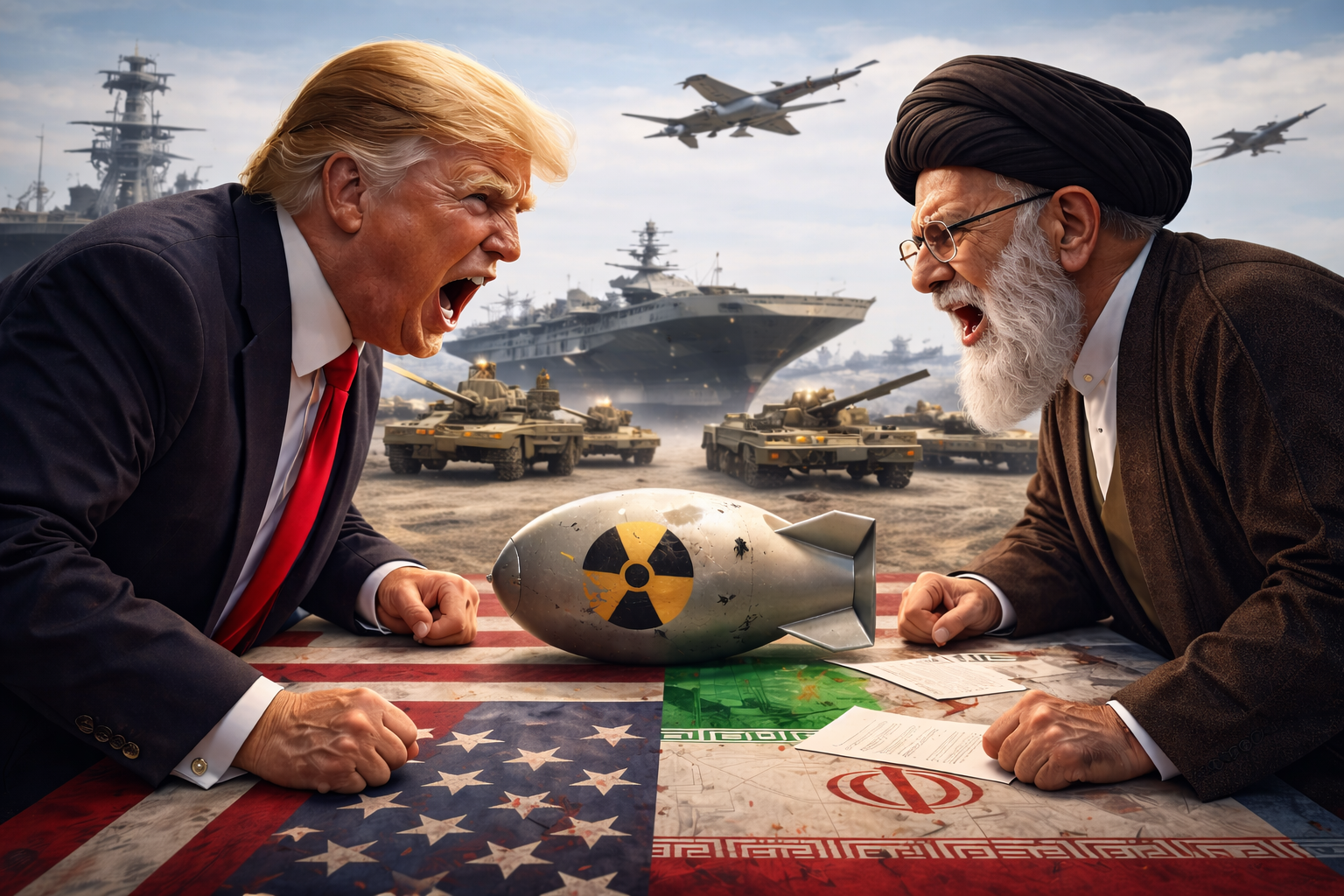
High-level Iran-US nuclear talks over Tehran’s nuclear programme are continuing in Oman, even as tensions remain elevated in the Persian Gulf and the 47th anniversary of Iran’s 1979 Revolution approaches on February 11.
Iranian officials have reiterated that the country will not abandon uranium enrichment, a position that continues to complicate diplomatic efforts. U.S. and Iranian representatives have been holding talks for several rounds, but no breakthrough agreement has been announced so far.
The timing of the Iran-US nuclear talks coincides with a sensitive historical moment in Iran. February 11 marks the anniversary of the overthrow of Shah Mohammed Reza Pahlavi in 1979, when a broad coalition of Shiite clerics, leftist groups, Marxist-leaning factions, and democratic constitutionalists united to topple the monarchy, which had been a key Western and Israeli ally.
Amid the talks, the U.S. government has issued a strong advisory urging American citizens to leave Iran immediately, citing deteriorating security conditions. The advisory warned of potential internet shutdowns, road closures, and travel disruptions, and recommended that U.S. nationals exit Iran via land routes through Turkey or Armenia.
Washington has also significantly increased its military presence in the region. In recent weeks, the United States has deployed the aircraft carrier USS Abraham Lincoln, F-15 fighter jets, an MQ-9 Reaper combat drone, and A-10C Thunderbolt II ground-attack aircraft to the Arabian Sea and its military base in Jordan.
U.S. officials have not publicly stated that these deployments are a prelude to military action. However, analysts widely view the buildup as a form of pressure on Tehran to make concessions in the nuclear negotiations. Iranian leaders, for their part, have warned that any U.S. military strike would trigger a severe response. Adding more intrigue to the atmosphere is the absence of Iran’s Supreme Leader Ayatollah Ali Khamenei from the annual Feb 8 meeting of air force commanders, a meeting attended by him every year since the start of his leadership in 1989.
The convergence of diplomatic talks, military positioning, and the politically charged February 11 anniversary has heightened concerns about potential instability. While both sides remain engaged in negotiations, the gap between their positions on nuclear enrichment and regional security issues remains substantial.
At the same time, discussions within policy circles continue about the broader implications of U.S. strategy toward Iran. Some observers argue that Washington’s approach combines diplomacy with deterrence, while others caution that heightened military posturing risks miscalculation.
For now, international attention remains focused on whether the ongoing talks will yield a diplomatic breakthrough or whether tensions will further escalate in the coming days.
Subscribe Deshwale on YouTube


