



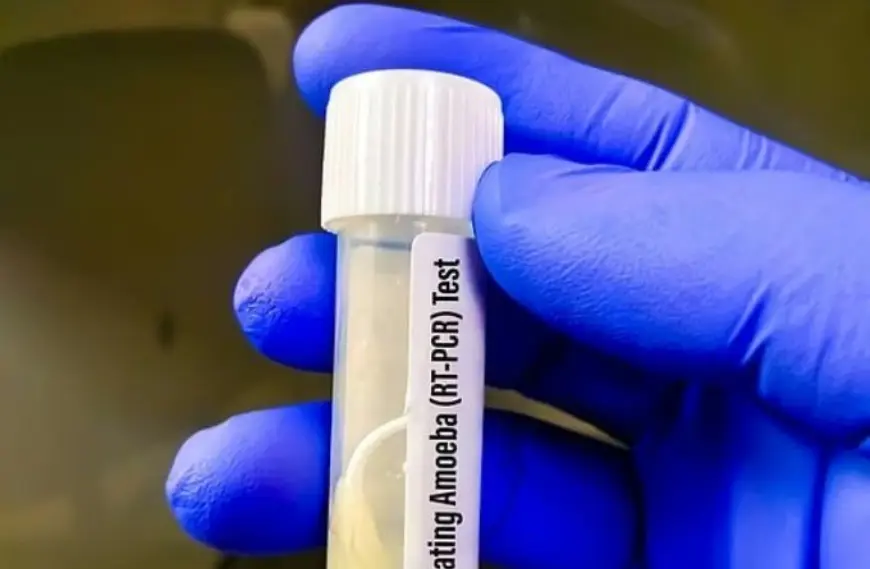
Kerala is witnessing a chilling health crisis this monsoon, an outbreak of fatal brain infections caused by the parasitic organism Naegleria fowleri, commonly called the ‘brain-eating amoeba.’ Disturbingly, several of those affected are children, emphasizing the urgent need for heightened pediatric vigilance and safety measures.
In one of the most tragic recent cases, a nine-year-old girl from Thamarassery in Kozhikode succumbed to amoebic meningoencephalitis after bathing in contaminated water. She was admitted on August 13, transferred to Kozhikode Medical College on August 14, and passed away later that day. Laboratory tests confirmed the presence of the amoeba in her system .
This child’s death marked the fourth such fatality linked to contaminated water in Kerala this year. In another heart-wrenching case, a three-month-old baby from Omassery also lost its life to the same infection, further underscoring how vulnerable the youngest are. Globally, the mortality rate from this infection is startlingly high but Kerala, thankfully, has managed to reduce fatalities through early detection and treatment
As of now, 42 cases have been confirmed across the state, with at least ten suspected deaths, including these young victims. Many of the victims are linked to exposure through common childhood activities swimming or bathing in unsafe freshwater bodies such as ponds, lakes, or inadequately treated wells .
The monsoon season brings cooler air but it also creates ideal breeding grounds for Naegleria fowleri. Warm, stagnant water bodies become hazardous playgrounds for children, where amoebae can thrive and enter the body through the nasal passages during splashing or ritual cleansing .
What can parents and schools do?
- Avoid exposure: Don’t let kids swim or bathe in untreated lakes, ponds, or wells.
- Use safe water: Encourage the use of boiled, bottled, or chlorinated water for nasal rinsing or jala neti traditional practices can become deadly if unsterile water is used
- Educate and warn: Schools must actively teach children about water safety especially as the “Water is Life” campaign rolls out public awareness drives and chlorination efforts
- Watch for symptoms: Early signs include fever, headache, nausea, vomiting, stiff neck, and confusion. Parents should seek immediate medical attention if such symptoms appear after freshwater exposure.
The monsoon in Kerala, while beautiful, has brought an invisible and deadly threat the brain-eating amoeba. With children particularly at risk, concrete steps by parents, schools, and communities are the first line of defence. Informed caution isn’t just advisable, it’s essential.
