



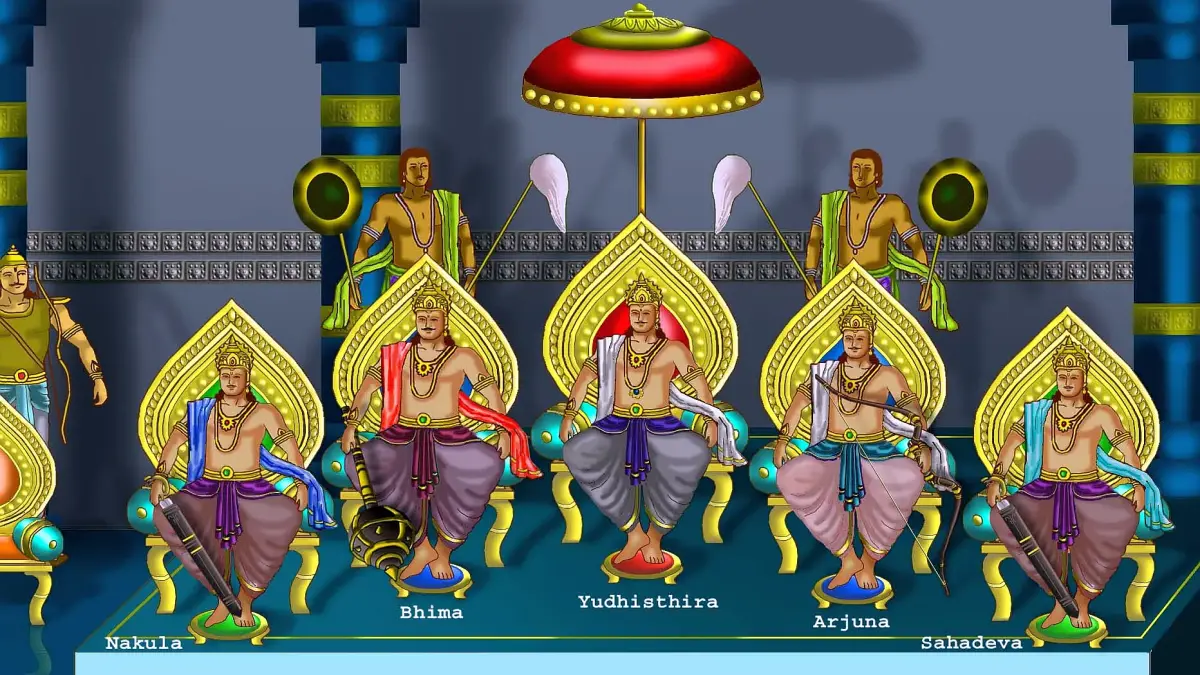
The Mahabharat, India’s timeless epic, weaves tales of duty, conflict, and wisdom that still resonate today. Aamir Khan’s dream to adapt this colossal katha after Sitaare Zameen Par (June 2025) promises a cinematic marvel. Why does this ancient saga matter now? Let’s explore its enduring sachchai and Aamir’s bold vision.
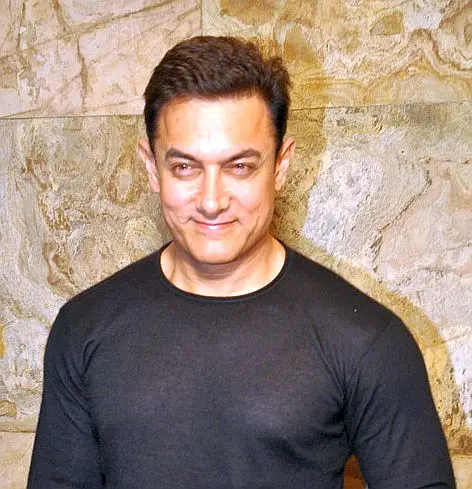
By Kalpana Shah
If you haven’t heard of the Mahabharat, you’re missing a piece of India’s soul. This ancient epic, alongside the Ramayan, is a cornerstone of Indian culture, a sprawling tale of duty, conflict, and wisdom that feels as alive today as it did thousands of years ago. Bollywood icon Aamir Khan recently stirred excitement by announcing his dream to bring the Mahabharat to the big screen after his film Sitaare Zameen Par releases on June 20, 2025. He called it a project so vast that it might be the pinnacle of his career, saying, “It’s my dream to make Mahabharat… I feel like that’s one project which, once I’ve done it, might leave me with the feeling that there’s nothing more I can do after that.” Why does this epic, penned by the sage Vyasa, still grip us? Why does it demand more than a single film? And how could Aamir’s vision, perhaps inspired by global successes like China’s Ne Zha 2, redefine it for a modern audience? Let’s explore why the Mahabharat matters—then, now, and always.
This epic is no ordinary story. It’s a colossal narrative, stretching over 100,000 verses, making it one of the longest poems ever written. At its heart is the clash between two families, the Pandavas and Kauravas, leading to the epic Kurukshetra War. But it’s not just about battles. It’s about dharma—the moral compass guiding life’s toughest choices. It’s about karma—how actions shape destinies. And it’s about human struggles that feel achingly familiar, whether it’s Arjuna’s doubt before battle or Karna’s fight against societal rejection. The Mahabharat doesn’t just tell a story; it holds a mirror to our lives, asking questions about loyalty, justice, and purpose that resonate in boardrooms, homes, and hearts today.
What makes it truly special is its philosophical depth. Nestled within its pages is the Bhagavad Gita, a sacred dialogue where Lord Krishna guides Arjuna through his crisis of conscience. Should he fight his kin? What is right in a world full of grey? These aren’t just ancient musings—they’re questions we wrestle with in modern dilemmas, from ethical business decisions to personal sacrifices. The Gita’s wisdom on duty and detachment speaks to anyone navigating life’s complexities. Beyond the Gita, characters like Draupadi, who demands justice after humiliation, or Bhishma, torn between duty and desire, offer lessons that echo in today’s debates on gender, power, and morality. This timeless sankat—crisis of choice—keeps the Mahabharat relevant, no matter the era.
Aamir Khan understands this vastness. He’s said a single film can’t do justice to the Mahabharat’s layers. And he’s right. With its dozens of characters, intricate subplots, and philosophical weight, squeezing it into two hours would be like trying to fit the ocean into a teacup. Karna’s tragic arc alone—born a warrior but shunned as an outcast—could fill a film. Draupadi’s fierce spirit, challenging patriarchal norms, deserves its own spotlight. Then there’s the Gita, a text so profound it needs careful pacing to avoid rushing its essence. Aamir’s vision, possibly a multi-part series or films with different directors, could let each story breathe. Imagine a film on the Pandavas’ exile, another on the war’s climax, and a third diving into Krishna’s diplomacy. This approach, much like the Lord of the Rings trilogy, could honour the epic’s grandeur while keeping audiences hooked.
Indian cinema has long been enchanted by the Mahabharat. B.R. Chopra’s 1988 TV series, with its 94 episodes, was a cultural phenomenon, bringing families together every Sunday morning. The 2013 Star Plus remake added modern flair, while films like Baahubali borrowed its themes of family feuds and epic stakes. Even regional art forms, like Tamil terukkuttu street theatre, have retold Draupadi’s story with passion. Yet, despite these efforts, the epic’s full potential remains untapped. Earlier adaptations, limited by technology or budget, couldn’t always capture the scale of Kurukshetra’s battles or the depth of its characters. Aamir, known for his meticulous craft in films like Lagaan and Dangal, could change that. His commitment to authenticity suggests a production that respects the epic’s rooh—its soul—while using modern techniques to make it accessible globally.
Could animation be the key? Look at China’s Ne Zha 2, a 2025 blockbuster that earned over $2 billion worldwide. Rooted in Chinese mythology, it wowed audiences with breathtaking visuals and universal themes of rebellion and destiny. The Mahabharat, with its divine weapons, celestial beings, and massive battles, is perfect for animation. Picture the Kurukshetra War in vivid detail—arrows raining down, gods intervening, and warriors clashing in a spectacle that rivals Avengers: Endgame. High-quality animation could make the epic’s fantastical elements leap off the screen, appealing to kids, adults, and international viewers. India’s animation industry is growing, and Aamir’s project could set a global benchmark, much like Ne Zha 2 did for China. If done right, it could be a cultural ambassador, showcasing India’s heritage to the world.
Then there’s the question everyone’s asking: what role will Aamir play? Fans are buzzing with guesses. Some see him as Krishna, the wise and charismatic guide whose words shape the epic’s heart. Others imagine him as Karna, whose pain and pride demand the kind of depth Aamir brought to Taare Zameen Par. Aamir hasn’t confirmed anything, saying only that casting will depend on who fits each role best. But his reputation as a sochne wala actor—thoughtful and deliberate—promises something special. Whether he’s Krishna weaving strategies or Karna battling fate, Aamir’s performance could redefine these characters for a new generation. Even if he only produces, his vision will likely ensure a Mahabharat that feels both timeless and fresh.
The epic’s relevance goes beyond storytelling. Its themes mirror today’s world—family disputes echo corporate rivalries, political intrigues reflect global power plays, and ethical dilemmas challenge us to find our own dharma. The Mahabharat warns against greed and revenge, as seen in the Kauravas’ downfall, while celebrating courage and justice through figures like Arjuna and Draupadi. These lessons aren’t locked in ancient texts; they guide us through modern challenges, from workplace ethics to personal relationships. Aamir’s project could amplify this, making the epic’s wisdom accessible to a global audience. Whether through live-action or animation, he aims to “make every Indian proud,” blending cultural pride with universal appeal.The Mahabharat isn’t just a story—it’s a living legacy. It’s the katha of human struggle, wisdom, and resilience. Aamir Khan’s dream to adapt it, whether as a sprawling series or a dazzling animated saga, could bring this legacy to new heights. It’s a chance to tell India’s greatest tale in a way that resonates across borders, much like Ne Zha 2 did for China or Lord of the Rings did for Western fantasy. As we await Aamir’s vision, the Mahabharat’s timeless sachchai—its truth—reminds us why it matters. It’s not just an epic; it’s a guide to living, loving, and fighting for what’s right, today and always.
