



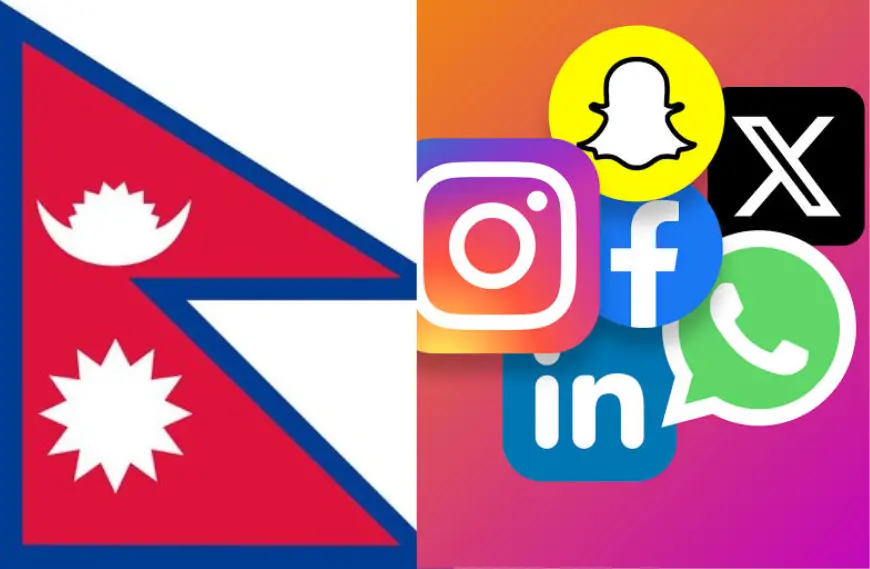
In September 2025, Nepal’s government blocked 26 major social media platforms, including Facebook, YouTube, X (formerly Twitter), Instagram, WhatsApp, LinkedIn, and Reddit. The government said these platforms did not register with the Ministry of Communication and Information Technology by the required deadline. The Supreme Court had previously instructed all social media companies to appoint grievance officers and provide local points of contact.
Reason Behind the Ban
The government stated that the ban was necessary to stop misinformation, hate speech, and online fraud. Officials claimed that fake accounts were spreading harmful content and engaging in scams. By enforcing registration, the government aimed to make social media platforms accountable and reduce misuse.
Criticism and Concerns
The ban faced criticism both inside Nepal and internationally. Critics said it violated freedom of expression and set a worrying precedent for digital censorship. Human rights groups and press freedom advocates warned that the move could suppress dissent and limit citizens’ access to information.
Impact on Businesses and Individuals
The ban affected businesses and individuals who rely on social media for work. Small businesses, in particular, reported disruptions because they could no longer use platforms like Facebook and Instagram to communicate with customers or promote their products. This caused economic challenges for entrepreneurs and freelancers dependent on online platforms.
Youth Protests Across the Country
The social media ban triggered widespread protests, especially among young people. Demonstrators gathered in major cities like Kathmandu, demanding that the government reverse the restrictions. These protests, often organized through the very platforms that were banned, turned confrontational, with police using tear gas and rubber bullets. Several people were injured, and some fatalities were reported, prompting curfews in certain areas.
Balancing Regulation and Freedom
The situation highlights the challenge of regulating digital platforms while protecting civil liberties. Nepal’s government wants to control harmful online content, but the ban has raised questions about freedom of speech and access to information. The protests show that citizens are actively engaged in defending their digital rights.
Nepal is at a crossroads regarding digital governance. The government may need to reconsider its approach to social media regulation while ensuring safety and transparency online. The outcome will likely influence how other countries handle similar issues, balancing security with freedom of expression.
