



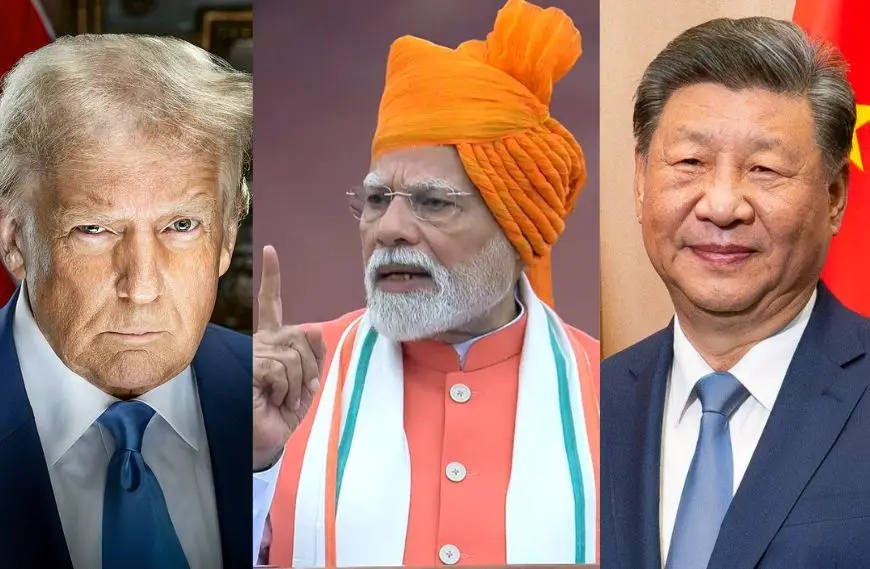
China’s Military Might on Display
In Beijing, President Xi Jinping hosted a massive military parade, joined by Russia’s Vladimir Putin and North Korea’s Kim Jong Un. Tanks rolled, jets soared, and missiles gleamed to mark 80 years since World War II’s end. It’s a flex of China’s power, especially as tensions with the U.S. rise. Xi’s message? China stands strong with its allies. The parade, a rare gathering of these leaders, signals defiance against Western influence. For example, Trump’s recent tariffs have pushed nations like India closer to China. This event isn’t just pomp; it’s a statement. Global watchers are buzzing about what this means for geopolitics. Will it shift alliances? The world’s eyes are on Beijing.
India’s GST Council Tackles Tax Cuts
Over in India, the GST Council met to shake up taxes. They’re eyeing rate cuts to make goods cheaper. The focus is on rationalising rates, especially for essentials like food and medicine. Eight opposition-ruled states, including Punjab and Kerala, pushed hard for relief on everyday items. Why? High prices hit families hard. For instance, a proposed cut on commercial LPG could ease restaurant costs. But here’s the catch: lower taxes mean less revenue. States worry about balancing budgets. The council’s decisions could reshape shopping bills and business costs. Everyone’s waiting to see which items get cheaper. This meeting isn’t just numbers; it’s about helping people afford life’s basics. Keep an eye out for updates.
Trump Stands Firm on India Tariffs
Donald Trump isn’t budging. He’s doubling down on 50% tariffs on Indian imports, citing India’s Russian oil purchases. In a recent statement, Trump called India’s trade “one-sided” and dismissed lowering duties. This hits India hard, especially exporters of diamonds and prawns. India’s response? They’re not caving. Commerce Minister Piyush Goyal insists India won’t bow to pressure. Instead, they’re exploring trade deals elsewhere, like with China. For example, Modi’s recent China visit signals a shift. These tariffs strain U.S.-India ties, once seen as strong. Indian businesses face tough choices now. Will they find new markets? This news roundup shows how global trade games affect local lives.
Maratha Quota Demands Partially Met
In Mumbai, activist Manoj Jarange ended his hunger strike after five intense days. He demanded Maratha community quotas in education and jobs. The Maharashtra government agreed to some points, like linking Marathas to the Kunbi caste for benefits. But not all demands made the cut. Jarange wanted broader reservations, which the state didn’t fully accept. His protests gridlocked Mumbai, with supporters flooding Azad Maidan. The Bombay High Court stepped in, urging calm. For many Marathas, this is a partial win but not enough. They make up 30% of Maharashtra’s population, so their voice matters. The fight for quotas continues, stirring local tensions. This story shows how communities push for fairness.
Jammu and Kashmir Battles Deadly Floods
Heavy rains have turned Jammu and Kashmir into a disaster zone. Floods and landslides killed at least three people, with houses collapsing and roads washing away. Over 1,500 stranded passengers were rescued by special trains from Jammu. Schools shut down, and 54 trains were cancelled. The government’s rushing aid, with teams assessing damage. Prime Minister Modi promised full support. For locals, it’s a nightmare. Families lost homes, and fields are underwater. The rains, linked to extreme weather, show nature’s growing fury. Relief efforts are in full swing, but recovery will take time. This news roundup highlights how communities face nature’s wrath.
Punjab Reels from Widespread Flood Damage
Punjab’s facing a crisis. All 23 districts are now flood-hit, with 30 deaths and 3.5 lakh people affected. Rivers like the Sutlej and Beas overflowed after torrential rains from Himachal Pradesh. Crops are ruined, and villages are cut off. The state’s deployed 23 NDRF teams, 12 Army columns, and 35 helicopters for rescue. Prime Minister Modi assured Chief Minister Bhagwant Mann of central aid. For example, Haryana sent Rs. 5 crore for relief. Experts point to poor drainage and extreme rain as causes. Locals are struggling, with homes and livelihoods gone. This disaster tests Punjab’s resilience, but help is pouring in. Recovery’s the next big challenge.
