



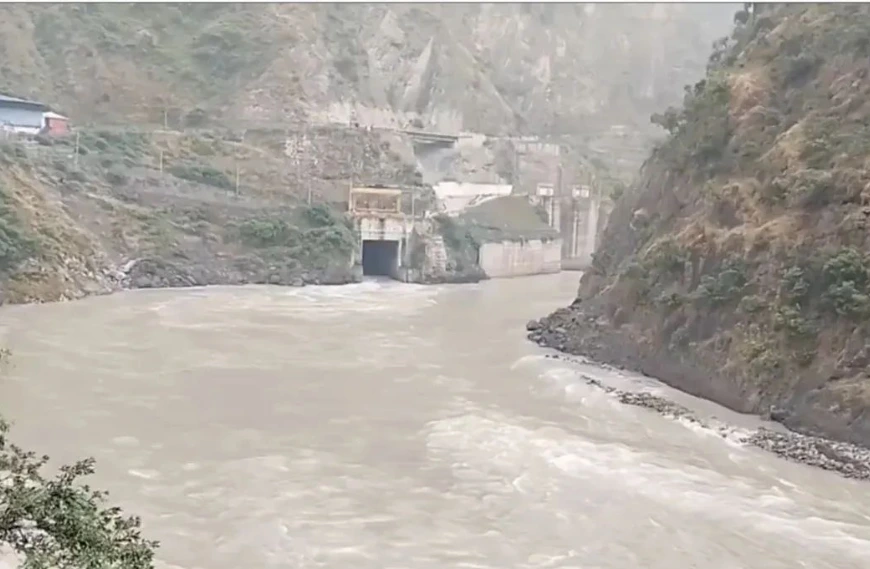
India’s Indus Treaty Freeze Rattles Pakistan; Islamabad Urges Reconsideration
India’s recent decision to suspend the Indus Waters Treaty (IWT) engagement with Pakistan has triggered diplomatic tremors in Islamabad. In a formal letter dated 10 May 2025, Pakistan appealed to India to reconsider its move, citing regional stability and humanitarian concerns.
This follows India’s sharp reaction to the terror attack in Pahalgam, which claimed the lives of several pilgrims and security personnel. India has blamed Pakistan-based groups for the attack, prompting swift political and diplomatic fallout.
Islamabad’s Letter to New Delhi
According to official sources in Pakistan’s Foreign Office, the appeal was sent through diplomatic channels. Islamabad called India’s decision “unilateral and alarming,” urging it to return to the mechanisms agreed under the World Bank-brokered 1960 treaty.
The letter asked India to resume the Permanent Indus Commission (PIC) meetings and maintain the treaty’s dispute-resolution structure. Pakistan claims the decision violates international commitments and threatens water security for millions.
India Paused Talks After Pahalgam Attack
The Indian government suspended the water talks days after the terror strike in Pahalgam, linking its response to Pakistan’s inaction against cross-border terrorism. Officials in Delhi have reiterated that “talks and terror cannot go together.”
India’s Ministry of External Affairs has not issued an official reply to the letter yet, but sources indicate a firm stance. New Delhi has already begun reviewing the legal framework of the treaty.
What is the Indus Waters Treaty?
Signed in 1960 with the help of the World Bank, the Indus Waters Treaty governs the use and distribution of the Indus River and its tributaries. India controls the eastern rivers—Ravi, Beas, and Sutlej—while Pakistan manages the western rivers—Indus, Jhelum, and Chenab.
Despite wars and hostilities, the treaty has survived over six decades. It is considered one of the most successful transboundary water-sharing agreements in the world.
Rising Tensions, Shrinking Trust
This is not the first time India has used the treaty as diplomatic leverage. After the Uri attack in 2016 and Pulwama attack in 2019, India reviewed the IWT and threatened stricter enforcement of its water rights.
Analysts believe the current situation is more serious. India’s decision to halt communication within the treaty framework could lead to long-term disruptions, especially in water-scarce regions of Pakistan.
Islamabad, already reeling from economic and political crises, now faces a looming water insecurity challenge. Meanwhile, India is expected to push forward with pending hydro projects on its side of the rivers.
World Bank’s Role and Next Steps
The World Bank, a key signatory and observer of the treaty, has previously mediated disputes over Indian hydroelectric projects. If tensions escalate, international involvement may be required once again.
As of now, there is no indication that India will soften its stance. Islamabad’s request remains unanswered.
