



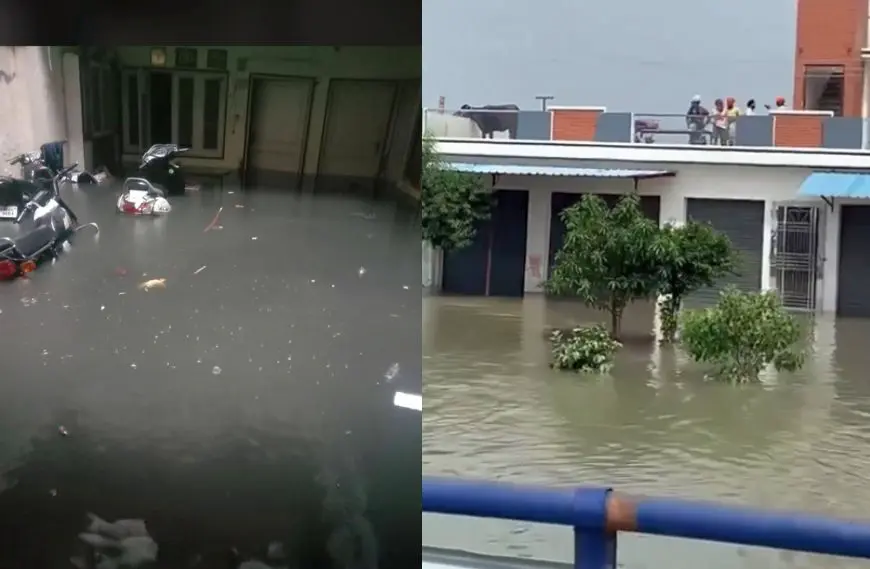
A state under water
The Punjab floods have claimed 29 lives, marking the state’s worst disaster in nearly four decades. Heavy rain in the hills of Himachal Pradesh and Jammu and Kashmir swelled the Ravi, Beas and Sutlej rivers, unleashing widespread damage across 12 districts.
Government figures show that 2.56 lakh people are directly affected, with Gurdaspur district hit the hardest. More than 1.45 lakh residents across 321 villages there are struggling with submerged homes, damaged crops and disrupted livelihoods.
Deaths across districts
The official toll, compiled between 1 August and 1 September, reveals the human cost of the floods. Pathankot alone reported six deaths after the Ravi river overflowed. Hoshiarpur, Amritsar, Ludhiana, Mansa, Rupnagar and Barnala districts each lost three residents. One person each died in Bathinda, Gurdaspur, Patiala, Mohali and Sangrur.
Three people are still missing in Pathankot following sudden flash floods last week. Officials say the deaths include drowning, electrocution and house collapses triggered by floodwaters.
Crops and land under water
The damage to Punjab’s farmlands is equally severe. At a time when farmers should be preparing for the paddy harvest, over 2.32 lakh acres of land lie submerged. Amritsar has seen the greatest hit, with more than 56,000 acres destroyed. Mansa, Kapurthala, Tarn Taran and Ferozepur have also reported large-scale agricultural losses.
Gurdaspur, the worst-affected district in terms of population, has not yet finished surveying crop damage because floodwaters remain high. Officials warn that losses to livestock and rural infrastructure can only be fully assessed once the waters recede.
Villages cut off
Flood bulletins list 1,044 villages across Punjab that remain affected. In Amritsar, 88 villages are under water, while 76 are hit in Ferozepur and 72 in Fazilka. Pathankot alone has 82 affected villages, with more than 15,000 residents displaced. Kapurthala and Hoshiarpur are also reporting extensive flooding in rural areas.
Relief camps have been set up to support survivors. At present, more than 7,000 people are staying in 129 centres across the state. Officials say 15,688 residents have been evacuated so far.
Rescue and relief operations
The Punjab government has mobilised every available agency for rescue work. Along with the State Disaster Response Force, 20 National Disaster Response Force teams and 10 columns of the Indian Army are on the ground. Thirty-five helicopters are also engaged in evacuating people and dropping supplies in remote villages.
The state flood control room in Jalandhar continues to track daily updates on evacuations, crop losses and missing persons. Reports are sent to the revenue commissioner to coordinate relief measures and estimate the financial hit.
For many farmers, the floods have destroyed not just a season’s crop but also their immediate future. Rebuilding rural infrastructure and compensating losses will take months, if not years. Officials admit that the full scale of damage can only be measured once the waters subside.
As Punjab grapples with its worst floods since 1988, the priority remains saving lives and providing relief. But the disaster also raises deeper questions about preparedness, river management and the growing pressure of climate extremes on the state.
