



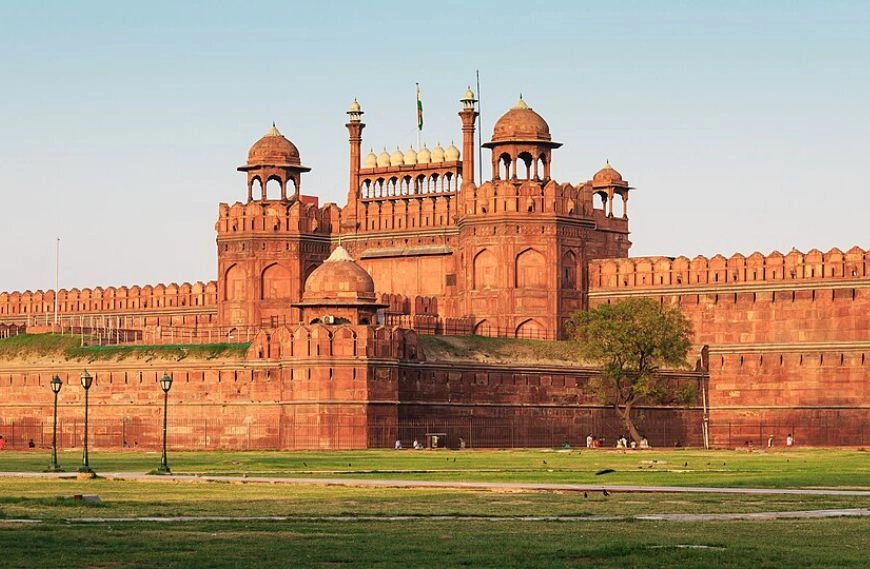
A peaceful evening in Delhi’s historic Old City turned into tragedy on November 10, 2025, when a powerful car bomb exploded near the Red Fort Metro Station at approximately 6:50 PM. The blast, originating from a Hyundai i20 halted at a traffic signal near Gate No. 1, killed at least 13 people and injured over 20 others, according to Delhi Police and the National Investigation Agency (NIA). Eyewitnesses reported a massive fireball that shattered windows, ignited nearby vehicles, and sent shockwaves through the crowded Chandni Chowk area. What initially seemed like a freak accident was quickly confirmed as a deliberate terror attack, with the NIA taking over the probe under the Unlawful Activities (Prevention) Act and Explosives Act.
Investigators traced the explosive-laden vehicle from Faridabad, Haryana, where it had been parked for over three hours near Sunehri Masjid before heading toward central Delhi. CCTV footage captured the car stopping at the metro station signal minutes before detonation, pointing to a possible suicide bombing. Forensic teams identified high-grade explosives, including ammonium nitrate mixed with other destructive components. Just a day earlier, on November 9, joint raids by Haryana and Jammu & Kashmir Police in Faridabad uncovered 350 kg of explosives, assault rifles, and ammunition—materials likely linked to the same network. Officials believe the blast may have detonated prematurely due to intensified police activity, potentially averting a larger strike.
The prime suspect has been identified as Dr. Umar Mohammad (also known as Umar Nabi), a Pulwama-based physician and member of a radical network of medical professionals coordinating via encrypted Telegram channels. He reportedly switched off his phone days before the attack and was the sole occupant of the vehicle. Raids across Kanpur, Faridabad, and Maharashtra have led to the detention of nine individuals, including another doctor tasked with expanding Jaish-e-Mohammed’s (JeM) influence in India, a Pakistan-based terror group now under scrutiny for orchestrating the plot. The involvement of educated professionals highlights how terror recruitment and planning have evolved in the digital age.
While no direct evidence confirms the attack was originally planned for Republic Day on January 26, the symbolic weight of the Red Fort where the Prime Minister delivers the Independence Day address each August suggests the perpetrators aimed to strike at India’s national pride. A larger assault during a major public event could have caused catastrophic loss of life. The incident has exposed vulnerabilities in securing high-traffic heritage zones and prompted nationwide alerts at airports, railways, and landmarks. The Red Fort was closed for three days, and Delhi Chief Minister Rekha Gupta announced ₹10 lakh compensation for victims’ families along with enhanced medical support.
Prime Minister Narendra Modi, speaking from Bhutan, vowed that the conspirators “will not be spared,” while Home Minister Amit Shah assured swift justice. Global leaders, including Canada’s Mark Carney and Japan’s Sanae Takaichi, extended condolences, reflecting international solidarity. Political parties across the spectrum, from the BSP to Congress, condemned the attack and demanded a thorough investigation. As Delhi mourns the lives lost, the incident serves as a stark reminder of persistent terror threats—yet the nation’s unified response underscores a quiet resilience in the face of fear.
Subscribe Deshwale on YouTube
