





Social Media, Influencer Partnerships, and Loyalty Programs
By: Prathamesh Amrute
In today’s hyper-competitive dining landscape, great food alone is no longer enough to guarantee success. Restaurants must actively cultivate visibility, build brand loyalty, and engage customers across multiple channels. Marketing has become as critical as menu design, and the most successful establishments are those that embrace modern strategies—particularly social media, influencer collaborations, and loyalty programs. Together, these tools form a powerful triad that can elevate a restaurant from obscurity to prominence.
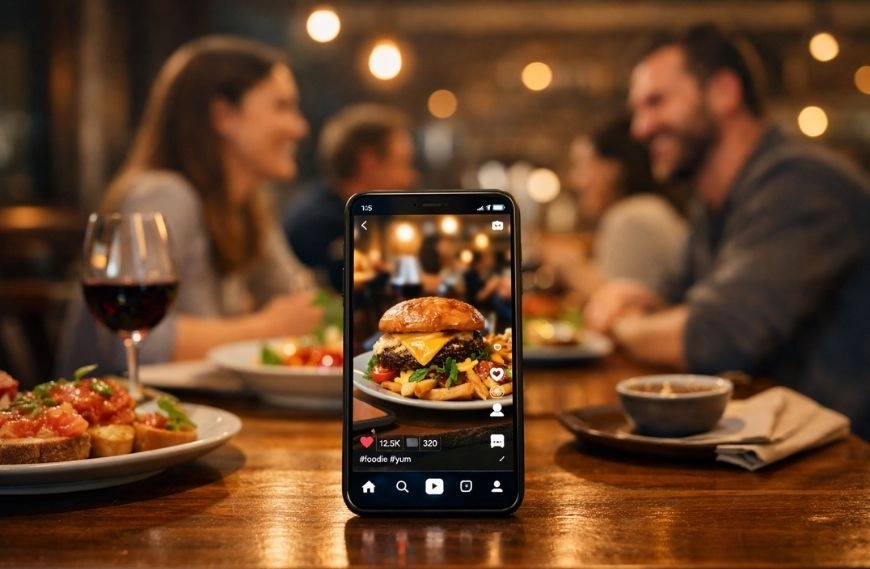
Social media platforms have become the new front door of restaurants. Instagram, TikTok, and Facebook are where customers discover dishes, check reviews, and decide where to dine. High-quality visuals of signature dishes, behind-the-scenes kitchen moments, and interactive content such as polls or live cooking sessions can create a strong brand personality.
Consistency is key. Posting regularly, engaging with comments, and leveraging trending hashtags help restaurants stay top-of-mind. Geo-targeted ads and sponsored posts can further amplify reach, ensuring that promotions hit the right audience. Importantly, social media also serves as a feedback loop—monitoring customer reactions provides insights into preferences and helps refine offerings.
Restaurants that master social media transform casual browsers into loyal patrons, turning digital impressions into real-world footfall.
Influencer marketing has become a cornerstone of restaurant promotion. Collaborating with food bloggers, lifestyle influencers, or local celebrities can generate buzz and credibility. A single post from a trusted influencer showcasing a restaurant’s ambiance or signature dish can drive significant traffic, both online and offline.
The key lies in authenticity. Partnerships should align with the restaurant’s brand identity and target demographic. For example, a fine-dining establishment may benefit from collaborations with luxury lifestyle influencers, while a casual café might resonate better with local student bloggers. Micro-influencers, with smaller but highly engaged audiences, often deliver better ROI than high-profile names.
Beyond posts, influencers can host events, create exclusive menu items, or run giveaways, deepening engagement and fostering community around the brand.
While social media and influencers attract new customers, loyalty programs ensure they keep coming back. Digital loyalty apps, point-based rewards, and exclusive member offers create a sense of value and appreciation. Customers are more likely to return when they feel recognized and rewarded.
Effective programs go beyond discounts. Personalized offers based on dining history, birthday rewards, or early access to new menu items strengthen emotional connections. Data collected through loyalty programs also provides valuable insights into customer behavior, enabling restaurants to tailor promotions and optimize menus.
By combining convenience with exclusivity, loyalty programs transform occasional diners into brand advocates. The true power of these marketing tools lies in integration. Social media campaigns can promote influencer collaborations, while loyalty programs can be advertised through digital platforms. For example, a restaurant might launch a new dish with influencer endorsements, share the buzz on Instagram, and reward loyalty members who try it first. This synergy creates a seamless customer journey—from discovery to engagement to retention. It ensures that marketing efforts are not isolated tactics but part of a cohesive strategy that builds long-term brand equity.
Despite the digital focus, authenticity remains the cornerstone of successful restaurant marketing. Customers are quick to detect inauthentic campaigns or gimmicks. Restaurants that stay true to their brand, engage genuinely with their audience, and deliver consistently great experiences are the ones that thrive.
Marketing strategies must therefore complement—not overshadow—the core of hospitality: great food, warm service, and memorable experiences. Technology and partnerships are tools, but the human touch is what ultimately keeps customers coming back.
As dining habits evolve, marketing will continue to play a decisive role in restaurant success. Emerging trends such as AI-driven personalization, augmented reality menus, and gamified loyalty programs are already reshaping the landscape. Yet, the fundamentals remain unchanged: attract attention, build trust, and foster loyalty. Restaurants that embrace social media, influencer partnerships, and loyalty programs as interconnected pillars of their marketing strategy will not only survive but thrive in the competitive culinary marketplace.
Author Bio: (With a postgraduate degree in Hospitality Management from a leading Toronto based institution, Prathamesh Amrute has cultivated deep expertise in the industry, earning recognition for his ability to blend academic rigor with real world service excellence.)
Subscribe Deshwale on YouTube