






By: Prathamesh Amrute
The Power of a Plate
In the crowded world of hospitality, restaurants and food brands constantly seek ways to stand out. While décor, service, and marketing campaigns all play their part, nothing defines a brand quite like its signature dish. These culinary icons are more than menu items; they are edible ambassadors that encapsulate a brand’s story, values, and promise to customers.
More Than Just Food
A signature dish is not simply the most popular item on the menu. It is a carefully crafted creation that embodies the essence of the brand. Think of McDonald’s Big Mac, KFC’s Original Recipe Chicken, or Nobu’s Black Cod with Miso. Each dish is instantly recognizable, consistently delivered, and deeply tied to the brand’s identity. Customers don’t just order these dishes for taste—they order them for the experience and the assurance of familiarity.
Building Emotional Connection
Signature dishes often become emotional touchpoints. They evoke nostalgia, create rituals, and foster loyalty. For example, the Big Mac is more than a burger; it represents the global consistency of McDonald’s. Whether in Tokyo or Toronto, customers know exactly what to expect. This reliability fosters trust and deepens the emotional bond between the brand and the consumer.
Regional restaurants also utilize signature dishes to establish themselves in the local culture. A New Orleans eatery might be known for its gumbo, while a Mumbai café could be celebrated for its masala chai. These dishes not only attract tourists but also reinforce community pride, making the restaurant inseparable from its cultural context.
Strategic Differentiation
In a competitive market, a signature dish acts as a differentiator. It gives customers a reason to choose one brand over another. Shake Shack’s ShackBurger, for instance, helped the brand carve out a niche in the premium fast-food segment. Similarly, Domino’s pioneered its “Cheese Burst” pizza in India, creating a product that appealed to local tastes while reinforcing its innovative image.
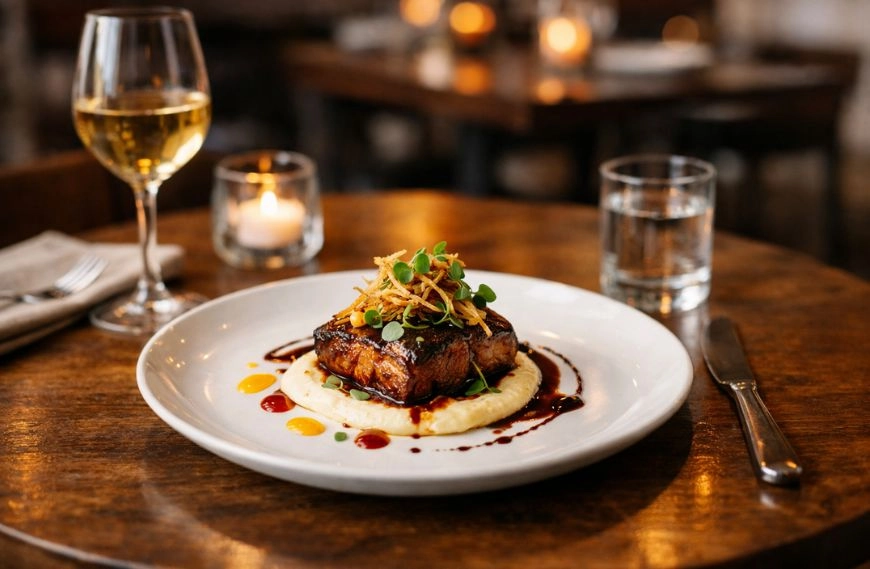
Signature dishes also serve as marketing assets. They are easier to promote, photograph, and share on social media. A visually striking dish can become a viral sensation, amplifying brand visibility far beyond traditional advertising.
Storytelling Through Cuisine
Every signature dish tells a story. KFC’s Original Recipe Chicken is rooted in Colonel Sanders’ secret blend of 11 herbs and spices, a narrative that has become legendary. This storytelling element transforms a dish into a symbol of heritage and authenticity. Customers aren’t just buying fried chicken; they’re buying into a legacy.
Modern brands are increasingly using signature dishes to communicate values such as sustainability or innovation. For example, plant-based restaurants highlight their signature vegan creations to align with eco-conscious consumers. By doing so, they position themselves not just as eateries but as advocates for a lifestyle.
Consistency and Innovation
The challenge for brands lies in balancing consistency with innovation. A signature dish must remain true to its original identity, yet evolve to stay relevant. Starbucks’ Pumpkin Spice Latte exemplifies this balance. Introduced as a seasonal offering, it has become a cultural phenomenon, yet Starbucks continues to innovate around it with variations and complementary products.
Restaurants that fail to maintain the quality or authenticity of their signature dishes risk eroding brand trust. On the other hand, those that successfully adapt their icons to changing tastes demonstrate agility and foresight.
The Dish as a Brand Anchor
In the end, signature dishes are far more than culinary creations. They are strategic assets that build brand identity, foster loyalty, and differentiate businesses in a saturated market. By combining taste, consistency, storytelling, and cultural resonance, these dishes become symbols of what a brand stands for.
For restaurateurs and food entrepreneurs, the lesson is clear: invest in creating and nurturing a signature dish. It may be the single most powerful tool in transforming a restaurant from a place to eat into a brand to remember.
Author Bio: (Prathamesh Amrute has extensive experience in the hospitality management industry. He completed postgraduate studies in Hospitality Management at a prominent college in Toronto, Canada)
Subscribe Deshwale on YouTube