



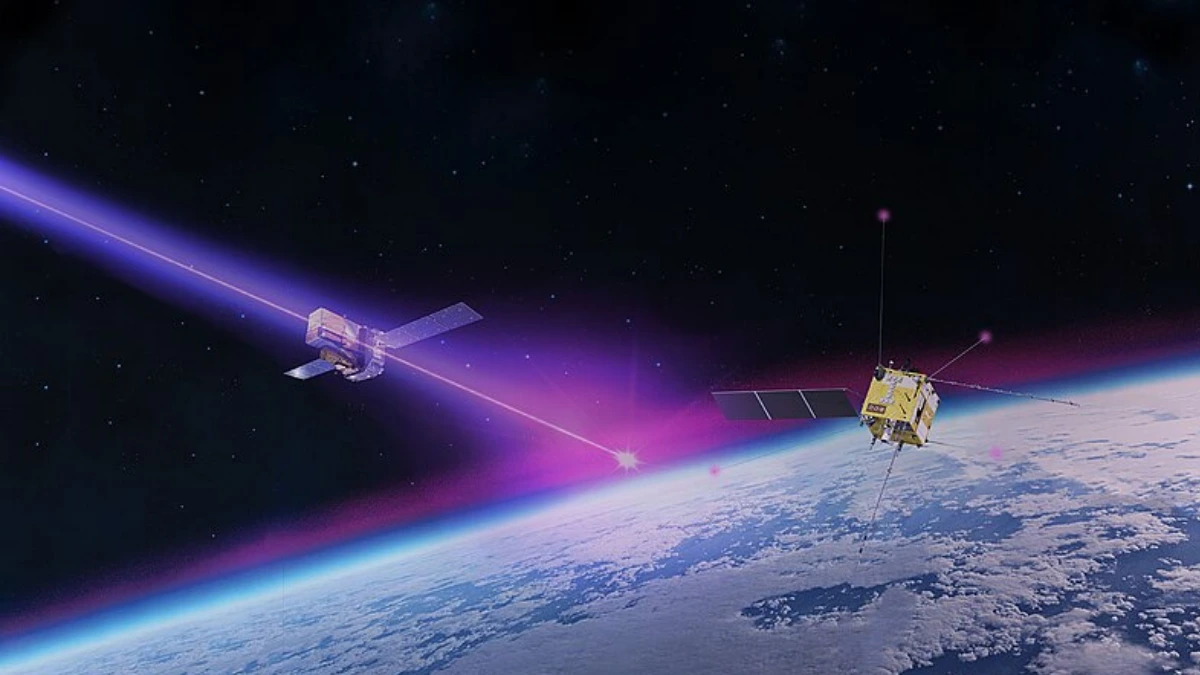
In May 2024, a colossal solar storm did more than just dazzle us with auroras; it gifted Earth with new radiation belts. NASA’s CubeSat mission detected these unexpected particle rings, raising eyebrows in the scientific community.
Solar storms, or coronal mass ejections, hurl charged particles toward Earth. When these particles interact with our planet’s magnetic field, they can form radiation belts, zones of energetic particles trapped by Earth’s magnetosphere. The well known Van Allen belts have been studied since their discovery in 1958. However, the May 2024 event introduced additional belts, a phenomenon not observed in recent times.
These newfound belts could have significant implications for satellites and space missions. Increased radiation levels pose risks to spacecraft electronics and astronaut safety. Understanding these belts is crucial for future space exploration and technology.
The discovery underscores the importance of monitoring space weather. As our reliance on satellite technology grows, so does our vulnerability to solar activities. This event serves as a reminder of the dynamic relationship between Earth and the Sun.
As scientists delve deeper into this discovery, the May 2024 solar storm will be remembered not just for its spectacular light shows but also for reshaping our understanding of Earth’s immediate cosmic environment.
