



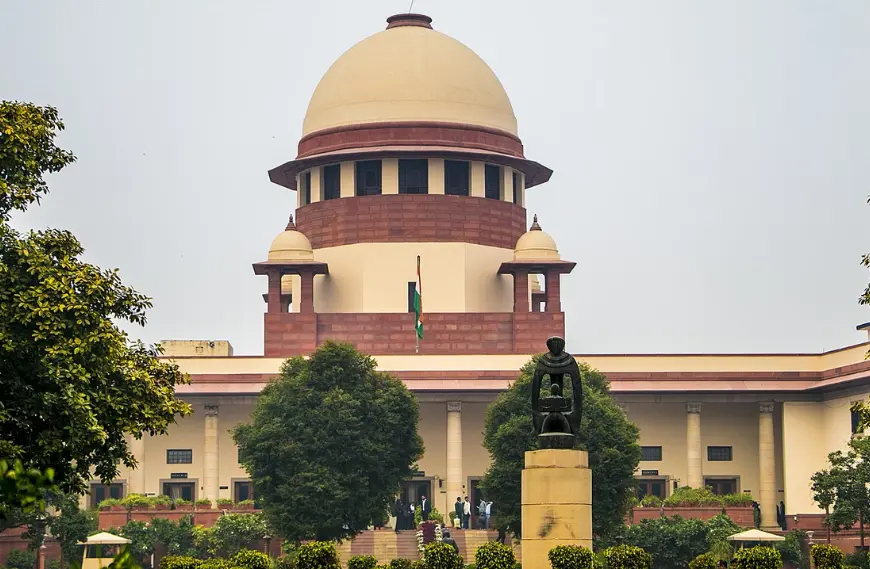
How the Supreme Court has paused key parts of the Waqf Amendment Act to protect due process and rule of law
Supreme court steps in
The Supreme Court of India has recently stepped in to place crucial checks on the Waqf (Amendment) Act, 2025, ensuring that constitutional safeguards are not bypassed in the rush to implement new rules. In an interim order passed on September 14–15, the Court stayed two major provisions of the Act while leaving the rest intact. This means that the entire law has not been suspended, but only those parts that posed serious risks of arbitrary or unchecked power.
The five-year islam practice condition
One of the most debated provisions required anyone creating a waqf to have practised Islam for at least five years. The Court observed that the law offered no clear rules or mechanisms to verify this condition. Without clarity, such a requirement could easily be misused or applied unfairly. Until state governments frame proper rules to guide the process, the Court has paused enforcement of this clause.
Collector’s powers over property disputes
Another key provision gave the Collector, a government officer, the authority to decide whether disputed lands were waqf properties or government property. Based on this determination, the Collector could alter land and revenue records. The Supreme Court found this problematic, stressing that questions of ownership and title must be handled by courts or tribunals, not by administrative officers. By staying this provision, the Court protected the principle of separation of powers.
Protecting rights during pendency
The Court also made it clear that until a tribunal or court delivers a final verdict, waqf properties in dispute cannot be de-recognised, removed from official records, or transferred to third parties. This safeguard ensures that trustees, donors, and community members are not dispossessed or disadvantaged while the case is still under legal review.
What remains unchanged
Not all parts of the Waqf Amendment Act have been paused. Provisions such as the registration of waqf properties, which existed before and remain unchanged, continue to be in force. Some modifications in the composition of waqf boards also stand, with certain restrictions on the number of non-Muslim members allowed.
The Court’s order sends an important message: laws cannot operate without clear rules, fair processes, and judicial oversight. Vague provisions or unchecked executive powers risk violating fundamental rights and creating avenues for misuse. By stepping in, the judiciary has reinforced that rule of law and due process must remain central to governance.
The road ahead
Much now depends on how state governments frame their rules for implementing the Act. The Court’s stay will remain until these rules are in place and until a final constitutional hearing is conducted. This episode serves as a reminder that while Parliament may pass laws, it is the responsibility of both lawmakers and the judiciary to ensure they are fair, transparent, and consistent with constitutional values.
The Supreme Court’s intervention acts as a much-needed guardrail against arbitrary power. By retaining the most problematic sections of the Waqf Amendment Act, it has protected communities from unfair treatment, preserved the separation of powers, and upheld the principles of fairness and due process. In doing so, it has reminded both the government and the public that the Constitution remains the ultimate safeguard of justice.
