









By: Ananth Venkatesh
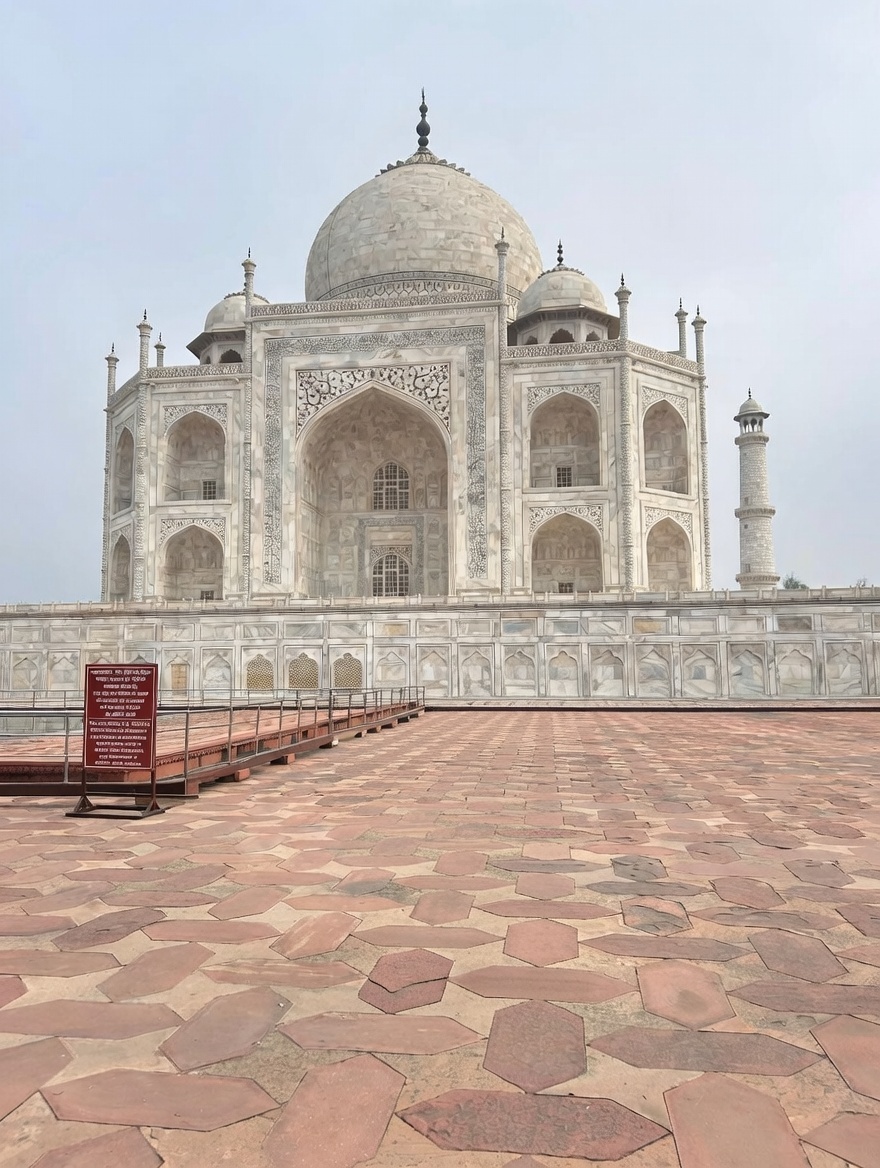
The Taj Mahal has long lived in my imagination as an icon of architectural grace, and when I finally walked through its grand entrance, it did not disappoint. Completed in 1653 under the Mughal emperor Shah Jahan, the monument rises with quiet authority, its white marble glowing softly under the daylight. Recognised globally for its cultural significance, the Taj Mahal was granted UNESCO World Heritage Status in 1983. The symmetry, the intricate inlay work and the sheer balance of the structure make it clear why it remains one of the most admired landmarks in the world.
The premises are largely well maintained. I noticed a good level of cleanliness across the complex. The gardens were neatly manicured, and the landscaping was carefully done. Pathways were trimmed and orderly. On the day of my visit, both domestic and international tourists moved in a disciplined manner. There was crowding, as one would expect at such a famous site, but it was not unruly.
Security arrangements were tight. Every visitor was screened and frisked before entry. Mobile phones and wallets were permitted, but other electronic devices were not allowed inside. Gootkha packets were also prohibited. The checks were firm but professional, and they helped maintain a sense of order within the monument’s premises.
I also observed many tour guides working diligently. Some Indian guides spoke multiple languages, catering to a diverse range of visitors. Their knowledge and storytelling added depth to the experience for those who chose to hire them. At the same time, I reflected on the fact that much of the historical information about the Taj Mahal is readily available online. It should not feel compulsory to hire a guide to understand the monument.
Outside the complex, the situation was less reassuring. Before entering, several individuals approached me insistently, offering guide services. A few suggested that going inside without a guide would lead to confusion. That kind of fear-mongering is unnecessary. Tourists should feel free to explore at their own pace. It would greatly help if the authorities set up official information counters outside the Taj Mahal. Clear maps, audio guides and verified information desks would empower visitors who prefer independence. The current environment outside is not always conducive for those who do not wish to rely on private guides.
Within the premises, the toilets were functional and reasonably clean. Outside the gates, there were eateries and souvenir shops. I did not assess the quality or pricing of the products there, but their presence offers convenience to visitors who wish to rest or shop.
However, stepping beyond the immediate monument zone was jarring. The narrow lanes outside were marked by dirt, chaotic movement and overflowing open drains. The contrast with the pristine marble complex was stark. The road immediately outside the Taj Mahal deserves attention. It should reflect the dignity of the monument. A boulevard-style approach, comparable in neatness to India’s modern expressways, would enhance the overall experience.
Another concern is the polluted aquatic body adjacent to the Taj Mahal. If cleaned and beautified, it could become an additional attraction and a source of tourism revenue. Its current state undermines the grandeur of the monument.
I also noticed a few instances of littering within the premises. Some tourists casually discarded waste. I even spotted gootkha stains in certain corners. These were limited, but they should not exist at all. A monument of such global importance demands collective responsibility.
My visit left me with admiration and reflection in equal measure. The Taj Mahal remains architecturally magnificent and largely well managed within its core zone. Yet the surrounding ecosystem requires urgent improvement. Preserving beauty is not only about marble and gardens. It is about the entire experience, from the first step outside the gate to the final glance back at its timeless dome.
Subscribe Deshwale on YouTube


