








By: Ananth Venkatesh
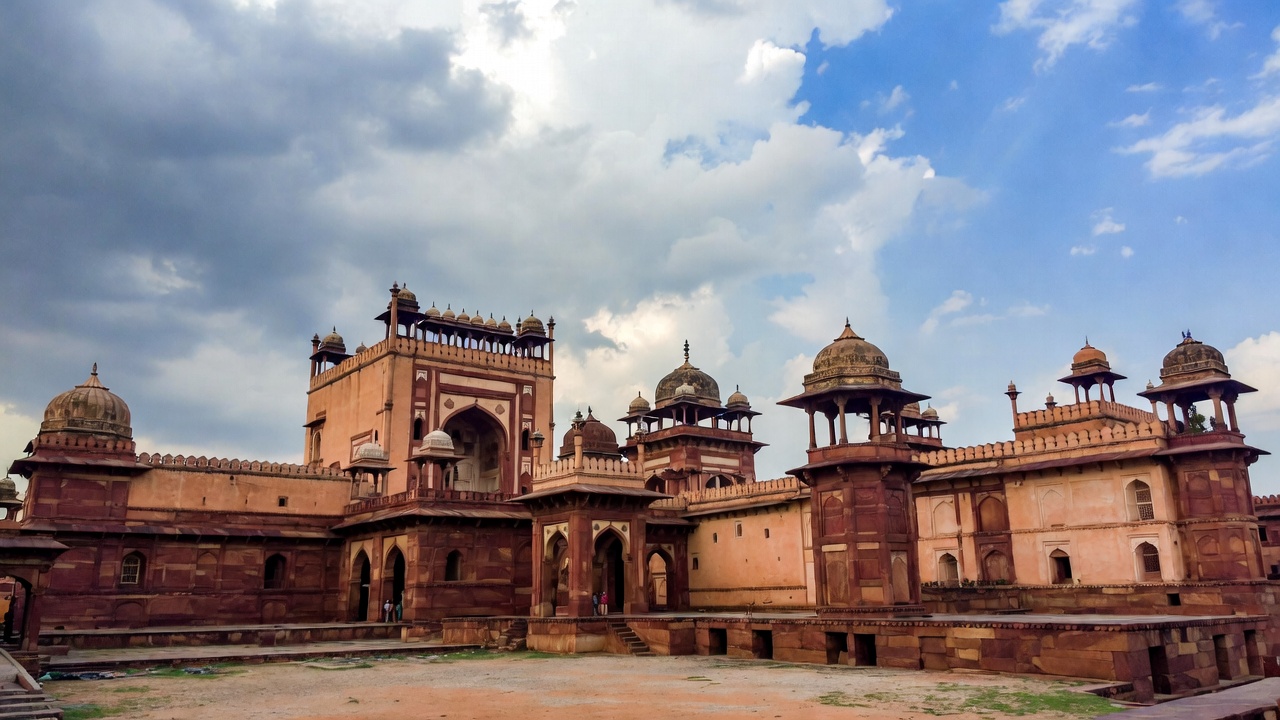
When I visited Fatehpur Sikri, the former Mughal capital built by Emperor Akbar in the sixteenth century, I was immediately struck by its scale and architectural presence. The red sandstone structures rise with quiet authority. They reflect an imperial vision that still commands respect centuries later.
As I walked through the Diwan i Aam, Jodha Bai’s Palace, Buland Darwaza, Anup Talao and Panch Mahal, I felt the historical weight of the place. The layout is vast and carefully planned. Courtyards open into corridors. Pillars frame the skyline. For anyone interested in India’s past, Fatehpur Sikri offers genuine architectural and cultural value.
Basic facilities are available within the complex, though they are modest. I noticed a functional public toilet on the premises. Paid wheelchair services were available for elderly visitors who might find the long walking distances challenging. Considering the size of the monument, this service is necessary and welcome.
Vehicles are parked at a distance from the protected zone. I used the paid buggy service that transports visitors from the parking area to the main entrance. Given the heat and distance, it proved helpful. Outside the entry area, I found several eateries and souvenir shops catering to tourists.
However, the approach road to the fort did not match the grandeur of the monument itself. Given Fatehpur Sikri’s status as a UNESCO World Heritage Site, I felt the run up to the complex could benefit from better planning, landscaping and regulation. A more dignified entrance experience would enhance the overall impression.
One of the most noticeable aspects of my visit was the persistent presence of touts and unregulated sellers within and around the complex. As I explored the site with my family, we were repeatedly approached by individuals offering souvenirs, assistance or guide services. Some interactions were polite. Others were insistent.
For visitors who prefer to explore independently, this constant persuasion can be distracting. I realised how difficult it can be to tour such heritage spaces without engaging a guide, especially when locals strongly encourage you to hire one.
I recognise that many licensed guides provide valuable historical insights. However, distinguishing authorised guides from unverified intermediaries can be confusing. Clear identification systems and stricter monitoring would make it easier for tourists to make informed decisions.
Much of the complex appeared maintained. Yet I noticed litter in certain pockets of the premises. As a heritage site of global importance, Fatehpur Sikri deserves consistently high cleanliness standards.
Visitor management plays a crucial role in shaping the experience. Better regulation of commercial activity inside the complex would allow tourists to appreciate the architecture without repeated interruptions.
Inside the complex stands the Dargah of Salim Chishti, an important spiritual site. My family chose to enter the shrine area, where customary rituals are performed. The atmosphere was reverent and calm. The rituals were conducted respectfully.
However, I experienced some confusion regarding suggested donation amounts. We were presented with options for offerings, but there was no clearly displayed public information explaining that contributions were voluntary. Greater transparency through visible signboards would help visitors feel more comfortable and informed.
Another issue concerned payment for using the toilets inside the premises. I did not see any official signboard stating that a fee was mandatory. Yet an individual outside the facility requested payment after use. When I declined, nothing further happened. Interestingly, no such demand was made of my relatives. If user fees apply, they should be clearly communicated through official signage. Transparent communication reduces uncertainty and builds trust.
Despite these concerns, I left Fatehpur Sikri with deep admiration for its architectural brilliance. The monument itself remains extraordinary. The red sandstone structures continue to narrate the story of Akbar’s ambitious experiment in city building.
The challenges I encountered were largely related to visitor management rather than the heritage structure. With improved regulation of guide services, stricter control of solicitation, better cleanliness oversight and clearer communication around donations and facilities, the visitor experience could match the monument’s historic stature.
My visit reminded me that while history endures in stone, the quality of tourism depends on governance and civic discipline. Fatehpur Sikri has the grandeur. With thoughtful improvements, it can offer an experience that truly reflects its legacy.
Subscribe Deshwale on YouTube


