



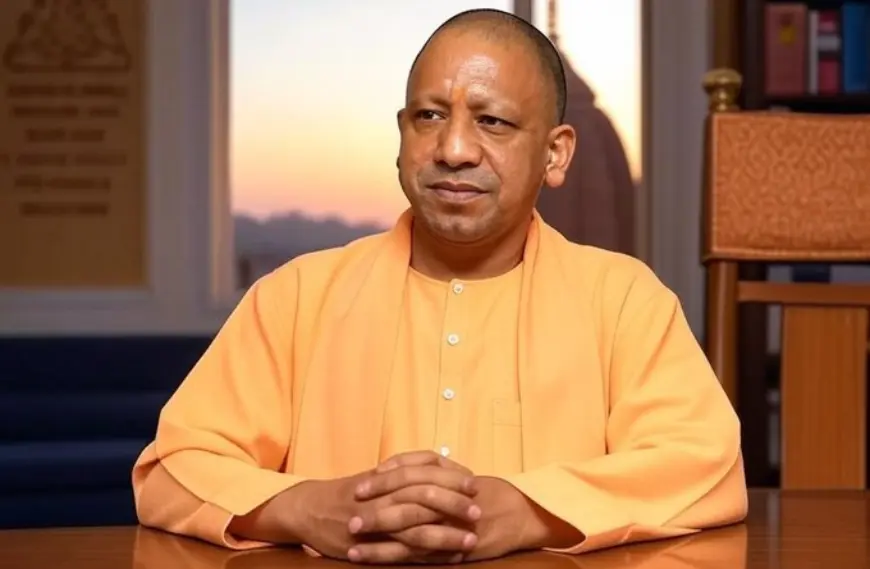
Uttar Pradesh Chief Minister Yogi Adityanath has recently taken a significant step towards humane governance by directing officials to simplify and humanize the process for the premature release of seriously ill, elderly, and disabled prisoners. This initiative reflects a compassionate approach to governance, aiming to provide relief to prisoners who are suffering under difficult circumstances. It highlights the government’s effort to balance justice with empathy, ensuring that those who are physically weak or facing life-threatening illnesses are treated with dignity.
One of the key aspects of this initiative is the simplification of rules. The Chief Minister has emphasized the need to clearly define the conditions under which prisoners can be released early due to serious illness, old age, or disability. The policy is designed to be transparent, fair, and in alignment with Supreme Court guidelines. Eligible prisoners will now be considered automatically for release without having to submit separate applications. This step is expected to reduce unnecessary delays and bureaucratic hurdles, making the process smoother and more efficient for both prison authorities and the inmates.
A statewide survey will also be conducted to identify prisoners who are seriously ill, elderly, or helpless. This survey is a crucial part of the initiative as it ensures that no eligible prisoner is left out. Priority will be given to women and aged convicts to make sure that the most vulnerable prisoners receive attention first. By using a systematic survey, authorities can make data-driven decisions, which will make the release process more fair and organized. This approach also helps the government maintain proper records and ensures accountability in the prison administration.
Another important step in the initiative is the clear definition of illnesses that qualify for early release. The jail manual will specify which diseases are considered incurable or life-threatening. This measure ensures transparency and consistency in the decision-making process and prevents any ambiguity that could lead to confusion or misuse. It will help prison officials make clear and just decisions regarding the release of prisoners, ensuring that humanitarian considerations are applied in the right way.
While this initiative is compassionate, it also takes public safety into account. The policy will not apply to prisoners convicted of serious and heinous crimes such as murder, terrorism, treason, or offenses against women and children. By excluding such convicts, the government ensures that the humanitarian approach does not compromise the safety and security of the general public. This balance between compassion and law enforcement reflects careful planning and responsible governance.
This initiative demonstrates a balanced and thoughtful approach to governance. By prioritizing the health and well-being of vulnerable prisoners, the government is taking a humane step within the justice system. At the same time, adherence to Supreme Court guidelines ensures that the process remains legal, fair, and credible. It also sends a strong message about the importance of human dignity and rights, even for those who are incarcerated.
CM Yogi Adityanath’s directive reflects a compassionate governance model, focusing on the humane treatment of seriously ill, elderly, and disabled prisoners. The initiative ensures they receive fair consideration for early release while maintaining the integrity of the justice system. It sets an example of empathy in law enforcement and administration, showing that the government values both justice and humanity. Such measures could also inspire other states to adopt similar policies for the welfare of prisoners, further promoting humane treatment across the country.
