



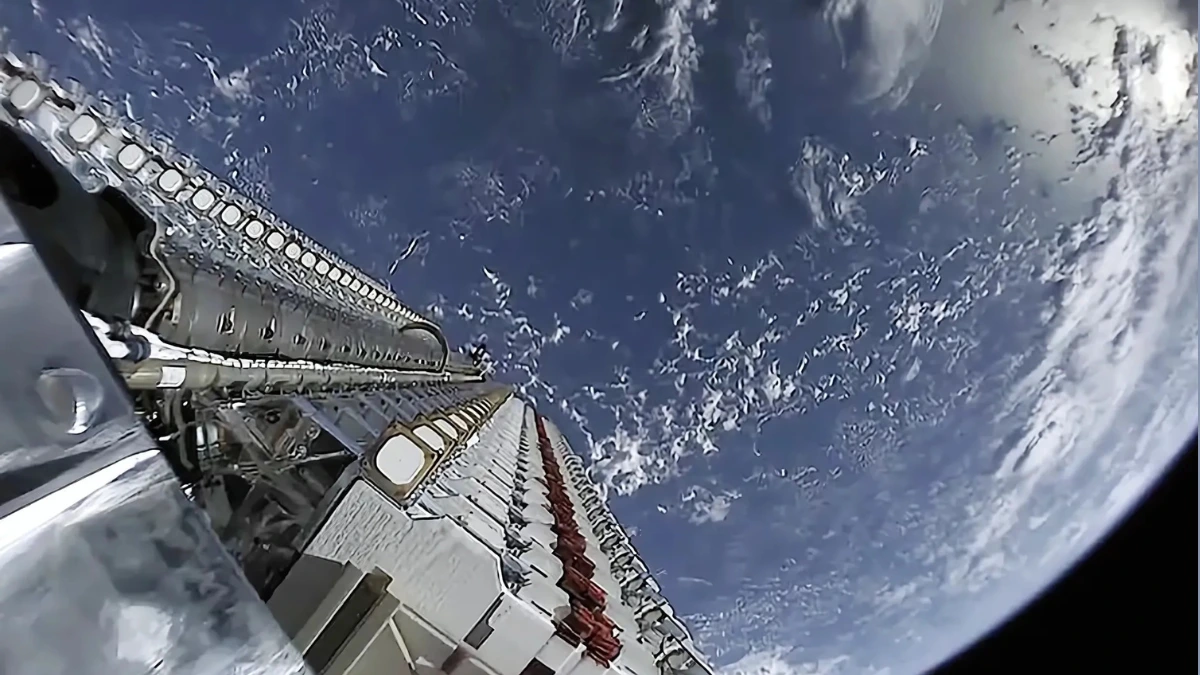
In an unexpected turn, over 120 of SpaceX’s Starlink satellites plummeted back to Earth in January 2025. This surge in re-entries has caught the attention of scientists and environmentalists alike. Astronomers observed an average of four to five Starlink satellites burning up daily, creating bright fireballs in the sky. While visually striking, these events have sparked discussions about the environmental consequences of such frequent re-entries.
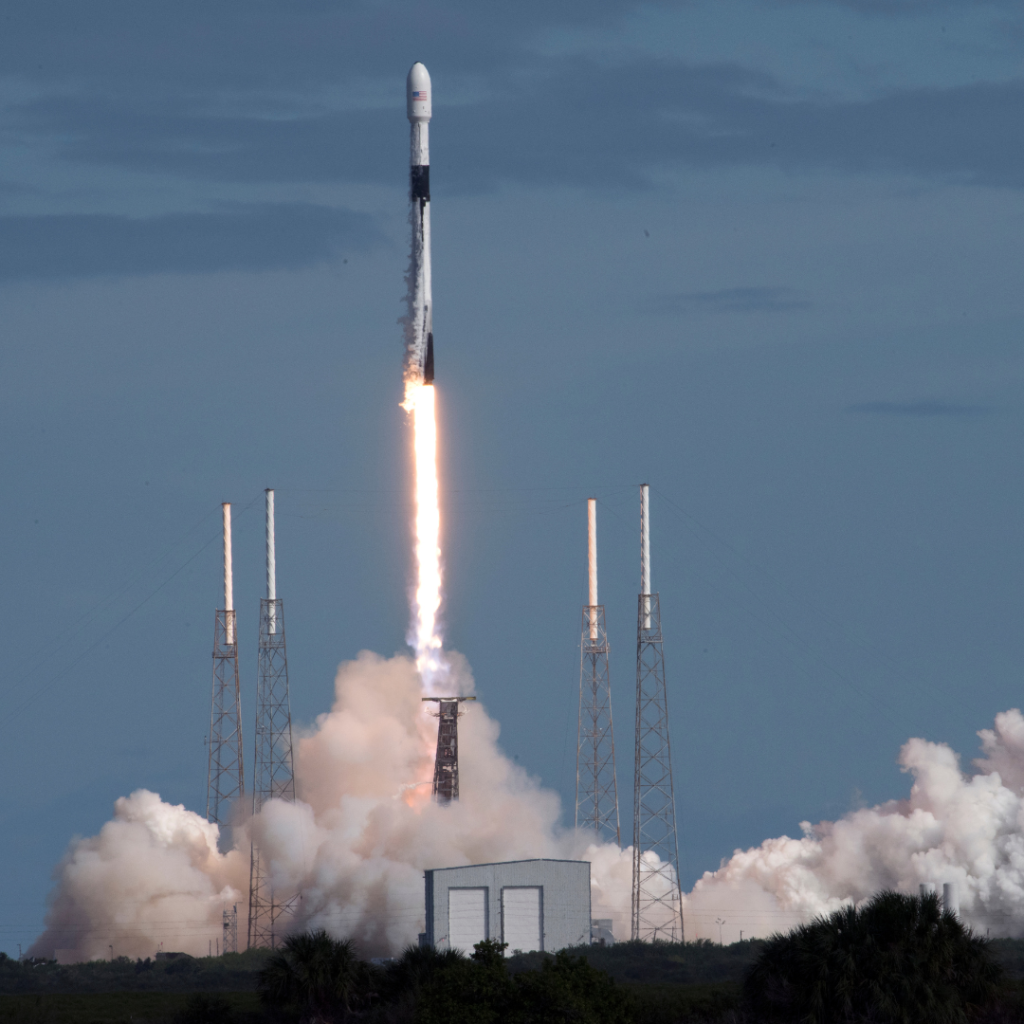
Each disintegrating satellite releases approximately 30 kilograms of aluminium oxide, a compound known to harm the ozone layer. Recent studies indicate a significant increase in metals like aluminium in the atmosphere, raising alarms about potential pollution and its effects on atmospheric chemistry.
SpaceX maintains that its satellites are designed to disintegrate completely upon re-entry, posing no risk to public safety. However, the increasing frequency of these incidents has led to debates about the broader implications of space debris and the long-term sustainability of satellite mega-constellations. As SpaceX continues to expand its Starlink network, balancing technological advancement with environmental responsibility remains a pressing challenge.
