



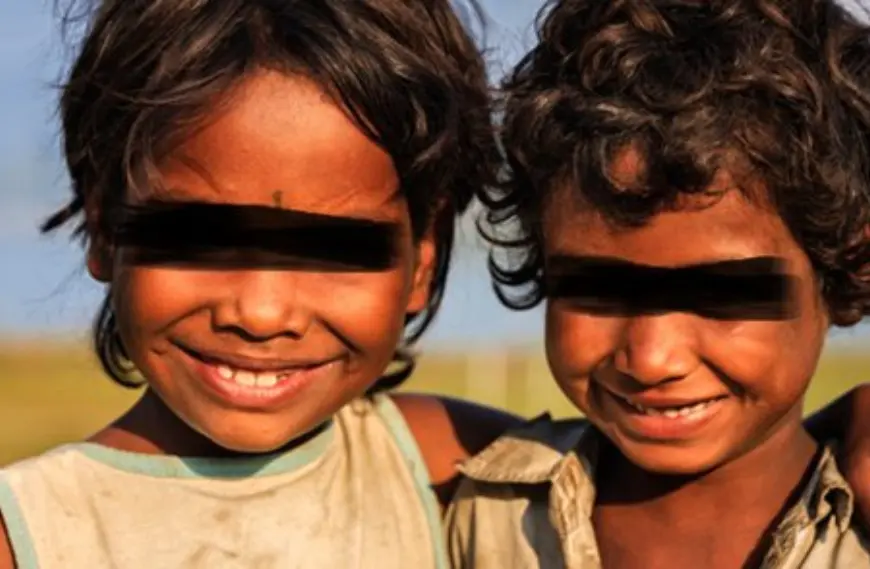
In a groundbreaking move to address the plight of street children, the Maharashtra government has launched an ambitious Mobile Unit Scheme under the Women and Child Development Department. Approved on May 13, 2025, during a cabinet meeting chaired by Chief Minister Devendra Fadnavis, this initiative aims to rehabilitate vulnerable children across 29 municipal corporations, starting with Mumbai, Pune, Thane, Nagpur, and Nashik. With a budget of Rs 8.06 crore, 31 mobile vans will serve as beacons of hope, offering education, healthcare, and counseling to thousands of street children, orphans, and those from socio-economically disadvantaged backgrounds.
The Need for Intervention
Maharashtra, home to bustling metropolises like Mumbai and Pune, also grapples with the harsh reality of street children. A survey by the Tata Institute of Social Sciences (TISS) during the pilot phase (2022-23) revealed a staggering 71,058 street children across six districts, with 37,000 in Mumbai alone. These children, often homeless, orphaned, or forced into begging due to poverty, are denied basic rights to education, healthcare, and safety. Women and Child Development Minister Aditi Tatkare emphasized, “Denying street children their basic rights to education and health is social injustice. The Mobile Squad initiative provides children with access to education, nutrition, medical care, and social security.”
The initiative builds on the success of a pilot project launched under the Centre-sponsored Mission Vatsalya in Mumbai, Mumbai Suburban, Thane, Pune, Nashik, and Nagpur. During the pilot, 12,000 children were reached, and 3,813 received services like medical check-ups, Aadhaar enrollment, and school admissions. The positive outcomes prompted the state to scale up the program, making it a model for child-centric welfare.
How the Mobile Vans Work
The Mobile Unit Scheme deploys 31 child-friendly vans, each staffed with a four-member team: a counselor, a teacher, a female staff member, and a driver/caregiver. These vans, equipped with GPS tracking and CCTV cameras for safety, will operate across 29 municipal corporations, with three allocated to Mumbai due to its high population of street children. The vans function as mobile classrooms, clinics, and counseling centers, bringing services directly to children where they are—on streets, under bridges, or near traffic signals.
Each child undergoes a social investigation, followed by a personalized rehabilitation plan. Services include:
- Education: Enrolling children in anganwadis or schools based on age, with NGOs mandated to ensure 20% monthly school enrollment.
- Healthcare: Medical screenings, vaccinations, nutritional support, and de-addiction counseling for adolescents.
- Counseling: Emotional support for children and parents to address trauma and encourage reintegration into families or childcare institutions.
- Vocational Training: Therapy and skill-building for older children to prepare them for independent lives.
- Government Scheme Access: Facilitating Aadhaar registration and enrollment in welfare programs.
The vans, operated by carefully selected NGOs, also engage parents, addressing root causes like poverty and unemployment that force children onto the streets.
A Proven Model with Promising Results
The pilot project’s success offers a glimpse of the scheme’s potential. In Thane, a mobile bus converted into a classroom-cum-clinic has been operational since February 2023, providing educational and daycare facilities. Parents were initially hesitant, but outreach efforts built trust, allowing sessions to be held near children’s homes. During the pilot, services like school admissions, anganwadi placements, and admission of orphans to children’s homes transformed lives. For instance, 3,813 children received direct support, including medical care and educational motivation, proving the model’s efficacy.
Minister Tatkare described the initiative as “a movement for social change,” highlighting its role in restoring dignity to vulnerable children. The scheme’s expansion to all municipal corporations, with plans to reach municipal councils and pilgrimage sites in the next phase, underscores the government’s commitment to inclusive development.
Challenges and the Road Ahead
While the initiative is a step in the right direction, challenges remain. Posts on X reflect public sentiment, with some users noting that 31 vans may be insufficient for Mumbai’s scale, where thousands of children live on the streets. Others emphasize the need for robust implementation to avoid bureaucratic delays and ensure credible NGOs are involved. Follow-up mechanisms to sustain school attendance and address discrimination in educational institutions are also critical.
Moreover, tackling systemic issues like poverty and lack of housing is essential to prevent children from returning to the streets. As one X user pointed out, “The parental counseling part is most important. Unless we address root causes like unemployment, the problem will persist.”
A Vision for Transformation
Maharashtra’s Mobile Unit Scheme is more than a welfare program—it’s a lifeline for street children, offering them a chance at education, health, and a brighter future. By bringing services to their doorstep, the initiative humanizes welfare, ensuring no child is left behind. As the vans roll out across Mumbai, Pune, Thane, Nagpur, and Nashik, they carry the promise of transforming lives and inspiring other states to follow suit. With sustained effort and community support, this scheme could redefine child welfare in India, proving that every child, no matter their circumstances, deserves a chance to thrive.
