



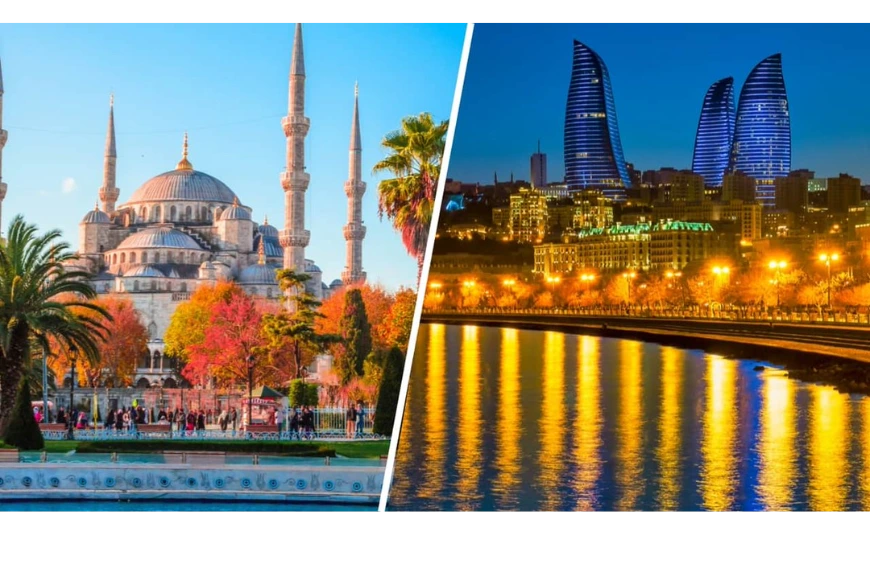
A boycott campaign targeting Turkey and Azerbaijan has unexpectedly triggered a fierce rivalry among Indian travel booking platforms. What started as a political sentiment has now turned into a branding battlefield online.
What Sparked the Boycott?
On 7 May 2024, several travel influencers and content creators launched an online movement. They urged Indian travellers to avoid visiting Turkey and Azerbaijan. Their reason: both countries were seen as pro-Pakistan during the Israel-Hamas conflict and have often made anti-India remarks on Kashmir.
The boycott posts gained massive traction. Hashtags like #BoycottTurkey and #BoycottAzerbaijan went viral across platforms. Soon, travel forums were flooded with users discussing alternate destinations.
ixigo Takes a Bold Stand
Amid this wave, ixigo moved quickly. On 8 May 2024, it disabled all search results for flights and hotels related to Turkey and Azerbaijan. A search for Istanbul or Baku returned a clear message: “We stand with India. No listings available.”
The move went viral. Many praised the platform’s nationalistic stand. ixigo’s message was seen as bold and timely. It also helped the brand stand out in a crowded market.
Cleartrip Strikes Back
Not to be left behind, Cleartrip, owned by Flipkart, jumped into the mix. On 9 May 2024, it rolled out an ad campaign poking fun at ixigo. The ad hinted at a “filtered view” of the world, suggesting censorship over user choice. The campaign emphasised “freedom to explore”.
This cheeky jab sparked debate. Some applauded Cleartrip’s wit. Others accused it of ignoring public sentiment.
Social Media Turns into a Battlefield
Soon, social media became the frontline for this unexpected turf war. Influencers and travellers began choosing sides. Some backed ixigo’s nationalist stance. Others supported Cleartrip’s user-first policy.
The conflict also drew attention from industry insiders. Many questioned if travel portals should take political positions. Others saw it as a smart branding strategy during a volatile time.
Other Players Remain Silent
Major platforms like MakeMyTrip and Yatra stayed silent. Neither issued statements nor altered listings. Their neutral stance drew less attention but avoided controversy.
Smaller platforms like EaseMyTrip, known for earlier boycotts of Chinese companies, observed the developments without making fresh moves.
Business or Belief?
Experts say these moves aren’t just about politics. They reflect how brands are now forced to align with public sentiment. In the era of digital nationalism, silence is also a statement.
Analysts point out that such campaigns may not affect booking volumes drastically but can boost brand recall and engagement.
What Do Travellers Think?
Many Indian travellers appear divided. Some fully support the boycott and welcome ixigo’s move. Others believe travel should remain apolitical. A few even worry this trend could limit access to global destinations.
Yet, one thing is clear: travel is no longer just about logistics. It is now tangled with politics, perception, and platform wars.
This unique conflict shows how nationalism, social media, and digital platforms now interact. What began as a foreign policy issue has turned into a domestic brand war — with no signs of cooling off soon.
